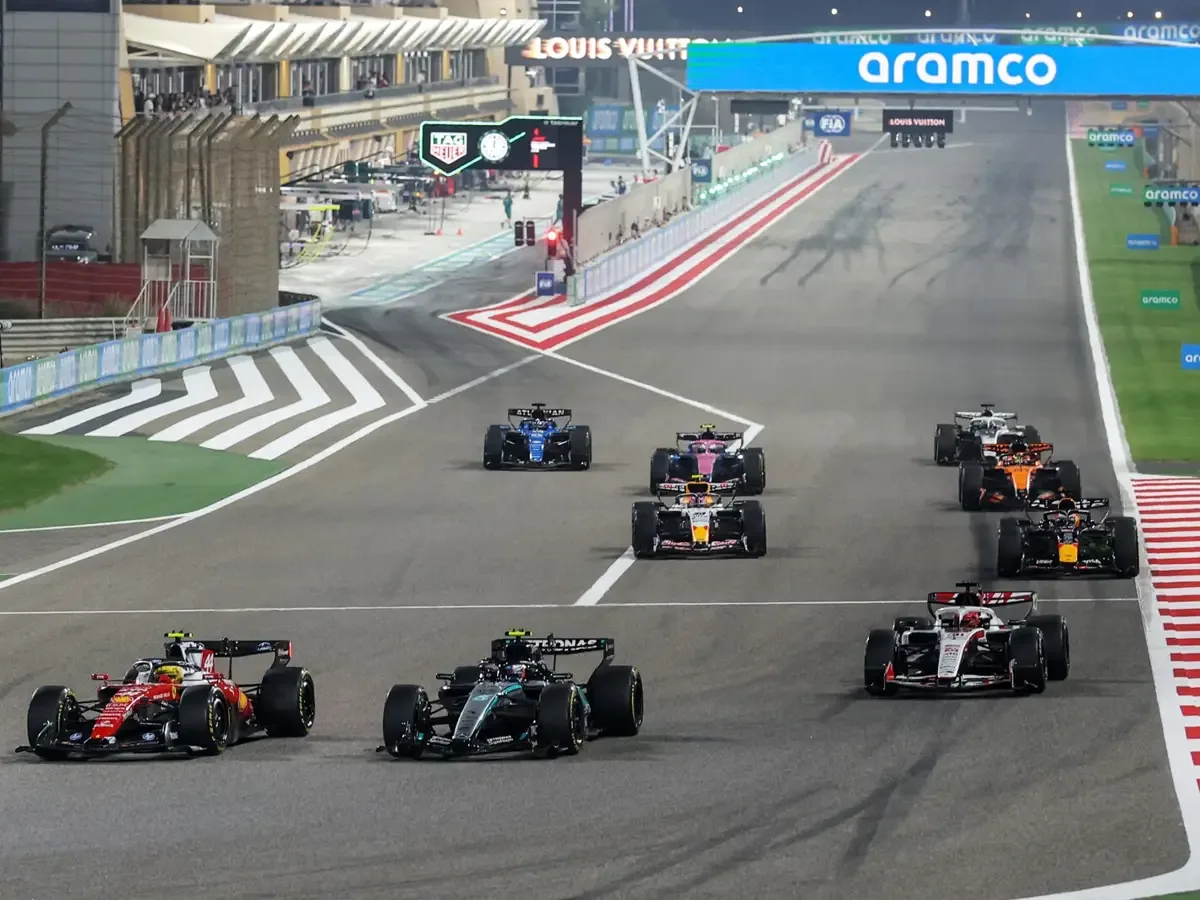
(Motorsport-Total.com) – After three intensive test weeks in Barcelona and Bahrain, Formula 1’s focus now turns to the season opener in Melbourne (March 6 to 8). The first kilometers under the new regulations have painted a clear picture of the current pecking order. From the Silver Arrows’ role as favorites to technical innovations, here are the most important insights from pre-season testing.
Read more Mercedes: It is the high hurdles that we are stumbling over
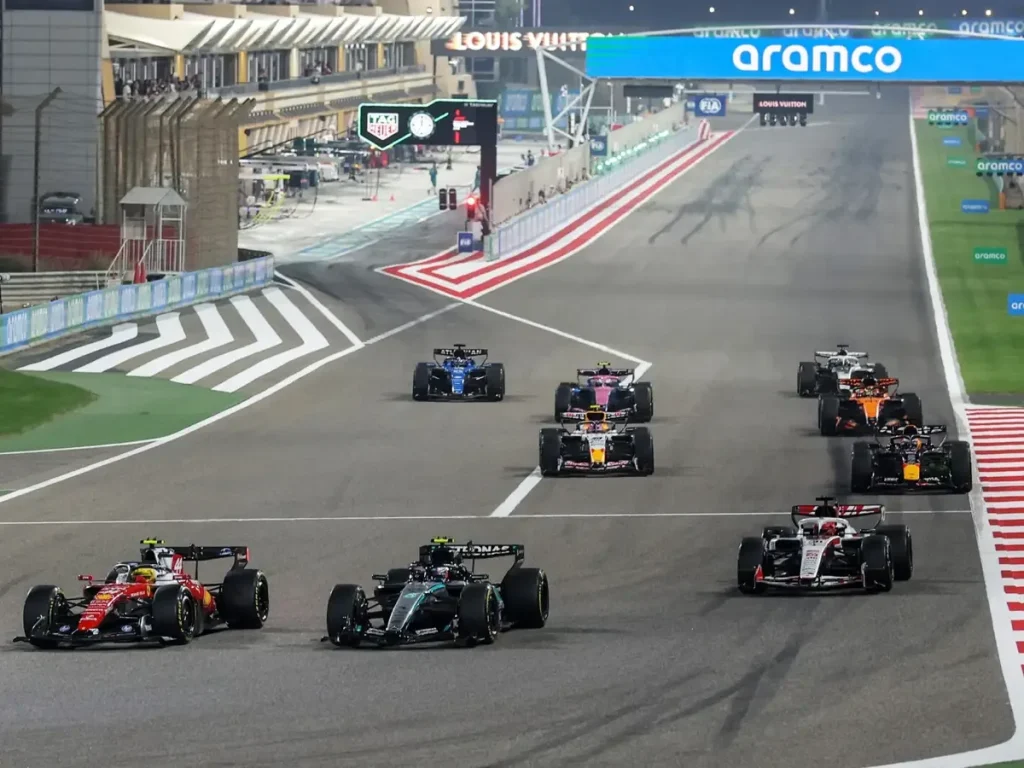
Pecking order: Mercedes in front, Ferrari lurking behind
Even before the first test drives, George Russell was considered the top favorite for the 2026 world championship title by bookmakers. This impression has solidified after three weeks in the car. Although Ferrari ultimately secured the fastest time on the timesheets, this has little significance. The Scuderia traditionally tends to show more potential earlier. Furthermore, Charles Leclerc set his best time on the C4 compound, a softer tire than Pirelli normally provides for Bahrain.
Mercedes refrained from such qualifying simulations, which can be seen as a sign of pure self-confidence. McLaren team principal Andrea Stella explained on Friday evening: “Individual lap times say little; only the long runs provide an initial indication.”
In this regard, Mercedes left an extremely strong impression. The competition, led by Max Verstappen, also suspects that Toto Wolff’s team is still holding back significant performance reserves. One indication of this is Pirelli’s assessment that the times in Bahrain were slower than expected, which could point to massive “sandbagging.”
Red Bull engine: Not a benchmark, but competitive
In Stella’s analysis of the ranking, it became clear: Mercedes and Ferrari are currently ahead. McLaren and Red Bull follow within striking distance. In Thursday’s long runs, Oscar Piastri was even slightly faster than Verstappen. However, it remains to be seen whether the Mercedes customer teams were already using the same engine mappings as the works team. Alpine suggested that there might still be room for improvement here for teams like McLaren.
Nevertheless, Red Bull surprised positively with its first in-house powertrain. Although Wolff described the DM01 unit as “the benchmark,” this praise seemed more politically motivated.
Technical director Pierre Wache explained that Red Bull understood certain aspects of energy management earlier than the competition, but admitted that the rest of the field has since caught up. Nevertheless, it remains a remarkable achievement for a newcomer, as team principal Laurent Mekies emphasized: “That in itself is an enormous achievement.”
The hierarchy is set: No Brawn GP moment in 2026
Despite the massive changes to the engine and chassis regulations, the big surprise failed to materialize. Last year’s top four teams also seem to be the benchmark in 2026. A fairy tale like that of Brawn GP in 2009 has not been repeated. One reason for this is that the big teams retain structural advantages in facilities and personnel despite the budget cap.
In the battle for the “Best of the Rest” position, Alpine and Haas currently have the best cards. Alpine’s strategy of writing off the 2025 season early seems to be paying off. The switch to Mercedes engines helps, even if the integration of the new drive and the change in working methods still take time. Nevertheless, Alpine is once again in a position to fight for points.
Problem children Aston Martin and Honda
The big loser of the test drives is Aston Martin. Even at the presentation in Saudi Arabia, the defensive rhetoric was noticeable. It was emphasized that it didn’t matter where they stood in Melbourne, but how development progressed in the second half of the season. In Bahrain, it became clear why: the team has massive catching up to do.
Read more Where does Formula 1 stand in 2026? Seven insights from testing
The problems are closely linked to partner Honda. The Japanese company’s F1 program had to start almost from scratch after its temporary withdrawal at the end of 2021. Many experts left the project at that time. In addition, Aston Martin is using its own gearbox for the first time.
The 2026 Formula 1 cars in their final designs on the racetrack
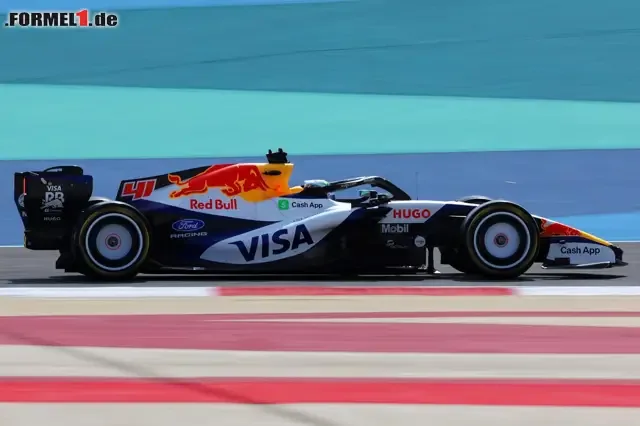
Delays with the new wind tunnel and the late arrival of Adrian Newey further complicate the situation. Although all the ingredients for long-term success are present, the test drives have shown that this project will require a lot of time. It presents the question of whether Fernando Alonso still has that time.
Creative leeway in the regulations
Despite fears from designers like Newey that the rules would be too restrictive, the tests showed interesting technical solutions. Newey himself surprised with extreme suspension solutions at the rear. Audi presented completely new sidepod concepts, and Ferrari caused a stir with a rotating rear wing.
Formula 1 Quiz
On which track did the 1952 British Grand Prix take place?
Test yourself now in the Formula 1 quiz and compare yourself with other users
Although Frederic Vasseur emphasized that it was a test object, the FIA has already classified the system as legal. This innovative power shows that the arms race in Formula 1 continues unabated even under the new regulations.
Criticism of handling: “Formula E on steroids”
While the technology is exciting, drivers’ criticism of the driving feel is loud. Verstappen described the new era as “Formula E on steroids.” He said he hadn’t even wanted to test the 2026 car in the simulator last year because the feeling was so bad. Energy management in Melbourne, in particular, will be a challenge.
“Unnatural” driving maneuvers such as early upshifting or lifting on the straights might become necessary to charge the battery. The FIA is monitoring the situation closely but wants to wait until after the first races to decide on possible adjustments, such as reducing the electrical power in the race to 300 kilowatts.
The eternal politics: Dispute over the compression ratio
Off the track, the discussion about the compression ratio of the engines is causing friction. Mercedes is the focus of the competition here. Wolff emphasized that they had always kept the FIA informed, but under pressure from other manufacturers, a vote was held on stricter tests.
A compromise now stipulates that new testing procedures will only take effect from August 1. Nikolas Tombazis from the FIA, the world governing body for motorsport, tried to calm the waters and explained that the performance advantage was smaller than suspected. But as usual in Formula 1, every millimeter and every detail is fiercely contested.
Read more Haas with great self-confidence: Best pursuer of the four top teams?