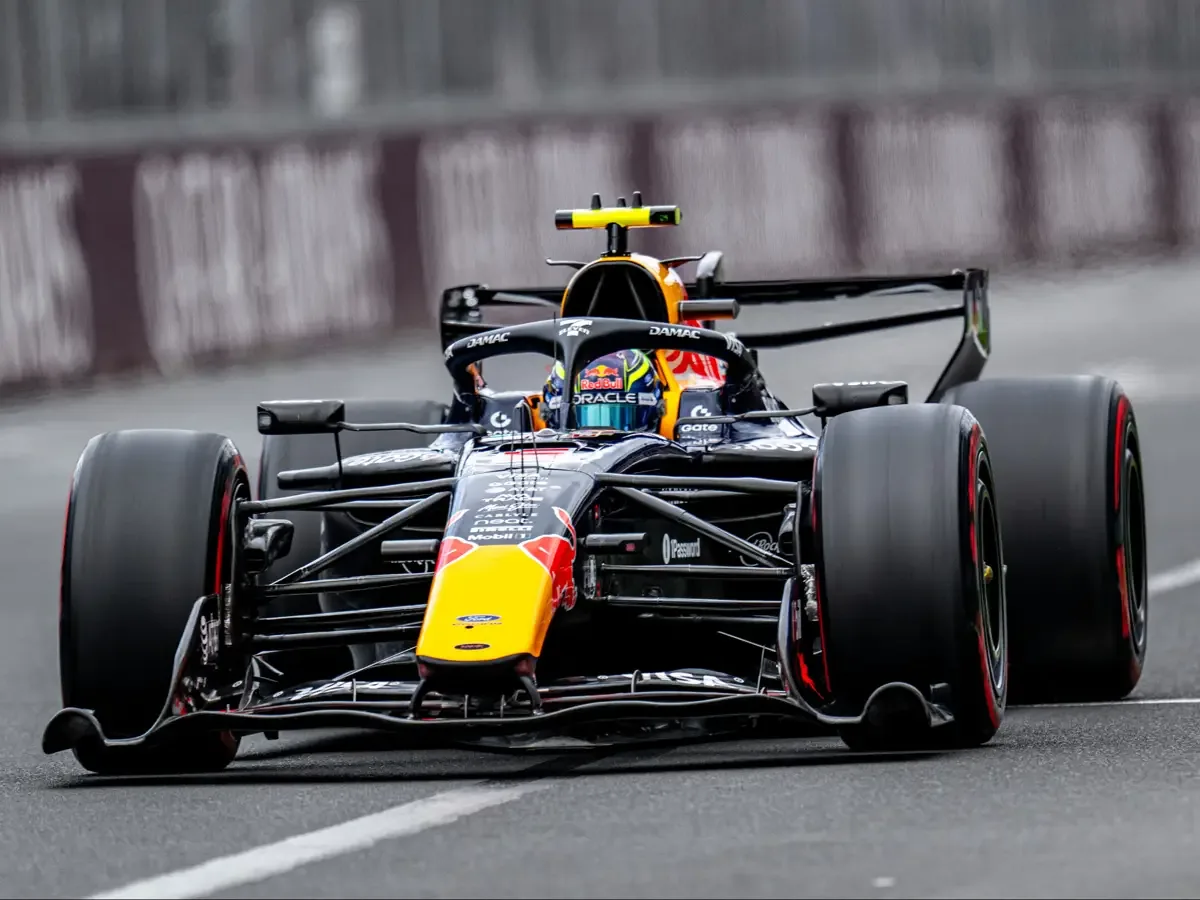
(Motorsport-Total.com) – Red Bull’s start to the season under the new Formula 1 regulations was anything but what was hoped for. While it was already clear internally that the project could have a bumpy start – after all, the Bulls are building their own engine for the first time in their history – the extent of the current crisis is likely to have surprised many nonetheless.
Read more Expert: Kimi Antonelli must not make this Piastri mistake
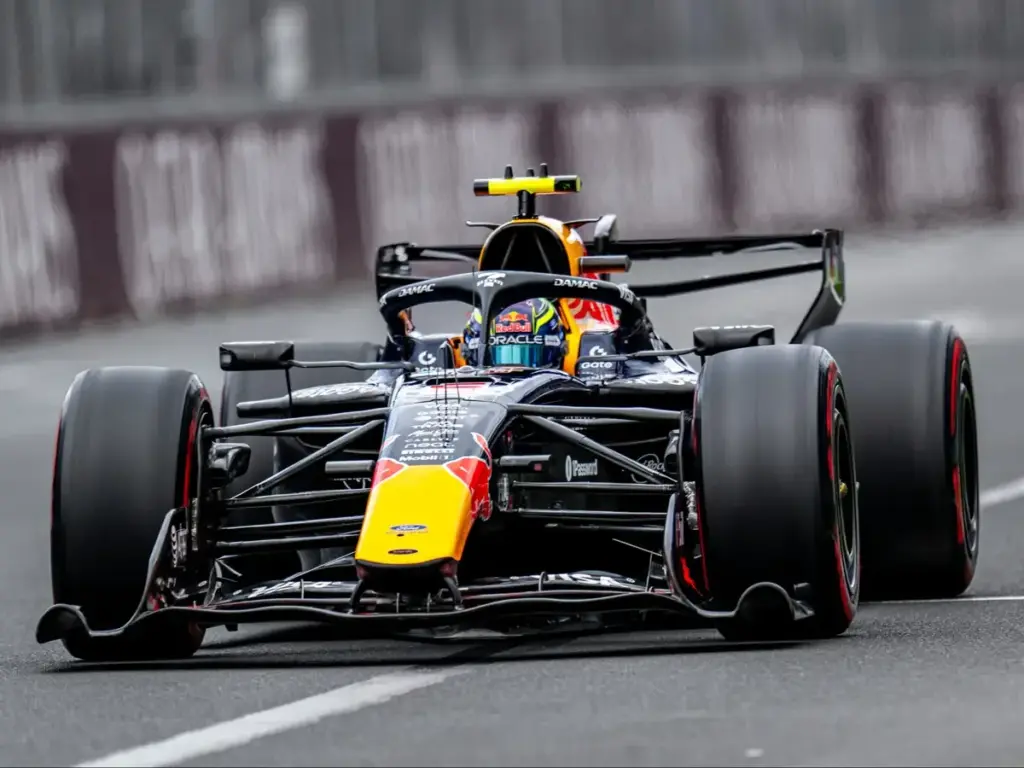
With only 16 points from the first three race weekends, the team currently sits in only sixth place in the Constructors’ Championship. In terms of pure performance, Red Bull has also clearly slipped into the midfield: on average, they are currently 0,97 seconds off the pace in qualifying, and in race trim, it’s as much as 1,26 seconds per lap behind Mercedes.
This puts Red Bull currently in a direct duel with Alpine and Haas for the front of the midfield. They are currently about four tenths behind the next best team, McLaren – both in qualifying and in the race. In a historical context, the RB22 is thus the slowest Red Bull car in eleven years.
Red Bull was last similarly slow in 2015
The success-spoiled team not only dominated the ground-effect era from 2022 to 2025 but has basically been a constant part of the top group since 2009. The last major setback dates back to 2015, when Daniel Ricciardo and Daniil Kvyat drove for Red Bull.
At that time, they were on average 1,18 seconds behind the leaders in qualifying. These were – as they are today – provided by Mercedes, back then in the second season of the hybrid era.
Interesting: In the first hybrid season in 2014, Red Bull was even closer. The gap to Mercedes was then an average of 0,83 seconds per lap, which still made them the second-strongest force in the field.
History: Catch-up could take many years
The 2026 season thus represents the weakest Red Bull season in terms of pure car pace since 2015. A look at the past shows how lengthy a catch-up can be: after the introduction of the hybrid era in 2014, it took a full seven seasons before Red Bull rose to become the dominant force again.
It wasn’t until 2019 that they managed to reduce the gap to Mercedes in qualifying to under half a second. The historical parallels therefore suggest that the way back to the top will not be a short-term project.
Read more Photo gallery: The biggest false starts of Formula 1 World Champions
However, the situations are not completely comparable: the regulation change for the engine from 2013 to 2014 was significantly more serious than the current one from 2025 to 2026. In addition, Red Bull was tied to Renault in the early stages back then, while today they have complete control over the powertrain with Red Bull Powertrains.
Data: Engine is the least of Red Bull’s problems
In fact, there are many indications that the engine is not the main problem at all. On all tracks so far – Australia, China, and Japan – it was noticeable that the top speed is competitive and even above Ferrari’s level.
Instead, the time losses occur primarily in the corners. This became particularly clear in the second sector in China and in the fast Esses in Japan.
Also striking is the comparison with the sister team Racing Bulls: despite having the same engine, both teams achieve their lap times in different ways. While the works team is more towards the top in terms of top speed, Racing Bulls is only in the midfield here.
This suggests that the RB22 lacks overall downforce and the car concept is too heavily designed for low drag. A philosophy that was already attempted at the beginning of the hybrid era to compensate for the weak Renault powertrain.
The bottom line is: the way back to the top is likely to take time for Red Bull. Possibly not as long as at the beginning of the hybrid era – but this time, too, fundamental problems must first be solved before victories can be considered again.
Read more Bahrain 2014: Nico Rosberg was «too nice» to Lewis Hamilton