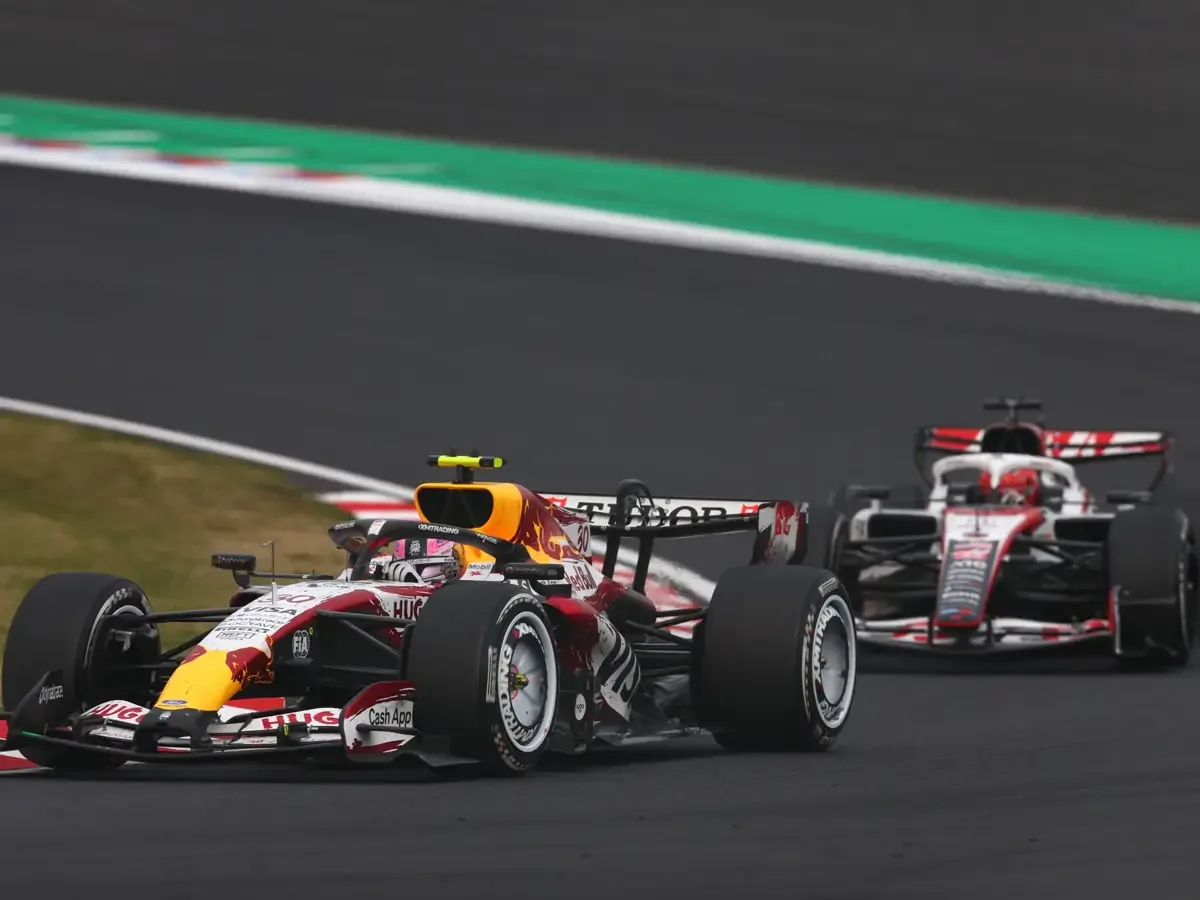
(Motorsport-Total.com) – Racing Bulls team principal Alan Permane believes that with two upcoming sprint weekends, Formula 1 should be ready to continuously test adjustments to energy management. Currently, a series of meetings are already discussing what solutions can be found to improve the current regulations.
Read more Stefano Domenicali emphasizes: «Take the criticism seriously,» but …
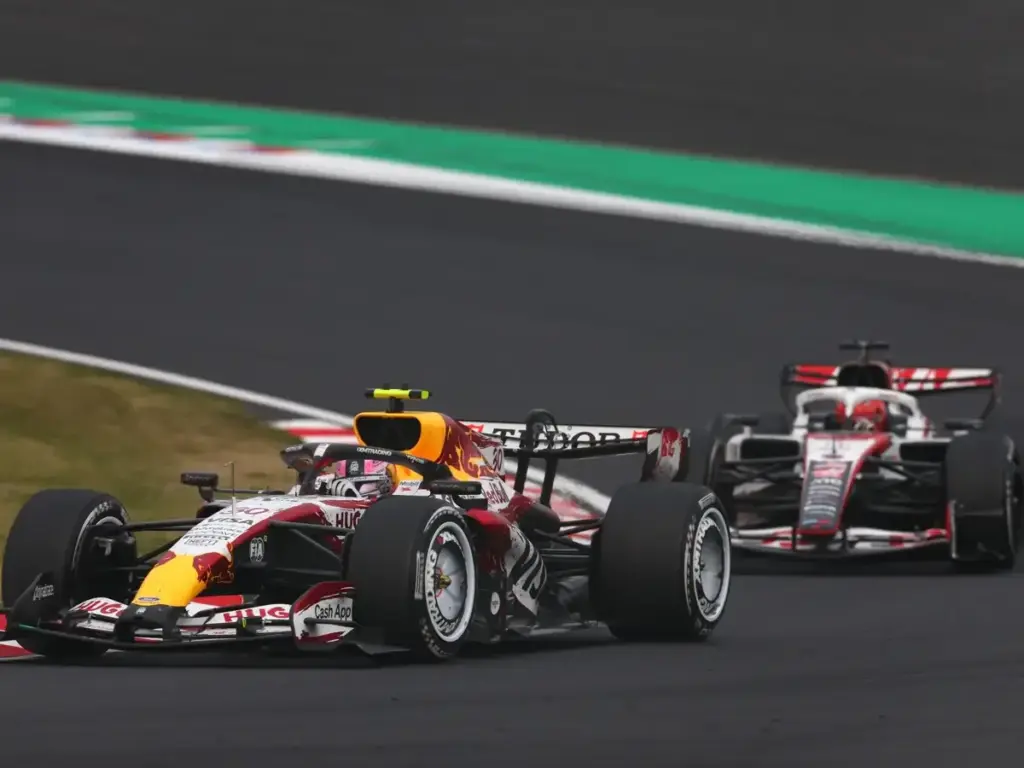
An initial package of solutions will be discussed at a high-level meeting on Monday, followed by an electronic vote. The resulting changes are expected to be implemented already in Miami on the first weekend of May, although FIA single-seater director Nikolas Tombazis recently hinted that there could be a two-stage introduction of the rule refinements.
“We collectively refer to these rules as energy management rules. They do not require hardware changes but may require adjustments in settings and software. These are changes that can basically be introduced very soon and address the core problem of speed differences or driver satisfaction,” Tombazis said last week to The Guardian.
“We could decide on a Phase 1 and a Phase 2 and perhaps give Phase 2 a bit more time so that manufacturers can still make fine adjustments.”
Two sprints and then Monaco
According to Racing Bulls chief Alan Permane, it would make sense to roll out the adjustments over several races due to the complexity of the Formula 1 calendar. The next two races in Miami and Montreal are both sprint events with only a single 60-minute practice session on Friday.
This format makes it difficult for teams to get a handle on significant changes to energy management—on top of the aerodynamic upgrades expected throughout the paddock.
The race after that, the Monaco Grand Prix, is also not an ideal testing ground: due to the low speeds and relatively low full-throttle proportions, Monaco is not considered a track where cars inherently suffer from energy shortage.
“I think the changes can happen in many more phases than just two,” Permane now says in a media round. “Many proposals have been made. I believe it will be particularly difficult at a sprint in Miami because there is hardly any time to test.”
“So it could well be that in Miami we try out things that are—let’s say—somewhat simpler and less risky, and then follow up with more in Montreal. And after that, it goes to Monaco, where it is almost impossible to test anything.”
Important turning point in Barcelona?
The ideal place for another round of changes would be the race in Barcelona at the end of June, which is not only a regular race weekend but also a well-known test track where this generation of cars was already driven during the shakedown in February. Austria in mid-June is another regular weekend before the next sprint at Silverstone in July.
Read more Formula 1 Test Nürburgring: Norris & Antonelli in front of a packed grandstand
“Barcelona could be the first time we try some of the—let’s say—more demanding things,” suggests Permane. “I wouldn’t necessarily speak of only two upgrade stages. I think we should remain open; maybe it’s a continuous process. I don’t know. That would have to be managed by the FIA and F1, but we definitely shouldn’t limit ourselves. We can keep working on it continuously.”
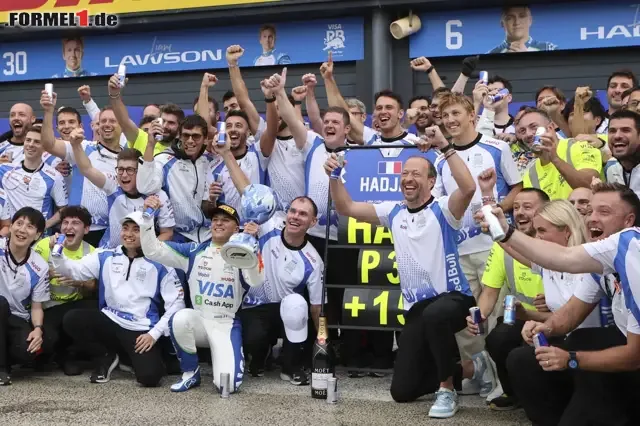
All podium finishes of Racing Bulls, Alpha Tauri and Toro Rosso
After seeing some of the proposals to reduce or adjust energy release at last week’s Technical Working Group meeting, Permane downplays fears that changes to the power unit software and sporting regulations would cause massive headaches for the teams.
“All these changes have to go through the Power Unit Working Group,” says Permane. “Everything will follow the official path unless it concerns safety issues—there the FIA will surely crack down hard because they don’t want to see something like that again.”
“But the rest has to go through the Power Unit Working Group, in which Red Bull Powertrains is of course also represented. Nothing I’ve seen so far seems particularly frightening. There are some very reasonable approaches,” he says.
Turns even less demanding?
However, Permane cautions to avoid what he calls “unintended consequences” in Formula 1. He argues that a strong reduction in electrical energy would actually make the demanding Formula 1 corners even slower because the entry speeds would be lower.
“As always, there can be unintended consequences when we change things,” he says. “I don’t think we want to make the cars significantly slower. High-speed corners that are really challenging and at the limit—we don’t want them to become too easy.”
I know people don’t like ‘Lift and Coast’ and that we don’t want to see energy recovery on the straights. The way to eliminate that is to give us much less energy, which will make the cars slower,” says the Racing Bulls team principal.
“However, I don’t think we want to make the corners less demanding, so we have to be careful—and I know they are cautious on this point.”
“I’m sure there will be changes for Miami, but I doubt we’ll see the entire package of changes there because the format of the event will naturally make people cautious.”
Read more Alan Permane: That’s why Alpine’s success is no surprise