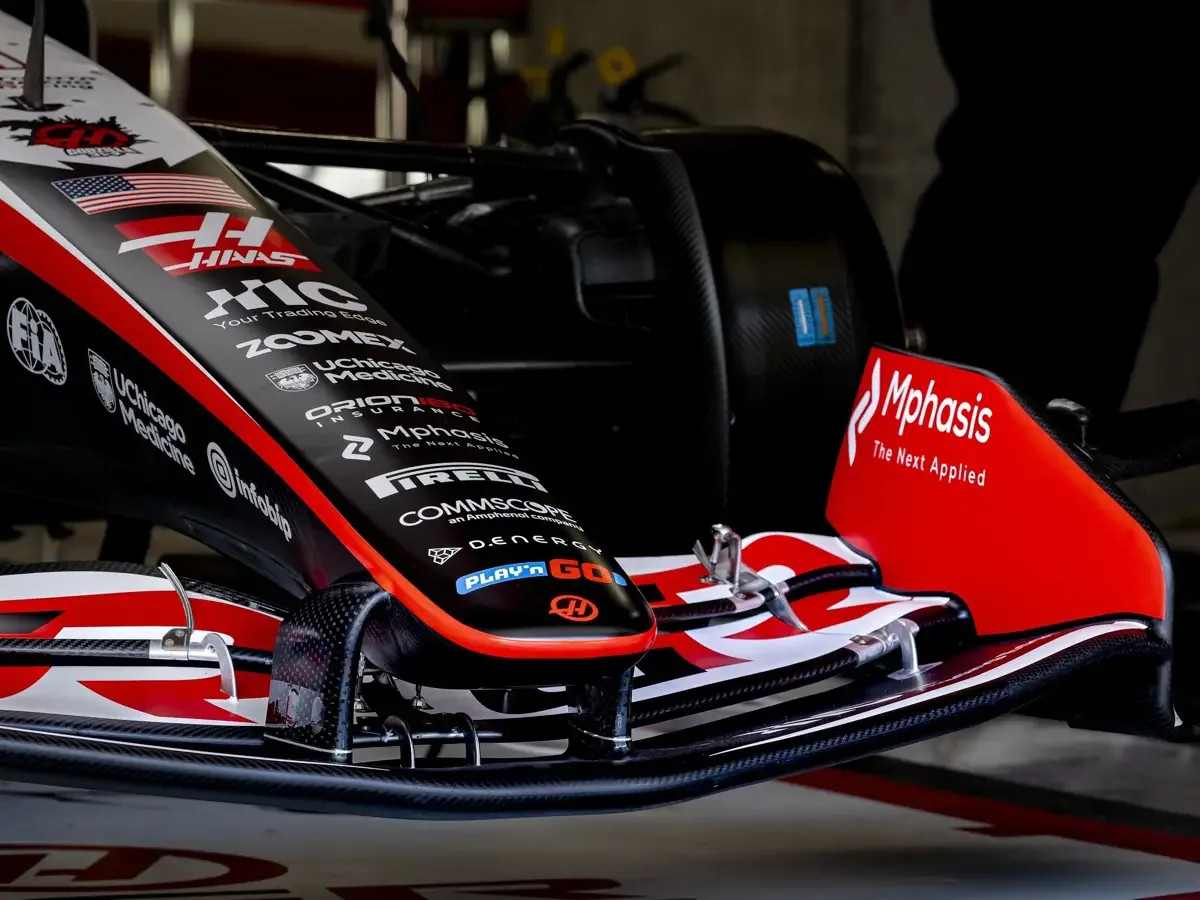
(Motorsport-Total.com) – The four race-free weeks in April have given the Formula 1 teams the opportunity to examine one of the most sensitive topics this year: the front wing. Between active aerodynamics, differences between individual components, and the search for consistency, the break became an opportunity for targeted work in this area.
Read more Doriane Pin completes Formula 1 test with Mercedes in Silverstone
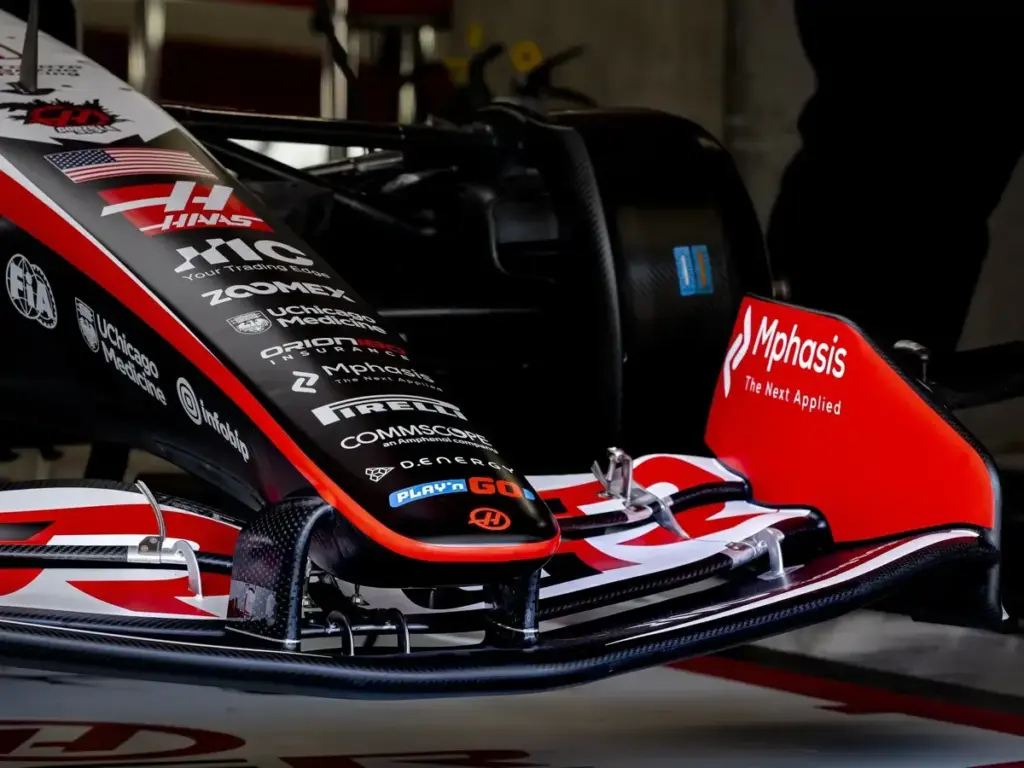
Compared to 2025, the front wings have changed significantly this year, both in design philosophy and in their function, as they are regularly opened by the new “Straight-Line-Mode” to reduce air resistance on the straights.
Therefore, the front wing will also be one of the areas with the most updates during the season, along with the side bargeboards in front of the sidepods. Before the final wing version for the new car was decided, each team tested dozens of different concepts because the front wing plays a central role in flow management along the vehicle.
That’s also why engineers invested a lot of time during the April break in the detailed analysis of data from each configuration, allowing them to go deeper than in a normal race rhythm.
“We were able to work on some aspects that became clear after the first races. At the moment, there is still a lot of potential that can be extracted from these cars, which are still quite immature in their development. We have already seen a good example,” explains Hoagy Nidd, “Head of Car Engineering” at Haas.
Front Wing now an “extremely sensitive component”
“In Suzuka, we introduced an update to the front wing,” he reveals and explains: “A relatively small change, the first of the year. But we have found that the front wing is now an extremely sensitive component in terms of performance.”
“With the movable aerodynamics we are now using, the challenge is to ensure that the wing works consistently – between different specifications and even between different sessions with the same configuration.”
It may seem like a minor detail and almost paradoxical, as the construction of the wings has not changed. Nevertheless, at the start of the season, there were several cases where drivers complained about inconsistent front-end behavior. An example is Franco Colapinto, who reported in China that something was not working correctly in this area on the front axle of his Alpine A526.
In fact, as Nidd explains, the measurements are not always identical, and even with the same specification, small differences can occur between individual wings. The goal is to ensure the most consistent behavior possible and to avoid noticeable changes in balance.
Read more Max Verstappen on the Nordschleife: Between victory chance and tragedy
For this reason, Haas launched a special program on this topic during the break. “We have therefore initiated our own project to analyze this aspect, examine the kinematics of the system, and find out how we can ensure that the driver always receives the same performance,” reveals Nidd.
“Because ultimately, it is our tool for vehicle balance. It determines the feeling when turning into a corner. It is an element with enormous impact,” he emphasizes. Since teams also have active aerodynamics this year, a significant portion of the overall performance runs through the front wing for various reasons.
New Front Wings: Consistency is King
A crucial point is consistent behavior when opening and closing, especially during braking, to avoid unexpected reactions. Not without reason, several drivers prefer to close the wing before the braking phase.
This topic could become even more important if the use of active aerodynamics were to be further expanded or even fully released. This is one of the discussed options to reduce energy consumption, even if the drivers are not particularly enthusiastic for safety reasons.
Crashingly Failed: These Formula 1 Major Projects Were Never Successful
In general, even a few clicks on the wings can make a significant difference, as today’s cars have a more nervous rear end than before – both due to less downforce and mechanical grip, and because the electrical component tends to provide more torque immediately.
“We noticed at the start of the season that even minimal differences are more noticeable. I suspect this is a consequence of the overall lower downforce: very small changes in the different configurations are perceived more clearly,” says Nidd.
“That’s why we launched a quite extensive and ongoing project to ensure that the driver always has the same feeling – regardless of which front wing he uses.”
Read more Jenson Button on his world champion car: These things are «crazy»