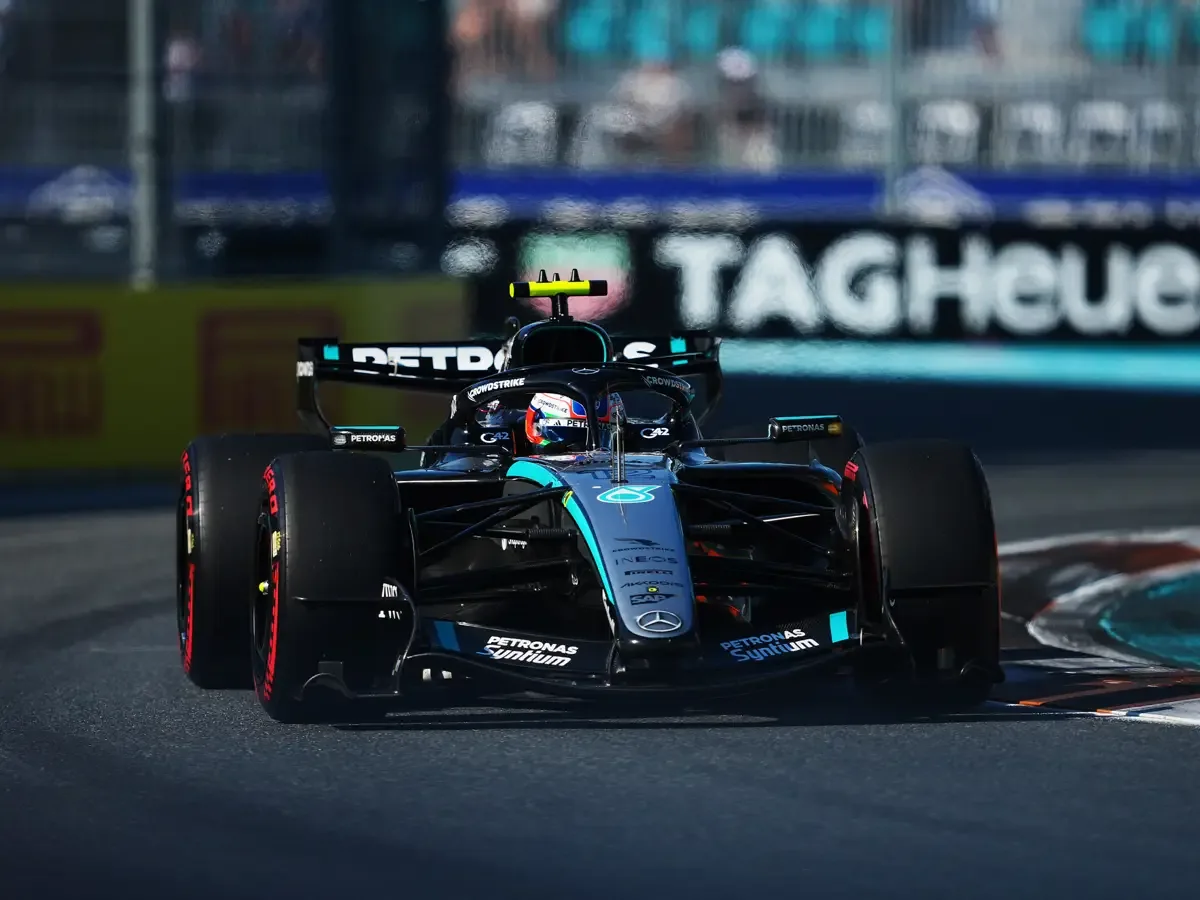
(Motorsport-Total.com) – In Formula 1, the discussion about future power units is intensifying dramatically. Within the next 15 days, a final decision on possible adjustments for the engine generation from 2027 is expected – a timeframe that is causing increasing nervousness in the paddock.
Read more Just the beginning: Domenicali talks about Formula 1 expansion in the USA
The central question is whether the current design will remain or whether profound changes will be implemented. While minor adjustments – like recently around the Miami Grand Prix – are also possible in the short term, structural interventions require a quick agreement.
Because: The further the development of the 2026 cars progresses, the more difficult it becomes to implement fundamental changes. Above all, technical dependencies ensure that time works against the proponents of major reforms.
60/40 instead of 50/50: The dispute over power distribution
The core of the debate is a possible shift in the power distribution between the combustion engine and the electric motor. Currently, a ratio of 50/50 is planned – but for weeks there has been intense discussion about increasing the combustion engine’s share to 60 percent.
The aim of this measure is to bring the driving behavior closer again to previous Formula 1 generations. In particular, criticized phenomena such as “Lift and Coast” or so-called “Superclipping” could be reduced. Many drivers want a more direct, intuitive driving feel back.
However, this step would have far-reaching consequences: Higher combustion engine power would increase fuel consumption. This, in turn, would require larger tanks – with direct effects on vehicle size, weight, and design.
Supermajority as a hurdle: Manufacturers must agree
Perhaps the biggest sticking point is political in nature: For such a fundamental rule change, a so-called supermajority is required. At least four out of five engine manufacturers must agree for the adjustment to be implemented.
Exactly here lies the uncertainty. While some manufacturers are considered supporters of a 60/40 model, others remain deliberately reserved. Official statements are scarce so far – but intensive talks are taking place behind the scenes.
Read more Audi burns: Nico Hülkenberg misses sprint in Miami!
The fronts seem hardened: Some participants are pushing for changes to address criticism of the current concept. Others, however, warn of the consequences of such a late intervention in an already ongoing development program.
Technical and strategic consequences: More than just a detail
The decision goes far beyond a simple adjustment. A change in power distribution would trigger a chain reaction affecting almost all areas of vehicle development. From packaging to aerodynamics to race strategy, numerous aspects would be affected.
Particularly critical is the factor of time. According to several voices from the paddock, the window for such a decision closes already in mid-May. After that, major changes would hardly be feasible without risking massive delays or additional costs.
Some team principals still downplay the problem. In the extreme case, for example, the race distance could be slightly adjusted to compensate for the increased consumption. However, such proposals show how complex and multifaceted the debate is.
Decision with signaling effect: Direction of the new era
Regardless of the outcome, the decision will set a clear direction for the future of Formula 1. It is not just about technical details, but about the fundamental philosophy of the next era: more electrification or a return to classic combustion engine characteristics.
For the drivers, the driving feel is primarily in focus. For manufacturers and teams, economic and strategic aspects also play a decisive role. The challenge is to bring all these interests together.
The next two weeks will therefore be a decisive turning point. Evolution or revolution – Formula 1 faces one of its most important decisions in recent years.
Read more Due to weather quirks: Will the start time for the Miami GP be adjusted?