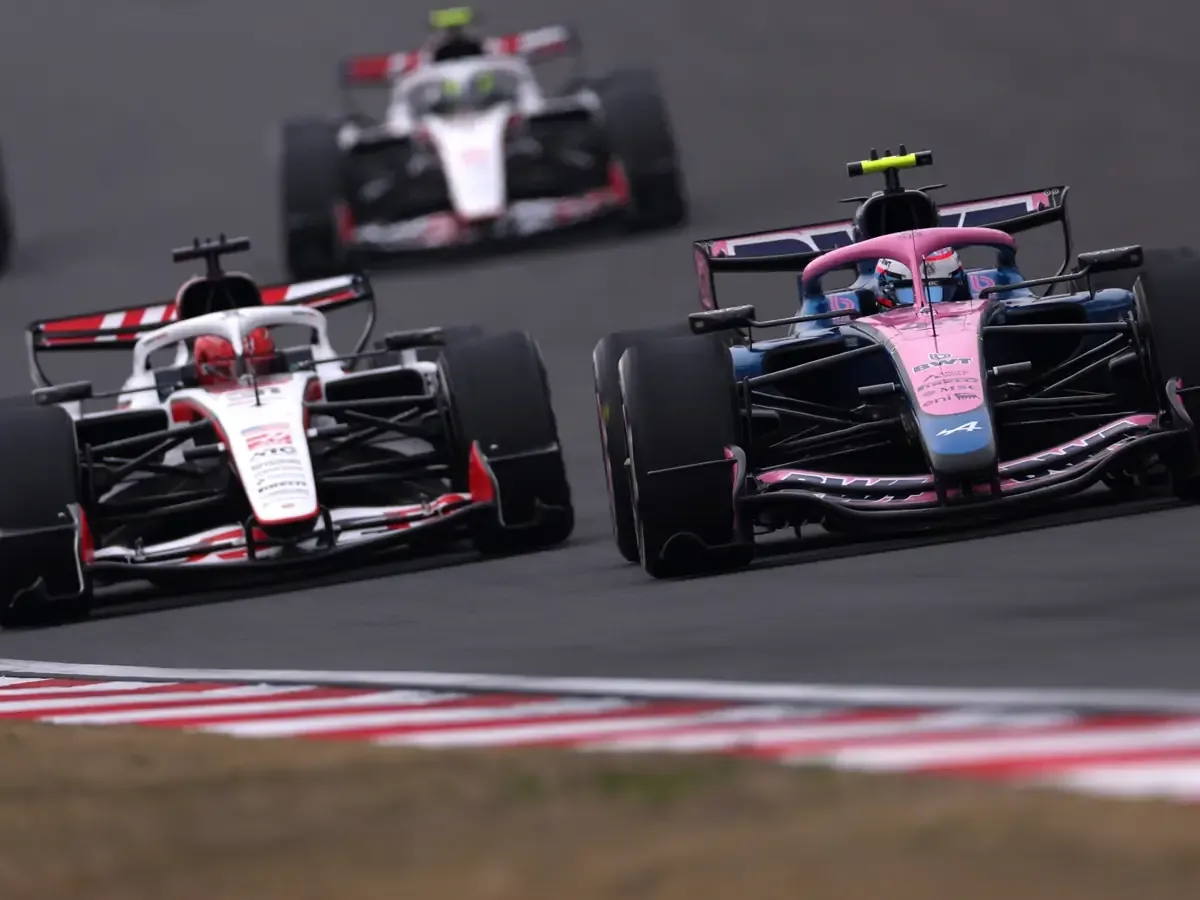
(Motorsport-Total.com) – After the Japanese Grand Prix, Haas was surprisingly in fourth place in the constructors’ standings, two points ahead of Alpine. But a rather inconspicuous weekend at the home race in Miami has now left the team five points behind the team from Enstone.
Read more Ralf Schumacher: «The way actually has to go back to the combustion engine»
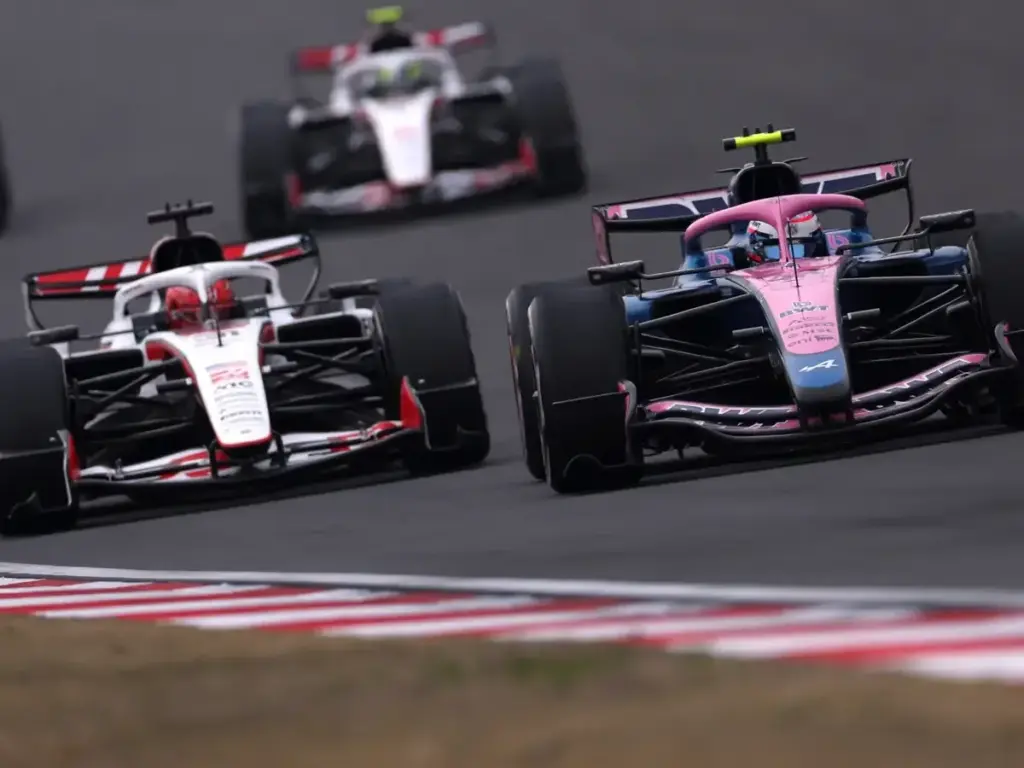
While Pierre Gasly scored a point in the sprint, teammate Franco Colapinto finished seventh in the main race. Much of this can be attributed to the effectiveness of the respective updates. Alpine brought a whole package of aero changes, while Haas introduced only a single adjustment in Miami: a small additional element on the diffuser winglet.
In terms of pace, Haas was roughly on the level of the improved Williams FW48, which also received extensive updates. Oliver Bearman suspects that he could have secured tenth place if he had overtaken Alexander Albon with an undercut.
After the pit stops, he stayed close but did not have enough pace for an overtaking maneuver. While Haas was still able to keep up with Alpine in the first three races, the changes to the A526 are now causing some concerns in the US team.
Although the constant development race will give Haas chances to strike back and distance itself from Williams, Racing Bulls, and Audi in the upcoming races, Alpine has made great progress by eliminating one of its biggest weaknesses.
Alpine has fixed its biggest weakness
“They had a problem in fast corners, and it looks like they have solved it. And they brought a big upgrade package to this race,” said Bearman in Miami. “We brought nothing, so we expected a difficult weekend. And that’s exactly how it turned out.”
This also explains why Alpine fell back a bit in Melbourne and why Colapinto had problems in Suzuka. The car behaved well in slow to medium-speed corners, and both drivers were able to capitalize on that.
This was especially evident in China, where there are only a few high-speed corners—and even the long corners at the end become tighter. The problem was generating enough grip at the front axle in fast corners.
Gasly found ways to keep the front stable in fast sections, mainly through setup and an adapted driving style. For Colapinto, the situation was more difficult. Without Gasly’s experience and confidence, he found no solution, which increased the gap between the two.
Read more A worthy conclusion? Ocon talks about Brazil podium with Gasly
Haas powerless against Alpine in Miami
In Miami, this problem seemed to be solved. Both cars made it into Q3, and Colapinto was faster than Gasly in all three qualifying sessions. However, Alpine’s strategy in Q1 gave Haas a false sense of security.
Bearman was three tenths ahead of Colapinto in the early phase, Esteban Ocon a tenth ahead of Gasly. But the Alpine drivers had only used one set of tires in this section. In Q2, Haas was abruptly brought back down to earth.
Miami: Driver ratings by Marc Surer and the editorial team
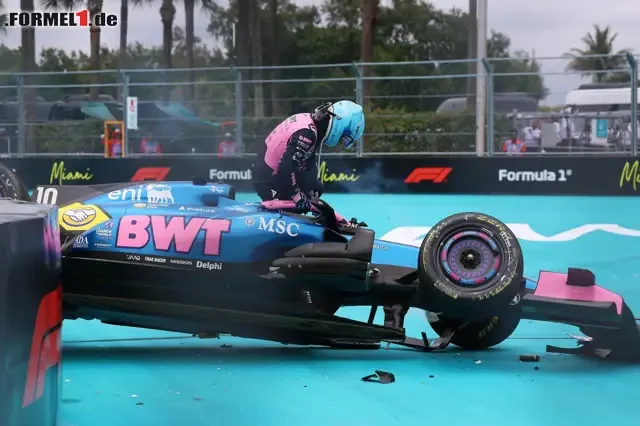
“I think that’s when the real pace showed,” said Bearman. “At the start of Q1, it looked good, but we had a completely different run plan. I felt like we had, for example, caught up to Alpine.”
“But they only used one set of tires and showed their true pace in Q2—and we were no longer in the fight with them,” explains Bearman, who was half a second behind Gasly at the end of Q2. Although the Haas 2026 clearly has weaknesses over one lap, it has often been able to compensate for this in the race so far.
Will Haas strike back in Canada?
In Miami, however, the Brit lost 36 seconds to Colapinto. However, the team also felt that their own execution was not optimal. Both drivers lost time in the pit lane, which, according to Bearman, cost the undercut against Albon.
Haas still hopes to partially make up the deficit to Alpine, as a larger upgrade package is planned for Montreal. Unlike the competitor, there is no single obvious weakness in the VF-26, apart from the overall lack of downforce to regularly reach Q3. Currently, about three to four tenths are missing for that.
Additionally, the team had problems in the hot conditions of Miami on Friday and Saturday, while the cooler conditions on Sunday helped somewhat. It is expected to be cooler in Montreal, which could again give Haas the chance to put Alpine under pressure.
Nevertheless, Alpine seems to be getting stronger as the season progresses, and the decision to write off 2025 early is increasingly looking correct. Haas has every reason to worry that Alpine could pull away from the rest of the midfield—and must turn this concern into progress in its own development.
Read more Lando Norris: Why Formula 1 drivers no longer have a say