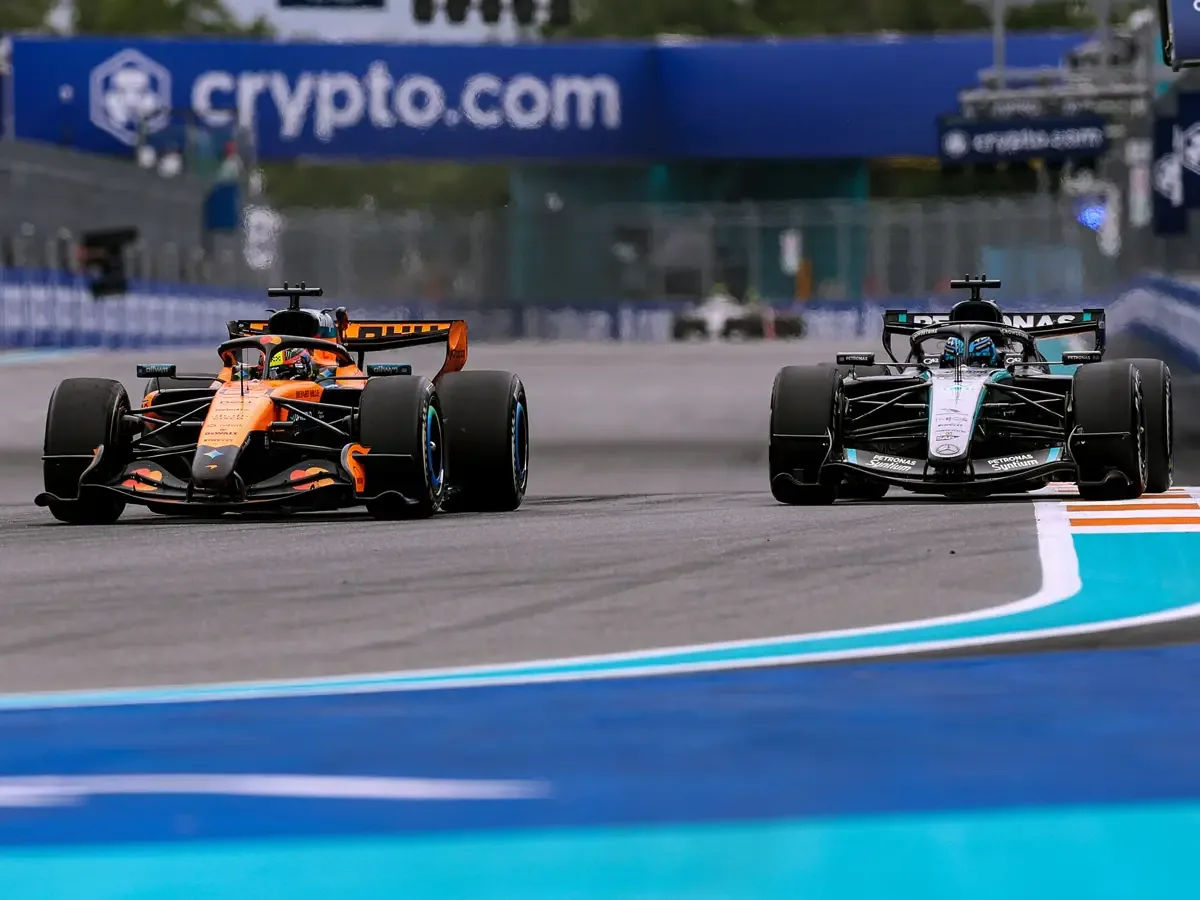
(Motorsport-Total.com) – Three weeks after the upgrade fireworks in Miami, the 2026 Formula 1 season may face the next turning point, as both Mercedes and McLaren are bringing a large package each to the Canadian Grand Prix.
Read more Formula 1 Engines: Why Ford «Loves» the V8 Idea
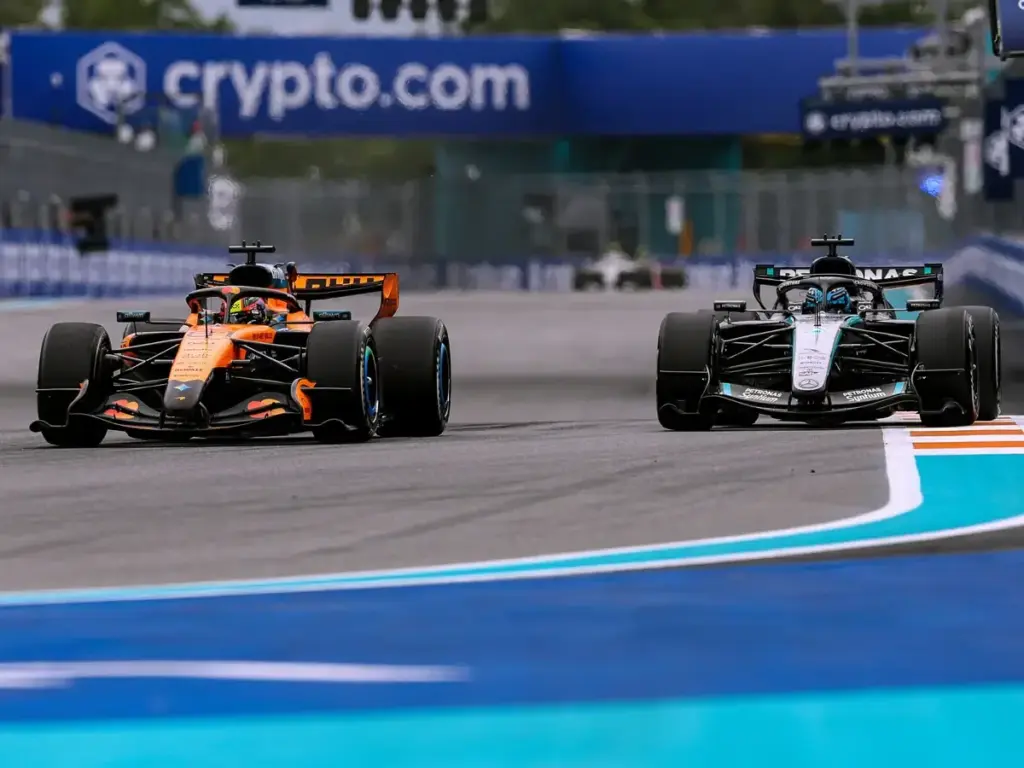
There is little doubt about who is the dominant force at the start of the new regulation era in 2026: Mercedes won the first four races each from pole position. Rookie Kimi Antonelli travels to Montreal as the championship leader after securing his third consecutive Grand Prix win in Miami, leaving teammate George Russell 20 points behind.
However, looking more closely, the Mercedes victories came about in quite different ways. After early dominance at the season opener in Australia, the competition has gradually closed the gap.
While Ferrari was initially considered the strongest challenger, McLaren has caught up strongly in recent weeks after better understanding the Mercedes power unit. Both teams brought large upgrade packages in Miami, which apparently had more effect on the reigning world champion team than on Ferrari.
McLaren’s form in Miami was somewhat deceptive. Norris beat Antonelli in the sprint qualifying on Friday, and together with his teammate Oscar Piastri, he secured a one-two finish in the 19-lap race on Saturday morning.
But after further adjustments to the setup and engine management, it became clear that Mercedes still had the overall best package across qualifying and race.
Why Canada is the next venue in the development duel
Mercedes’ lead may have shrunk, but the crucial point is: the team has survived the first wave of upgrades from the competition, while its own major update is still pending.
Mercedes has deliberately held back its package for the race at Circuit Gilles-Villeneuve to rebuild the lead. If the small setback in Miami was calculated, Antonelli’s win looks all the more threatening for the competition.
However, the difficulties Mercedes has faced in the ground-effect era with the correlation of updates have made team principal Toto Wolff cautious. “Yes, something is coming, or rather the bigger update is coming in Canada,” he says.
“Now we have to make sure it also works,” says Wolff, emphasizing: “On paper, it’s easy to say you’re three or four tenths faster. But that has to show on the track and on the clock.”
McLaren is also not finished yet and has split its updates between Miami and Montreal. It is not an even distribution: about 60 percent came in Florida, about 40 percent follow now, focusing on a new front wing.
Given the importance of the front wing for the overall aerodynamics, this could be a decisive factor, especially on the long straights in Montreal.
McLaren’s generally rising form curve over the past weekends, supported by cleaner race weekends and a better understanding of the complex power units, is encouraging. The first stage of the upgrade package also brought additional boost.
Read more Daniel Ricciardo: Life feels «more real» after Formula 1 exit
“We are very satisfied with the weekend and very encouraged – not only because we scored more points in one weekend than in the previous three races, but also because of the development we see,” says Andrea Stella.
“We know that more updates are coming from the same development line. Therefore, we are optimistic that we can make further progress,” emphasizes the team principal.
At the same time, he makes it clear: “I think Mercedes still has a few tenths advantage over everyone else. That was especially evident in the race and qualifying [in Miami]. In the first sprint section of the weekend, Mercedes for some reason did not show its full potential.”
“So I think Mercedes is still the best team. It is probably less noticeable here because there are not many high-speed corners, but they also did a good job of getting the maximum out of their package after learning from sprint qualifying and the sprint.”
What previous races in Canada reveal
Stella’s assessment of Mercedes’ strengths is interesting. McLaren has largely caught up with the factory team in the use of the power unit and was even better in the sprint qualifying in Miami.
At the same time, it is becoming increasingly clear that the Mercedes W17 is not a specialist in just one area but a balanced car that is strong both in fast corners and on straights.
This makes the next races – the unusual stop-and-go layout in Canada and the slow Monaco – difficult benchmarks for the actual distribution of power. As last year’s race showed, the dominant car of the season does not always win in Montreal.
The first wins of the current Formula 1 teams
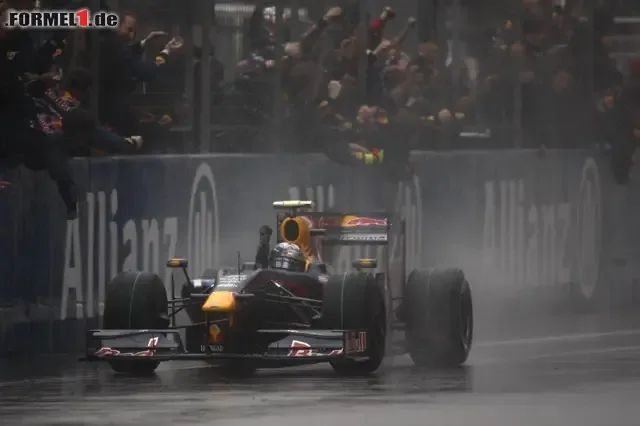
Russell then took one of two wins on a rare weekend when Mercedes could keep up with McLaren and Red Bull in cooler conditions and without many fast corners. Since the race takes place earlier this year, low temperatures around 14 degrees and rain could play an even bigger role.
In addition, there is another sprint weekend, so the effect of the updates may only be fully visible at the race in Barcelona in mid-June. However, this is exactly what makes the appeal of the first season under new rules, as more teams will bring new parts by the first of two races in Spain this year.
Instead of a fixed pecking order, the field is already so close that the continuous development process of the 2026 season will shift the balance of power from track to track.
Whether Mercedes can really be caught remains open. But June is likely to provide more answers than Canada alone can.
Read more Erotic dancers target Formula 1 race in Canada with strike