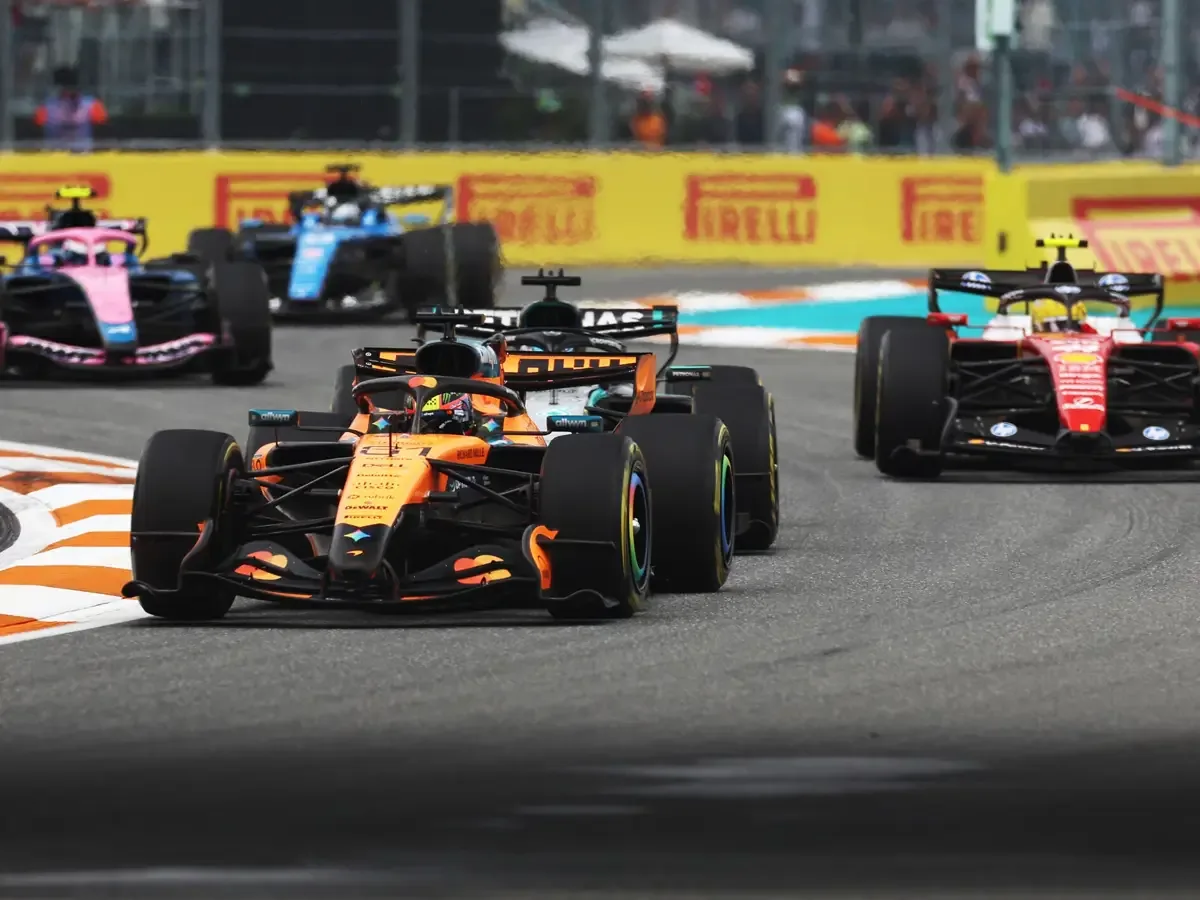
(Motorsport-Total.com) – With the modern racing calendars full of consecutive weekends, it is somewhat a peculiarity of the schedule that the fifth event of the season only begins at the end of May. On the other hand, it is also due to the two canceled Grands Prix in the Middle East, which resulted in a race-free April.
Read more «Not for nothing a Formula 1 driver»: Ralf Schumacher is amazed by Max Verstappen
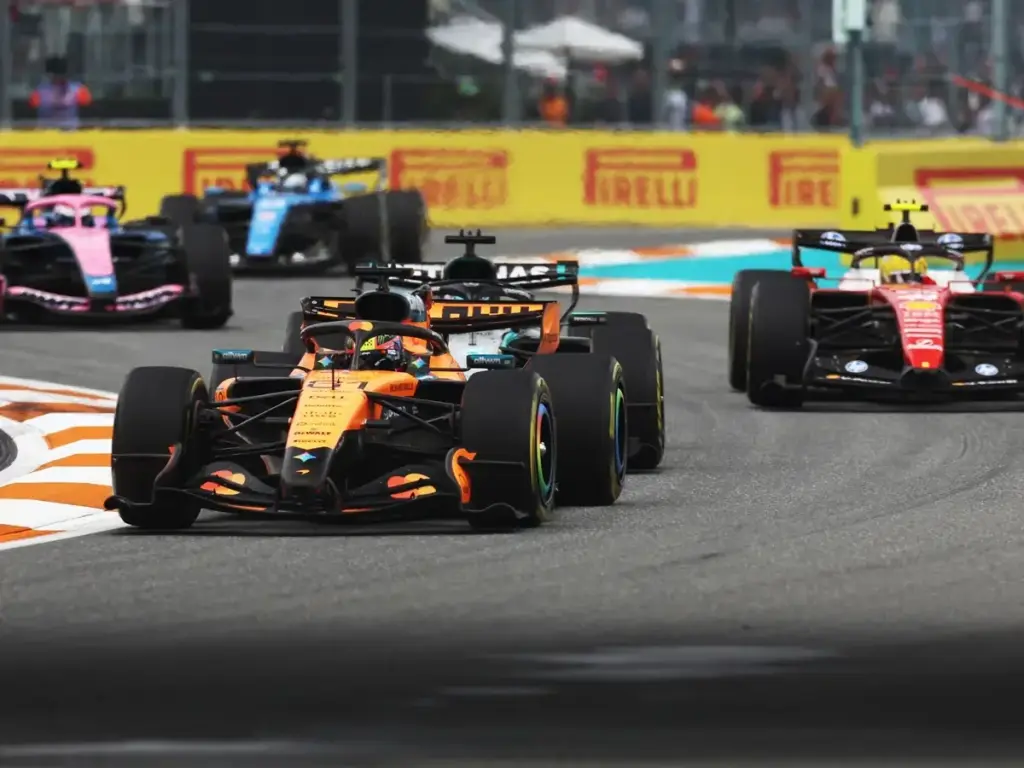
But even if the Canadian Grand Prix had originally been scheduled as the seventh stop on the Formula 1 calendar, the season would still be in its early stages given the 24-race marathon of the 2020s.
And at the start of a new regulation era – especially one where the rules are constantly being adjusted – it was anyway a huge challenge to determine the balance of power early on. When you also take into account the performance fluctuations that arise because teams bring their upgrades at different times, recognizing a pattern is at best an educated guess.
But the early stage of the 2026 Formula 1 season is not the only reason why the final order of manufacturers and teams will only become apparent later this year.
Canada and Monaco are exceptions
The Circuit Gilles Villeneuve in Montreal is a highly respected track on the calendar due to its history, city-center location, and driving challenges.
How important the race is for Formula 1 and Liberty Media was shown by how closely they worked with the organizers to find a place in the calendar, while at the same time wanting to cluster races geographically to reduce transport costs, personnel burdens, and emissions.
As a result, the Canadian Grand Prix takes place three weeks earlier than last year. It follows Miami, albeit with a two-week break in between. What follows is a doubleheader of Monaco and Barcelona.
The contract durations of the current Formula 1 tracks
The 21 days that the race takes place later than the previous year normally means that the weather in Montreal will be somewhat cooler. The track is anyway one of the cooler ones on the current Formula 1 calendar (currently Silverstone and Zandvoort compete for this title), which is why temperatures and conditions are not fully representative of most of the season.
This was already evident in the previous ground-effect era when Mercedes dominated in Canada with a car that was particularly strong in cooler conditions, while the leading packages from McLaren and Red Bull had problems.
The lack of fast corners in Montreal is also rather unusual: long straights are interrupted by stop-and-go chicanes and hairpin turns. The variety of Formula 1 tracks is meant to offer the cars different challenges every weekend, and that is basically positive.
From a design and driving behavior perspective, however, it is a preferred characteristic to have a car that performs best when it can generate maximum downforce.
Monaco is somewhat the complete opposite: no long straights and no really fast corners, at least not compared to Maggotts and Becketts at Silverstone. Also, the race there is usually decided already in qualifying. An analysis of race pace is therefore hardly meaningful.
Read more First points scored: Why the Audi boss is still «satisfied»
Barcelona will be the first returning track
It feels like an eternity ago, but the new Formula 1 era began at the end of January on the cold and at times wet Circuit de Barcelona-Catalunya. As the preferred European venue for pre-season testing, the track was ideal for teams to familiarize themselves with the new cars, engines, and rules of the new generation during a five-day, non-public shakedown.
Each team was allowed to drive on three of these days. With the exception of Aston Martin (a little more than one day) and Williams (no days at all), all teams completed this test before heading to the official pre-season tests in Bahrain.
However, due to the cancellation of the Bahrain Grand Prix following the outbreak of war in the Middle East, Formula 1 did not return to the winter test track as planned. This role is now taken over by Barcelona, but under completely different conditions, as high heat is expected in Catalonia in mid-June.
Apart from the conditions – and if you put Aston Martin and Williams with their special situations aside – this will be the first time that teams use their cars a second time on the same track.
This allows them to compare data and analyze how their cars have developed since the test in January and how the teams now stand in comparison.
Furthermore, Barcelona offers a mix of slow, medium, and fast corners as well as a long start-finish straight. This allows teams to push their cars to the limit under realistic conditions – conditions that have not been experienced since the Japan Grand Prix at the end of March (if you also count Miami among the “unusual” tracks on the calendar).
Upgrades, upgrades, upgrades
Since teams bring upgrade packages of different sizes to different race weekends, performance fluctuations must always be viewed in context.
For example, Mercedes postponed its big upgrade package to Montreal, while McLaren and many competitors were able to reduce the gap with a significant update already in Miami. Given the still very young development paths and rules, the gaps will continue to grow and shrink throughout the year.
Nevertheless, it is generally expected that only minimal or no updates will be used in Monaco, as many teams target Barcelona as the next big development step. When the track previously hosted the first European race of the season in early May, it was traditionally considered a hotspot for major upgrades.
The same is likely to apply this time, although Monaco technically already marks the start of Formula 1’s European summer tour. This new Formula 1 era will therefore remain unpredictable for a while.
Read more Including Formula 1 debut: Ferrari juniors test in Hungary