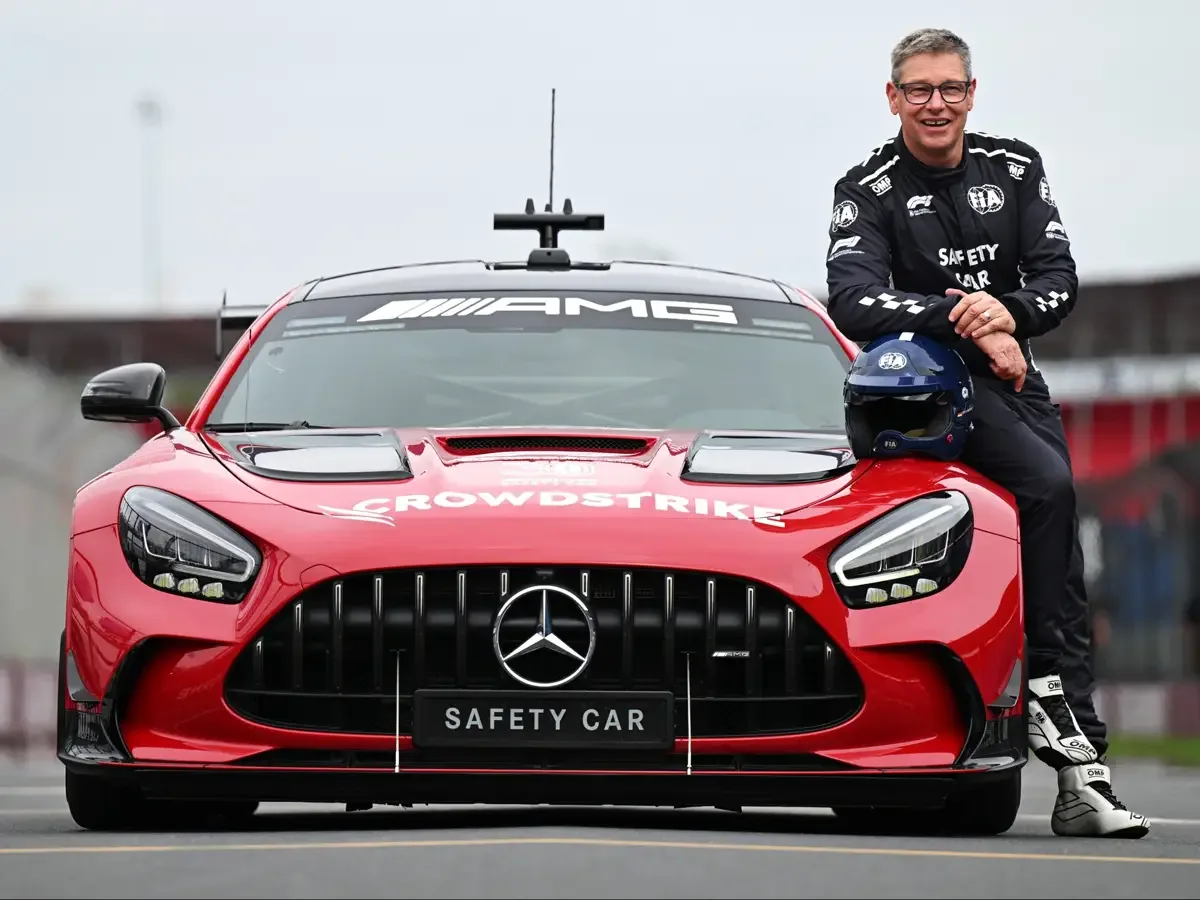
(Motorsport-Total.com) – There are moments in motorsport that are remembered not only for their tragedy but also for permanently changing entire systems. For Formula 1, the weekend at Imola 1994 is one of those. For Bernd Mayländer, it marks a decisive turning point in the development of safety structures.
Read more Risk of Rain in Canada: These Formula 1 Teams Could Have an Advantage
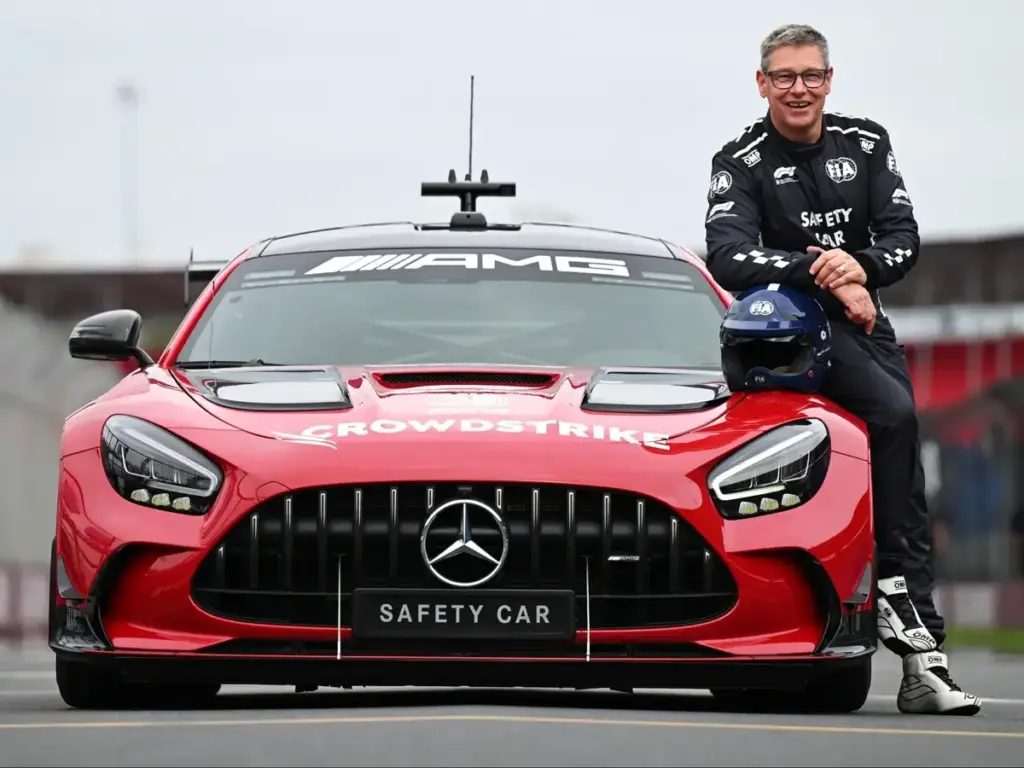
In the podcast F1 Beyond The Grid, he explains how strongly the events around the 1994 San Marino Grand Prix accelerated the professionalization of the safety car system.
“I think the medical car was always part of it, or let’s say ambulance,” Mayländer describes the early phase of safety organization in Grand Prix racing and the role of medical vehicles. “I don’t know exactly what happened before the 90s, but Sid [Watkins] was already there.”
Mayländer emphasizes the role of Sid Watkins
The world-famous British neurosurgeon Sid Watkins was the official chief medical officer of Formula 1 from 1978 to 2004. According to Mayländer, he had already been intensively advocating for improvements before the fatal weekend of 1994.
“I think since 1994 we all know who Sid Watkins is in motorsport and what he achieved. And then these things became increasingly important from ’93 onwards, as we had major accidents.” From these developments, the current structures within Formula 1 eventually formed over time.
“Sid’s task and also the safety and medical measures introduced in Formula 1 were really, really important, and we learned a lot,” emphasizes Mayländer. “That’s why we created a safety department and a medical department to have more opportunities to develop faster and better, together with all involved in Formula 1.”
Safety car through the ages

He particularly highlights the close cooperation of all involved, not just the world governing body: “It’s not just the FIA. We get support from the teams. We work together, and I think that’s a very important big step: that we work together. Thirty or forty years ago, it was completely different.”
Read more Formula 1: Bernd Mayländer explains the history of the safety car
The tragedy itself, in which Roland Ratzenberger and three-time world champion Ayrton Senna lost their lives, had profound effects on the further development of the premier class. These were the first fatalities in world championship racing since 1982.
When asked whether these events accelerated the introduction of a more professional safety car system in Formula 1, Mayländer answers clearly.
How today’s safety car system came about
“Absolutely. At that time, the safety car was provided for in the rules, but there were different vehicles and drivers from track to track, and only from about ’96 was a fixed driver used,” he compares.
As an example of this transition phase, Mayländer names Oliver Gavin: “He is a former racing driver, a very, very good GT driver, and he did it from ’96 to ’99. I took over his job because he stopped. He went to America to the American Le Mans Series. So that was my lucky moment.”
The decisive progress, the German safety car driver sees in the subsequent professionalization of the entire system: “That was the first step, having a fixed driver to be absolutely professional in his task, and then also a fixed brand as well as the same safety and medical cars at every track, because then you had standardized equipment.”
Read more Wache confirms: New Red Bull wind tunnel will not arrive until early 2027