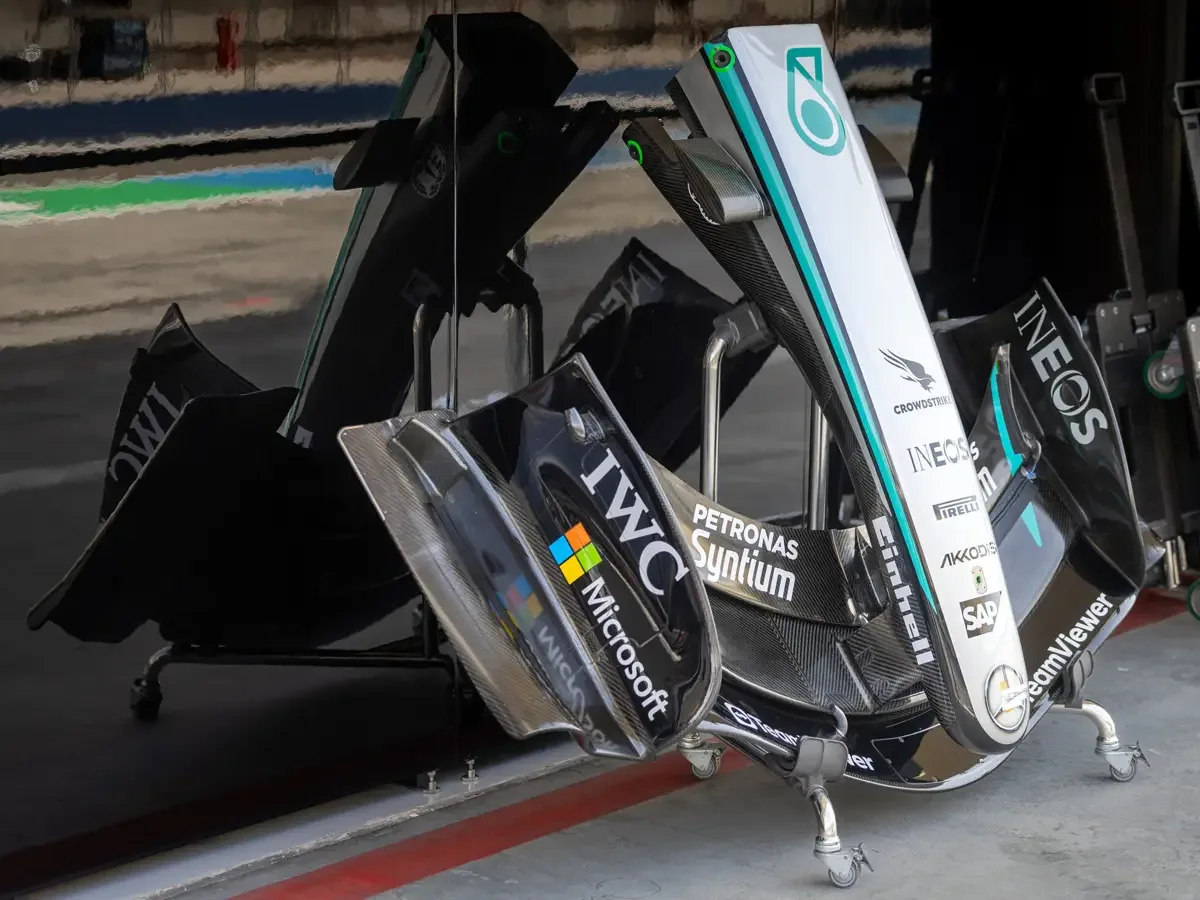
(Motorsport-Total.com) – Whether it’s unusual sidepods at Audi, a rotating rear wing at Ferrari, or an innovative engine concept at Mercedes: The new regulations open the doors for Formula 1 teams to new solutions to stand out from the competition. And the development race will continue continuously throughout the 2026 season.
Read more Red Bull & Oracle extend: With AI power into the 2026 engine era
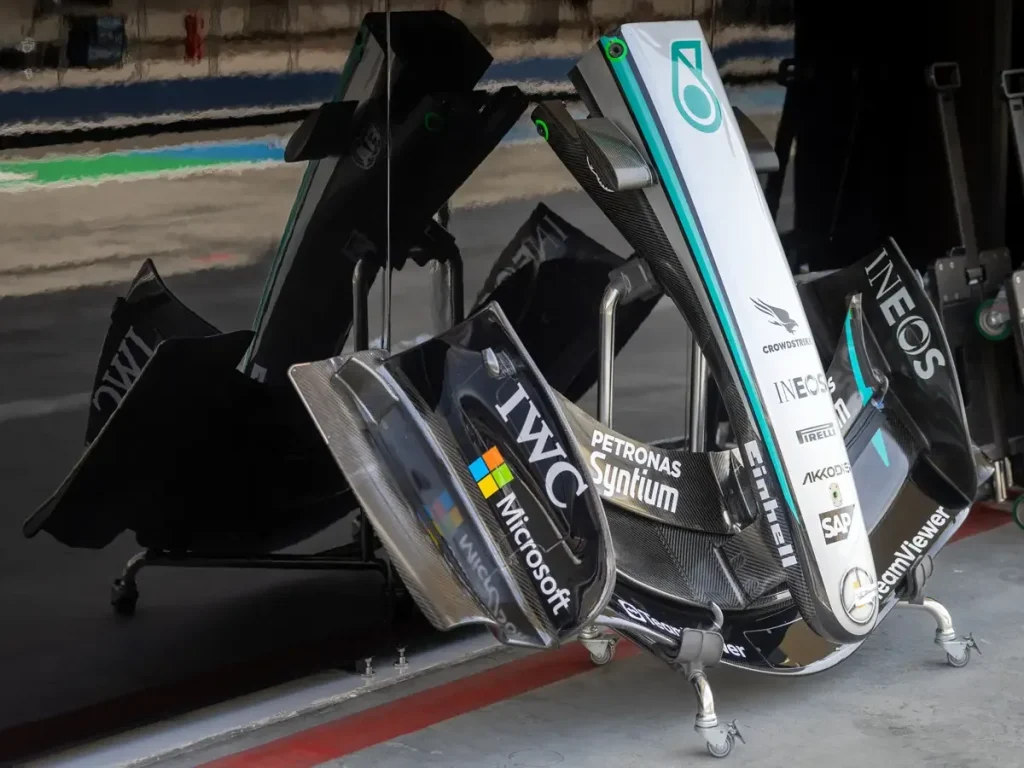
On one point, all teams agree: The cars on the starting grid at the finale in Abu Dhabi (6. December) will look very different from those starting next week at the opener in Melbourne (8. March). But it is precisely this dynamic that is currently causing headaches for those in charge.
The reason: the budget cap. Because now shipping costs also fall under the cost cap, as does the development of new components. This forces teams to carefully rethink their upgrade plan in order to introduce new parts at logistically optimal times.
“That’s tens of thousands, and if you neglect something like that, you burn through your money quickly. Yes, honestly, it affects the whole package,” emphasizes Alpine Sporting Director Steve Nielsen. “It even goes as far as how expensive it is to ship the parts – because that all falls under the cap.”
How smaller updates are transported
“Five years ago, no one paid attention to that. But these boxes we stumble over in the morning when you enter the paddock, they cost money to get here – and a lot. And that’s all part of your expenses. You can’t bring something to a race if it has to be transported by plane.”
Of course, alternative ways exist to transport smaller components. At the 2013 Chinese Grand Prix, the author of this article happened to stay in the same hotel as members of a team and rode with some of them in a minibus from the airport, with their luggage significantly exceeding what one would expect for a weekend.
“New aero parts,” one of them said with a certain understatement by way of explanation. But there are physical and practical limits: You can’t fit a new floor into your suitcase – no matter how carefully you pad it with socks and underwear.
For larger updates, sea freight or road transport remain, but both are slower and mostly limited to European races. At the same time, sporting competition further exacerbates the situation. If a team falls behind expectations, it may decide that the potential performance gain of an early update justifies the additional costs.
Read more After 30 years: Mario Isola leaves Formula 1 tire manufacturer Pirelli
Budget cap as a hurdle for the teams
But even this decision often entails further, uncalculated expenses. “It’s a trade-off,” Nielsen adds. “If it brings 20 points of downforce, of course you fly it in. If it’s only marginal, you don’t. I don’t know if other teams handle it that way, but we recently started looking closely at all expenses.”
Ten years of Liberty Media: How Formula 1 has changed
“How do we spend money? Do we manufacture something in-house or externally? Even if you use external service providers – and we do occasionally – there are phases when they are very busy, then the price is correspondingly high, and phases when there is less going on, then it is cheaper. Even that flows into maximizing your limited budget.”
The budget cap was originally brought into play in the late 2000s by then-FIA President Max Mosley, but initially did not prevail. Competitors met the concept with significant skepticism, even during the global financial crisis. Only more level-headed voices and the existential threat of the COVID-19 pandemic finally led to an agreement.
Ferrari Team Principal Vasseur: You have to be clever!
From 2021, the budget limit was set at 145 million dollars per year, with a gradual reduction to 135 million dollars from 2024 (plus 1,8 million dollars per race for each Grand Prix weekend above a base number of 21). It has since been adjusted to 215 million dollars.
However, this is not a real increase, but an adjustment for inflation and exchange rate fluctuations. In addition, several parameters have shifted this year: for example, the regulations for sprints and additional races, as well as various areas that were previously excluded from the cap but now fall under it, such as transport costs.
“This means we have to be clever to make the best use of the budget we have for development and to introduce upgrades within this framework,” Ferrari Team Principal Fred Vasseur said last year. “The earlier, the better – and the greater the effect, the better.”
“But it is by no means a given that you bring four or five updates in the first two races,” the Frenchman emphasized at the time. “If you have to send a floor to Japan or China, you burn half of your development budget …”
Read more Explained: What the new lights on the 2026 Formula 1 cars mean