(Motorsport-Total.com) – The Formula 1 sprint calendar could grow further in the coming season. But after an uneventful sprint in Zandvoort, the question arises again whether the format actually provides more excitement at every venue.
Read more Driver ratings Zandvoort: Alonso and Hülkenberg on the podium!

The technical problems in rail traffic from Amsterdam caused significant difficulties on Saturday morning of the Dutch GP. Thousands of fans had to worry about their arrival and risked missing the sprint. From the perspective of criticism of the format, that might not have been the worst news.
Because the 24 laps in Zandvoort offered little racing action. Overtaking maneuvers were scarce on the Dutch track, so the field moved in a procession over long stretches. The decision about positions depended mainly on tire performance. The sprint was commented on accordingly on social media. A frequently used phrase was: “This race could have also been an email.”
The sprint format is to be further expanded
The commercial rights holder of Formula 1 still plans to increase the number of sprint events. Critics see this as a problem if the format is used regardless of the characteristics of the respective track.
One argument for the sprints is that the reduced practice time gives teams fewer opportunities to optimize their setups. This can lead to unexpected power relations. Also, regular practice sessions are considered unexciting by many spectators because hardly any immediate sporting action takes place.
There are also economic arguments in favor of the sprints. Race organizers can sell additional tickets and offer spectators a competition on more days. However, the decisive factor remains that the races themselves generate enough excitement. A possible consequence would therefore be to concentrate sprint events more on tracks where overtaking maneuvers are realistically possible.
Zandvoort as an example of the format’s limits
Zandvoort was a particularly clear example. The track offers only a few realistic overtaking opportunities. If large parts of the field are also on comparable tires, a sprint can quickly become a sequence of cars that hardly change their positions.
The fact that Formula 1 still equipped the Dutch GP with a sprint can at least partly be explained by the importance of the weekend. It was the last Grand Prix in Zandvoort. In addition, race director Jan Lammers and his team significantly contributed to bringing the Dutch GP back to the Formula 1 calendar as a privately financed project.
Read more «He does it, he does it, he does it»: That’s how crazy Norris’ «winning move» was
The next sprint, on the other hand, takes place in Singapore. There, too, overtaking opportunities are limited. This again raises the question of whether the sprint format is actually suitable for every track.
Formula 1 has already changed the sprint format
Formula 1 has already adjusted the format several times since its introduction. At the first three sprint events in 2021, qualifying was held on Friday. Its result determined the starting grid for the sprint on Saturday. The sprint result in turn set the starting grid for the Grand Prix.
All winners of sprint races in Formula 1
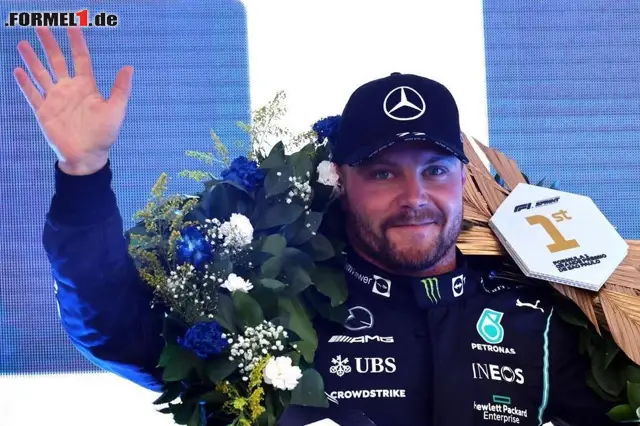
However, a problem quickly became apparent: the sprint often did not fundamentally change the order of the field but ultimately lined up the drivers again according to their actual pace.
Subsequently, the format was further developed. Today there are separate qualifying sessions for sprint and Grand Prix as well as separate parc fermé rules. This largely decouples the sprint from the main race and no longer influences its starting grid. The development thus shows that Formula 1 was indeed willing to correct weaknesses of the original concept. Critics therefore demand that the current variant also be further questioned.
Domenicali defends the development of Formula 1
Formula 1 CEO Stefano Domenicali sees the development of the sport from a different perspective. He points out that the Formula 1 fan base is now very diverse and not every viewer pursues the same interests.
Already in connection with the technical rules for 2026, Domenicali caused discussions with a statement. In an interview with the Dutch newspaper De Telegraaf, he says with regard to technical details: “There are hardcore fans who talk about clipping during a Formula 1 weekend, but there will also be many who think a clip is something you put in your hair.”
The debate about the value of sprint events is likely to continue. While Formula 1 mainly emphasizes the additional sporting and commercial offering, critics still question whether more sprints automatically mean more entertainment. The decisive factor is likely not only the number of sprint weekends but also on which tracks they take place.
Read more Colapinto-Mercado Libre Sponsor criticizes FIA after Zandvoort penalties