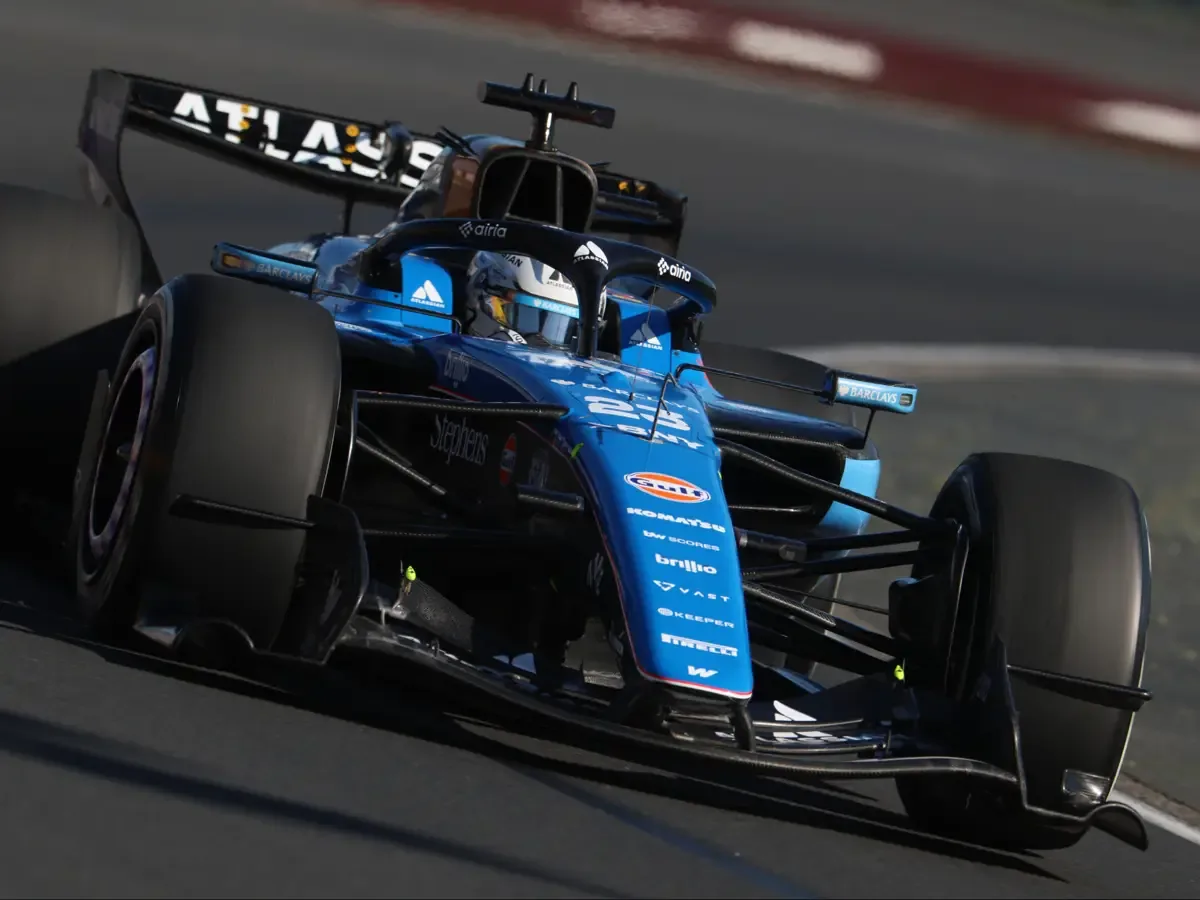
(Motorsport-Total.com) – Williams driver Alexander Albon had imagined the start of the new Formula 1 season differently: The Thai-British driver finished 15th in both practice sessions on Friday ahead of the Australian Grand Prix (here is the complete schedule) and thus remained well behind his own expectations.
Read more Formula 1 live ticker: McLaren ahead on Friday, Aston Martin at the back
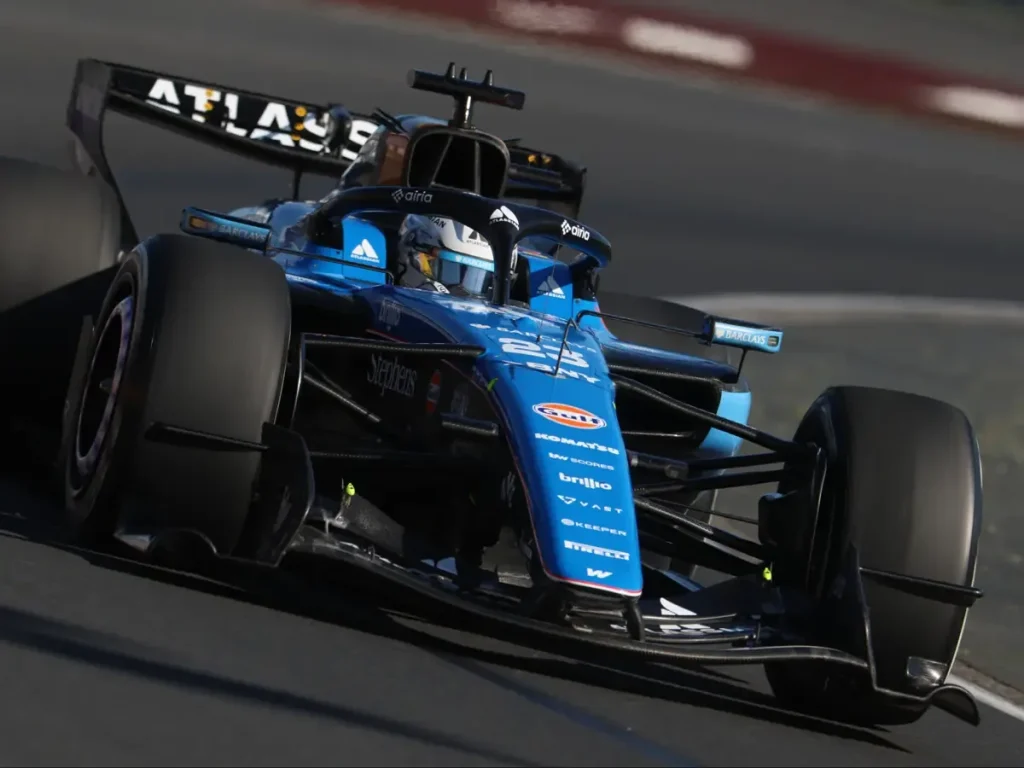
“We are a bit behind,” Albon admitted on Friday evening, adding: “We had problems with the data and with many other things. So we first have to see what we can learn from it and then implement that by tomorrow.”
The car still needs “some fine-tuning,” says the Williams driver. “I think the biggest part of it lies in the deployment and understanding the deployment. That’s our biggest incentive at the moment. But we also need to improve in terms of set-up and driving feel.”
Long run for Alex Albon “not really pleasant”
In plain terms: “We are behind, but there is clearly a lot we can improve,” says the 29-year-old. “I did a very short long run, which was also the only long run we’ve done between both cars today so far, and it wasn’t really pleasant.”
The long-run analysis also shows: Albon was on average 2,82 seconds per lap slower than the competition; only Cadillac driver Valtteri Bottas was even slower. However, Williams is currently worried not only about race pace but also about qualifying performance.
Read more Laurent Mekies: FIA should only ban what it can also control
“We still have work to do in understanding the energy delivery on this track and finding out how to use it most efficiently and recover energy,” Albon admits. “We will spend a lot of time overnight with the simulator team and use simulation tools to develop a better set-up for tomorrow.”
“It doesn’t always make sense behind the wheel”
“It’s already very difficult, but at the moment we’re not seeing the worst of it yet,” the Williams driver describes his first impression. In some laps, you gain or lose a lot of time. “It doesn’t always make sense behind the wheel, but that’s just part of diligent learning.”
Williams chief engineer Angelos Tsiaparas also reminds that Albert Park in Melbourne is a “low-energy” track. “Therefore, a major focus on the engineering side was on driving styles and techniques we can develop to maximize energy generation and deployment,” he says.
“Tomorrow we have another practice session to optimize that before qualifying,” Tsiaparas adds, and Albon also emphasizes: “There is a lot we can improve before qualifying, and it’s all part of the learning curve.”
Read more Opinion: Should drivers be allowed to criticize Formula 1?