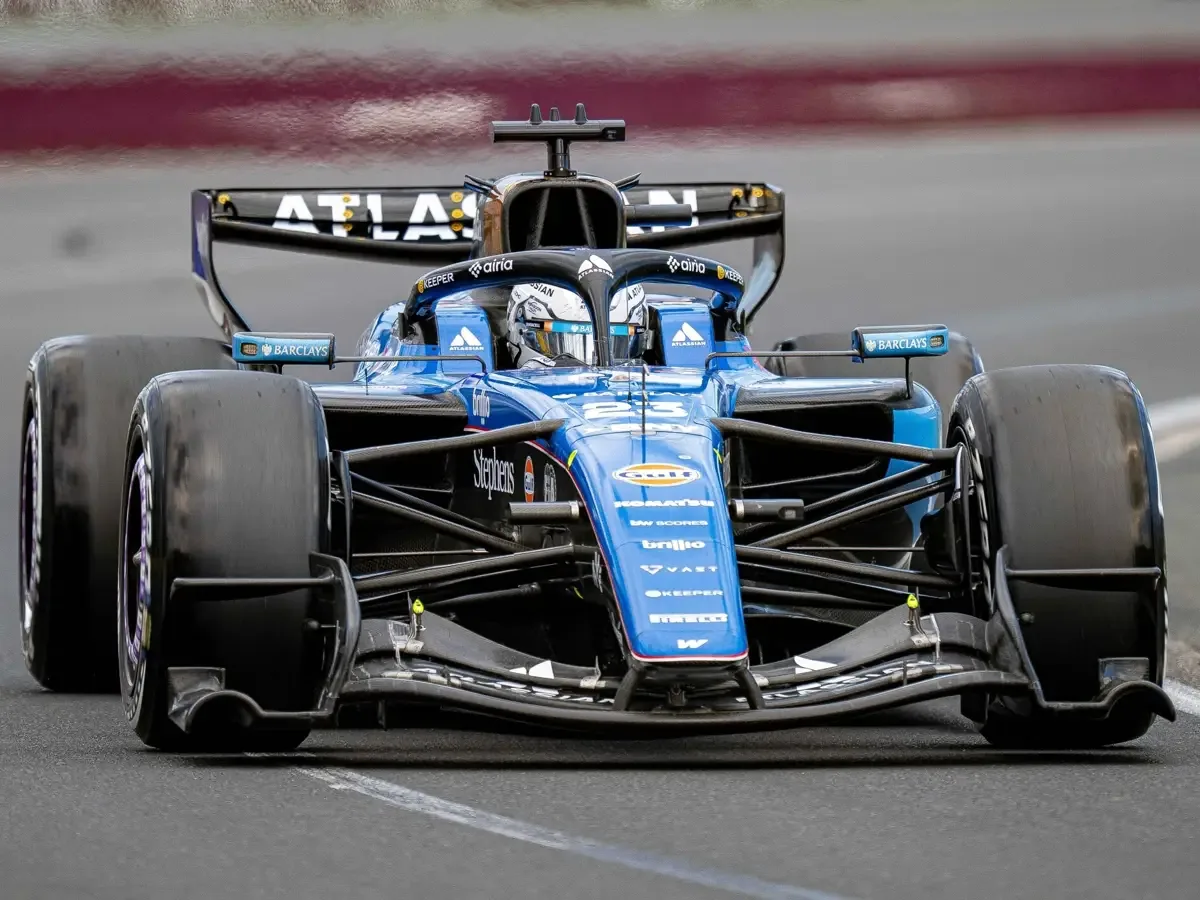
(Motorsport-Total.com) – “It’s different than twelve months ago, that’s clear.” This is how Alexander Albon relatively precisely summarizes Williams’ scoreless 2026 Formula 1 season opener in Melbourne. While the 29-year-old finished a strong fifth at the same venue a year ago, this time he did not get past P12.
Read more Lots of action, many doubts: Initial verdict after the debut of the new F1 rules
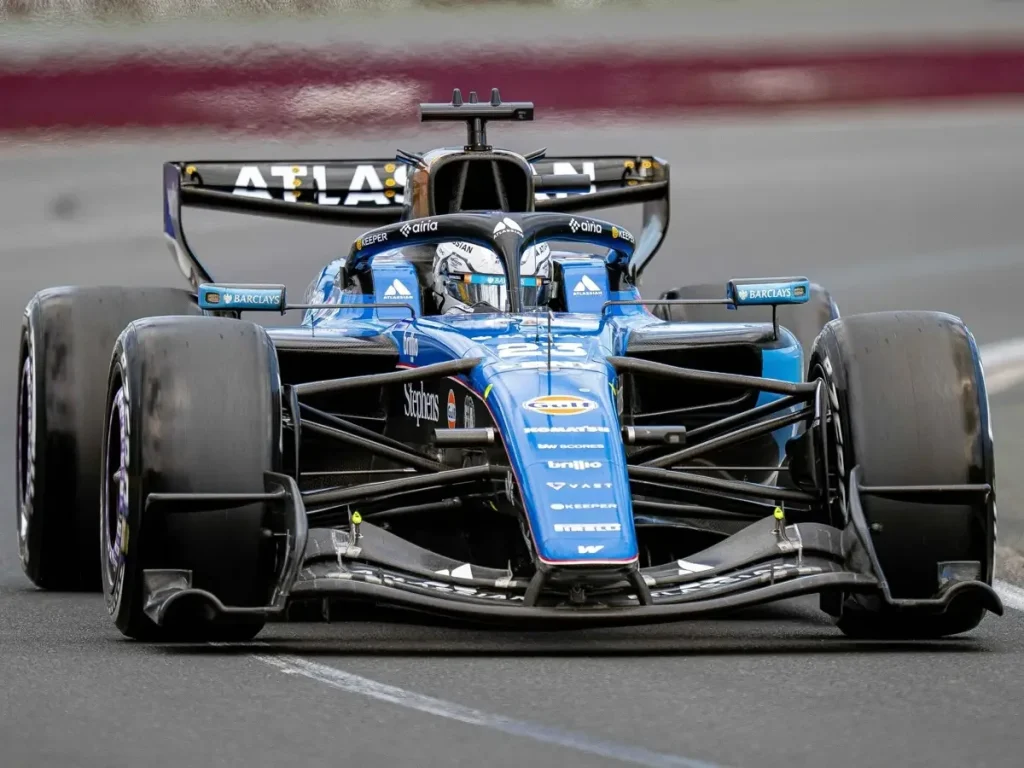
A result that is even flattering for Williams. With Isack Hadjar (Red Bull), Oscar Piastri (McLaren) and Nico Hülkenberg (Audi), three drivers retired who would normally have likely finished well ahead of Albon and teammate Carlos Sainz (15th).
“Currently we are in no man’s land and not really fighting against the midfield,” says Albon, who finished one lap behind winner George Russell in the Mercedes and more than 25 seconds behind the points positions. A “painful” gap, as he says himself.
“We have to find at least half a second [per lap] to even think about being part of this midfield battle,” says Albon. In fact, Williams only finished ahead of Formula 1 newcomer Cadillac and struggling Aston Martin in Melbourne.
All other eight teams took points away from Australia, which is why teammate Sainz also explains that the situation is “worse” than “I had expected for this season.” The Spaniard clarifies: “I had expected much more from the car and from our potential.”
Where exactly the Williams problems lie
In fact, the problems in Grove were already brewing in the winter. Williams was the only team that had to completely skip the shakedown in Barcelona in January. Although they were later able to participate in the two test weeks in Bahrain, it already became clear to Sainz and co. that the FW48 was not the great success they had hoped for.
This was confirmed in Melbourne. “I think we were 2.2 seconds [per lap] behind Mercedes, which ultimately must be our reference,” Sainz emphasizes. Williams had actually hoped to close the gap to the top under the new 2026 regulations.
In fact, the gap has become much larger, at least for now, and Williams has also fallen significantly behind within the midfield. At least: “We know where all this lap time is, and we have to put the car on a diet as quickly as possible,” Albon emphasizes.
“However, it’s not just about weight, but also about performance, because we lack downforce. In qualifying, compared to cars like Mercedes, we could see very clearly how much we are lagging behind here in some of the high-speed corners,” he admits.
Teammate Sainz also specifically names three points that Williams must improve as quickly as possible: “First: No more reliability problems. Second: Reduce the weight of the car. And third: Develop an aerodynamic concept that is better than the current one.”
Why weight is the biggest problem
While those are the three biggest points according to the Spaniard, the list of problems at Williams does not end there. Team Principal James Vowles also explains that the team still needs to understand how to best use the Mercedes engine under the new regulations.
Read more How the new Red Bull Ford engine project fared in Australia
Albon also reports that they struggled with graining in Melbourne on Sunday. It was therefore impossible for Williams to get through with one stop. “But I think that’s partly because we had no downforce,” says Albon.
The numerous problems in Grove are therefore partly related – and some of them will not change anytime soon. While Vowles says it will take “a few races” to perfectly understand the engine, the weight issue is likely to accompany Williams for longer.
“It’s not complicated to bring [the weight] down,” Vowles says fundamentally. In theory, solutions already exist to have the car “well below the weight limit,” according to the team principal. In practice, however, this cannot be implemented immediately.
“If there were no cost cap, I would implement it tomorrow. It would be done in a few weeks,” says Vowles. But because of the budget cap, Williams cannot immediately start manufacturing new and therefore lighter components for the car.
According to Vowles, the lighter parts can only be introduced due to the cost cap when the current components have reached the end of their service life anyway. And that will take “about six races,” according to the team principal.
Why Williams is still not writing off 2026
“The cost cap is still very positive,” Vowles clarifies. But on this point, it is working against Williams. Despite the long list of problems, Vowles interestingly explains: “I still have the firm intention to fight for P5 in the championship.”
“It’s just that the gap to the teams ahead of us, the hurdle we have to overcome, is enormous,” he knows. Because P5 would mean that Williams, as in the previous year, would finish at the top of the midfield behind the four top teams Mercedes, Ferrari, McLaren, and Red Bull.
The slowest teams in Formula 1 winter testing
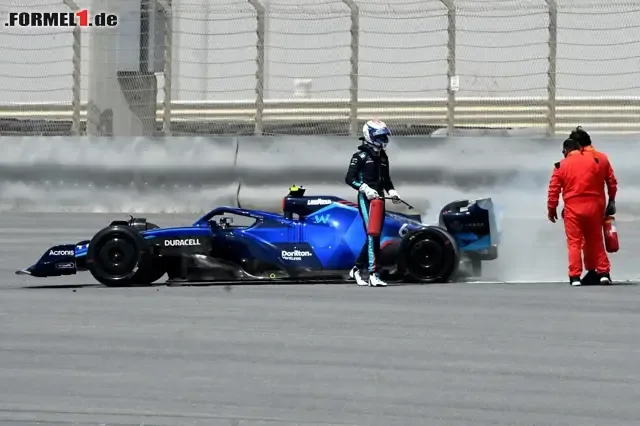
However, they were clearly far from that, at least in Australia, and Albon explains in view of the points already mentioned by Vowles: “I don’t think it will be any easier in China, and we have to see what we can do for the next races.”
Nevertheless, he also doesn’t want to write off the season yet. He emphasizes: “It’s not worse than 2022. It’s painful. We’ve been in this situation before. We’ve managed to turn things around before.”
Vowles also explains in this context that everything learned this year will also be helpful in 2027 because the regulations will remain stable in the coming years. However, the next few months could initially hold more “painful” races for Williams.
Read more «Very dramatic»: Why Andrea Stella is now sounding the alarm