(Motorsport-Total.com) – Last week, a meeting of the Formula 1 Commission took place, where various concerns regarding the 2026 rules were discussed. McLaren team principal Andrea Stella had previously mentioned three major concerns regarding the new power unit regulations for Formula 1, and a fourth was added later.
Read more Analysis: What would actually be «a success» for debutant Cadillac in 2026?
This year, Formula 1 is introducing completely new regulations. The new engine is more dependent on electrical energy. This is expected to significantly change the racing style in 2026, as energy recovery (“harvesting”) will play a larger role. But that is exactly what creates new challenges.
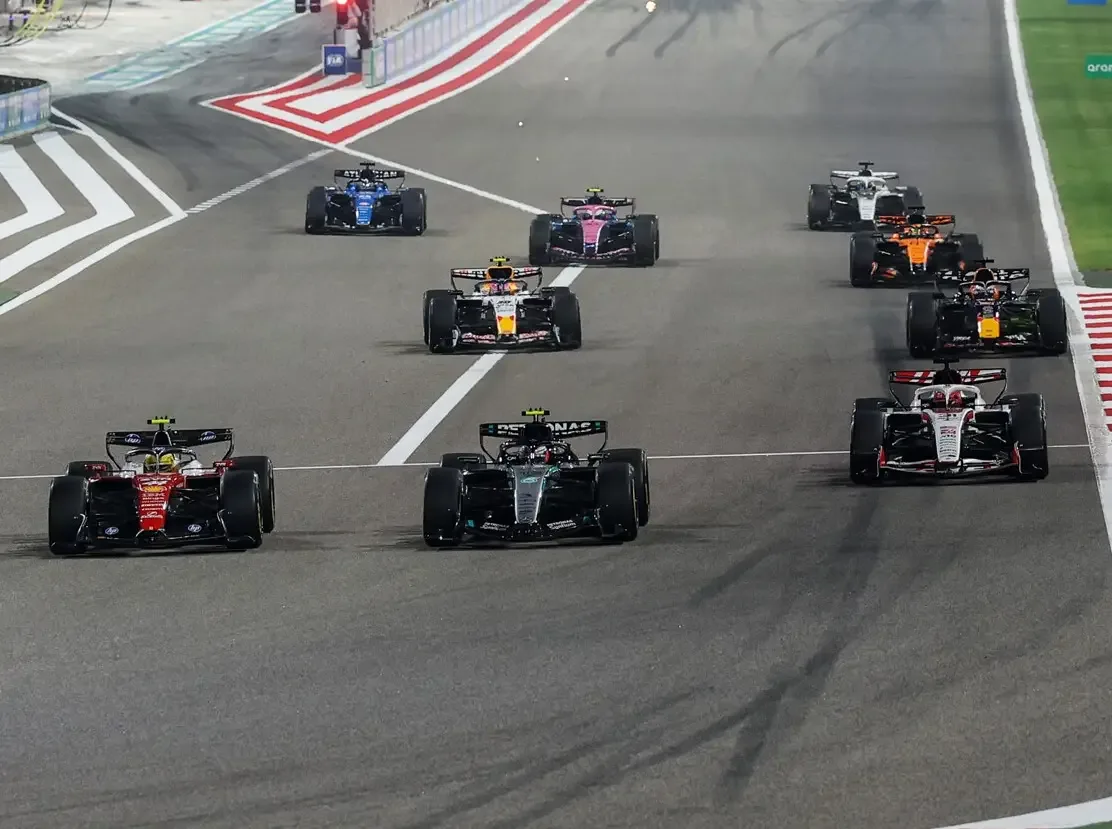
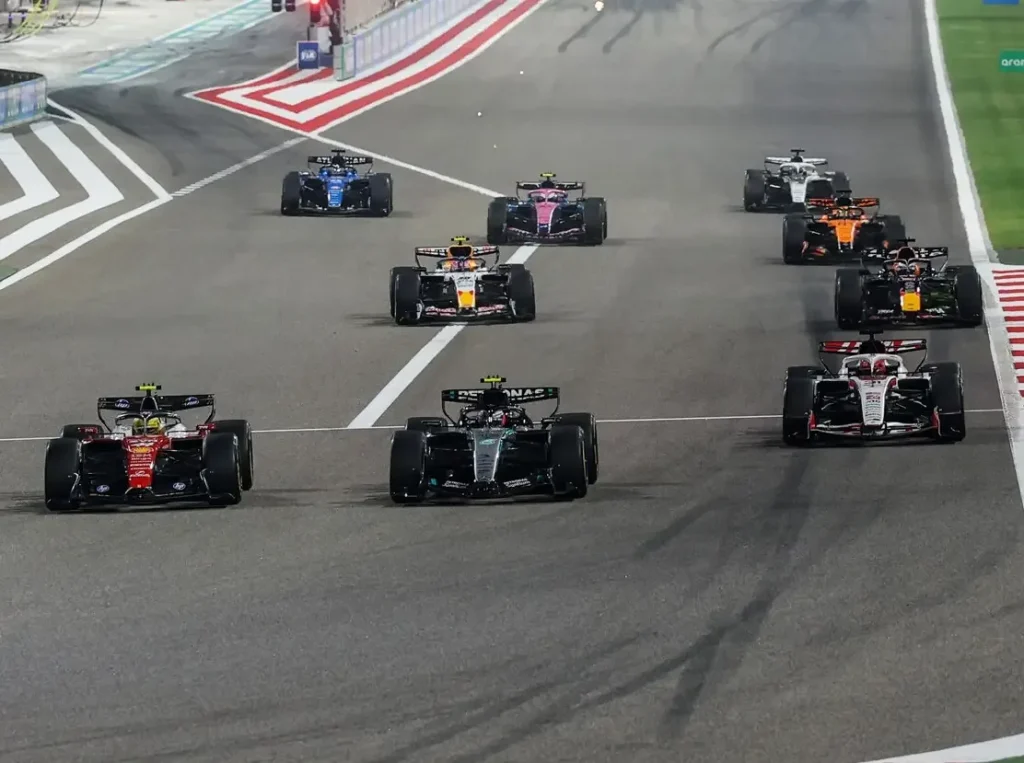
Stella mentioned his points of criticism at the end of the first week of testing in Bahrain. The first concerned race starts. In recent years, these have been almost perfect and without delay, but that was largely thanks to the now-abolished MGU-H. Without it, the process becomes significantly more complex.
Drivers must rev their engines for at least ten seconds to get the turbocharger up to speed. If the timing is missed, the engine can fall into anti-stall mode, and drivers at the back of the field may not have enough time at all to reach the necessary RPM level.
Stella therefore demanded that “all cars must have their power units ready to start, because the starting grid is not the place where you want to have slow vehicles.” Formula 1 responded to this, and at the end of each test session in the second Bahrain week, system checks were carried out, which also included simulated race starts with different procedural variants.
“Straight Mode” too dangerous at the start
According to Stella, the second problem concerned “lift and coast,” i.e., lifting off the accelerator at the end of a straight to collect energy. This principle is causing discussion. Max Verstappen, for example, described it as “Formula E on steroids.”
Another problem is that the cars are so heavily designed for energy efficiency that they could run out of battery power early. Furthermore, there is no longer a DRS-like system to gain additional speed when overtaking.
This is further exacerbated by the fact that the tests took place in Bahrain and Barcelona, and thus on tracks that are well-suited for energy recovery. Other circuits like Jeddah or Melbourne, on the other hand, have long straights and many corners, but less intense braking zones for charging the battery.
These concerns were all discussed in the Formula 1 Commission. According to Stella, a fourth topic also came up: the so-called “Straight Mode.” This new system for 2026, when activated, changes the orientation of the front and rear wings to a lower angle of attack. This reduces aerodynamic drag.
Read more Gerhard Berger on new rules: «Something inside me resists»
Stella explains: “The fourth topic was whether the ‘Straight Mode’ can be used from the start to the first corner. Overall, we are satisfied that all points were taken up and discussed, and I think the measures at the start are very positive.”
“I believe this will enable everyone to optimally prepare their power unit, even if there are still significant differences in start performance,” said the McLaren team principal.
Overtaking: Stella sees “some possible solutions”
While the start problems thus seem largely resolved, the other concerns remain – especially regarding “lift and coast.” On Friday, however, a possible solution was tested: increasing the so-called “superclip” power from 250 to 350 kilowatts.
“Superclipping” refers to the state when the MGU-K works against the engine at full throttle. Stella explains: “With ‘lift and coast,’ we as the Formula 1 community must be careful, because Bahrain does not necessarily show how great the need actually is.”
“It is a track with good energy recovery zones, so you can store enough energy during braking and don’t need special maneuvers that could surprise the driver behind,” he emphasizes.
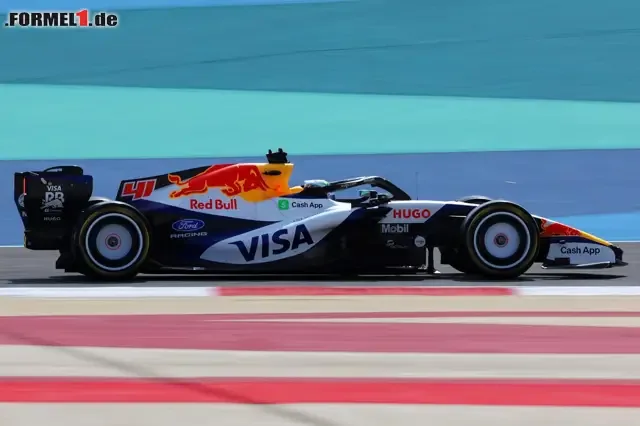
The 2026 Formula 1 cars in their final designs on the racetrack
“So [on Friday] we conducted a test to increase the ‘superclip’ to 350 kilowatts. This allows the driver to harvest this energy at full throttle without having to lift off the gas. We discussed the topic with the FIA. Ultimately, it is up to them whether this is introduced or not. The test was successful, and we are satisfied.”
Regarding “Straight Mode,” Stella continues: “As for overtaking, I see some possible solutions. However, that is probably still a bit in the future. The FIA will look at the first races and then decide. We at McLaren have already said that the conditions are in place to take action soon.”
“But we follow the FIA’s lead, and it seems to be a general agreement not to use ‘Straight Mode’ from the start to the first corner. Even if this still needs to be formally confirmed, there is a broad consensus in the paddock.”
Read more Gerhard Berger on new rules: «Something inside me resists»