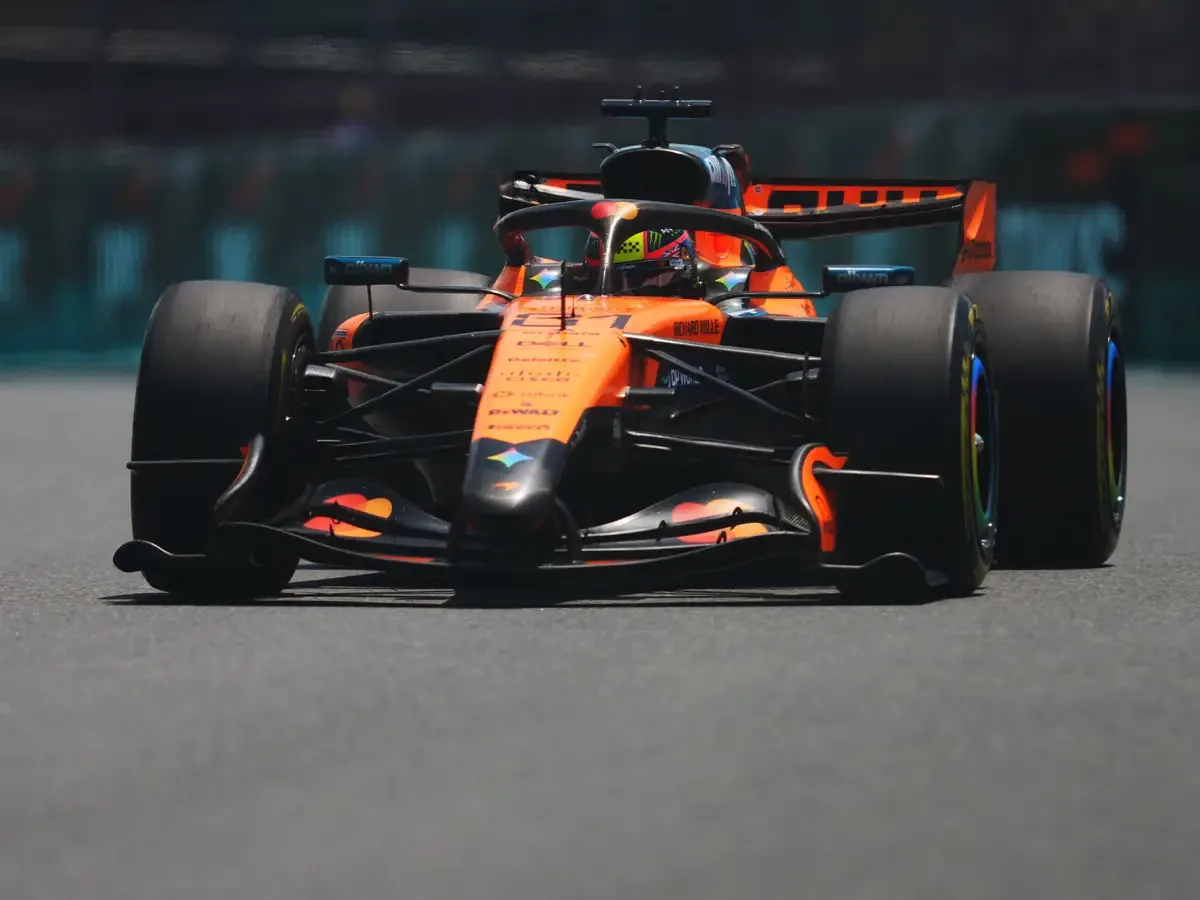
(Motorsport-Total.com) – The current generation of Formula 1 cars is once again under criticism – this time because of their weight. Although the cars were lightened by around 30 kilograms compared to the previous year, from the drivers’ perspective the effect remains limited.
Read more Because of two millimeters: Isack Hadjar faces loss of Miami starting spot
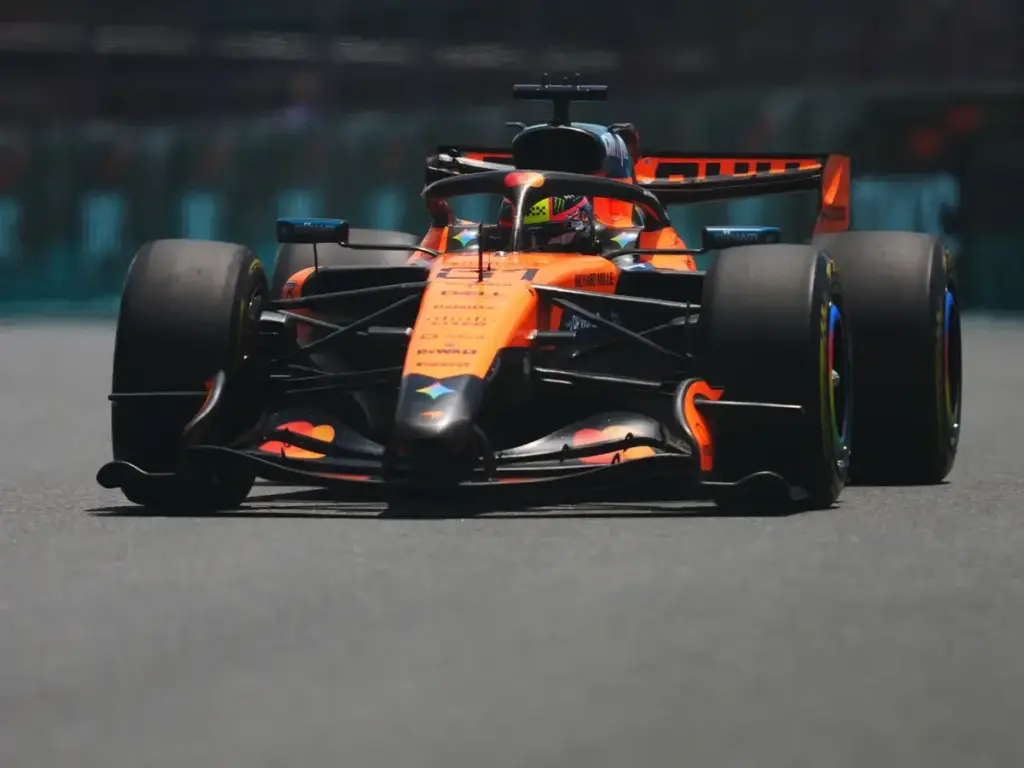
Nico Hülkenberg puts it bluntly: “To be honest, it’s 30 kilos. I don’t know if you really feel that.” Although the proportions have changed, which conveys a different driving feel, it is not a real breakthrough. Only in slow corners could the cars seem a bit more agile – highly dependent on the respective vehicle concept.
This confirms an impression that has persisted since the introduction of the new generation of regulations: Despite adjustments, the cars are still too heavy to deliver the classic, uncompromising Formula 1 feeling.
Piastri is clear: “50 to 100 kilos need to come off”
Oscar Piastri puts it even more clearly. For him, the current reduction is just a drop in the ocean. “To really feel a big difference, it would probably have to be more than 50 kilos – closer to 100,” explains the Australian.
His target is clear: a minimum weight in the area of 600 kilograms or slightly above. For comparison: In earlier years – around 2008 – the minimum was about 605 kilograms. A return to this region would already bring a noticeable effect according to Piastri.
However, he also sees the limits: “We will never get back into the 500-kilogram range.” The main reason lies in the complex hybrid technology, especially the heavy batteries and electrical components.
Technology as an obstacle: Weight is in the system
The cause of the high weight is deeply rooted in the technical concept of modern Formula 1. The current power units combine powerful combustion engines with elaborate hybrid systems – an approach intended to promote efficiency and sustainability but inevitably brings weight.
Piastri hints that simplifying the engines could be a possible solution: “If the powertrains were simpler, a lot of weight could be saved.” But here lies the dilemma: Such a measure would call into question the fundamental direction of the series.
Read more This is how Formula 1 reacts to the death of Alessandro Zanardi
Sergio Perez also supports this assessment. The Mexican agrees with Piastri and also sees significant room for reduction – at least theoretically.
Driving feel vs. reality: What makes a “monster”?
Behind the debate lies a fundamental question: What actually defines a modern Formula 1 car? For many drivers, as low a weight as possible is inseparably part of the character of the top class. Lighter cars respond more directly, are more agile, and convey a more intense driving experience.
At the same time, the current cars show that impressive performance is possible even with higher weight – especially in fast corners. Piastri points out that the high-speed performance of the latest generation has been among the best ever.
This illustrates the conflict of goals: More weight does not automatically mean worse cars, but it changes the way they drive and feel. This is exactly the core of the current discussion.
Future open: Radical diet or compromise?
Whether Formula 1 will actually find a way to significantly reduce weight remains open. What is clear, however, is that without fundamental changes to the technology, it will hardly be possible to reach the values demanded by the drivers.
The discussion fits seamlessly into the larger debates about the future of the series – for example about engine concepts, efficiency, and drivability. Ultimately, it is about finding a balance between technological innovation and the classic claim of Formula 1 as the ultimate driving machine.
One thing is certain: The desire for “real monsters” lives on in the paddock. But the path there is complex – and inevitably leads through difficult decisions.
Read more Rain in Miami: Why Formula 1 Could Even Benefit From It