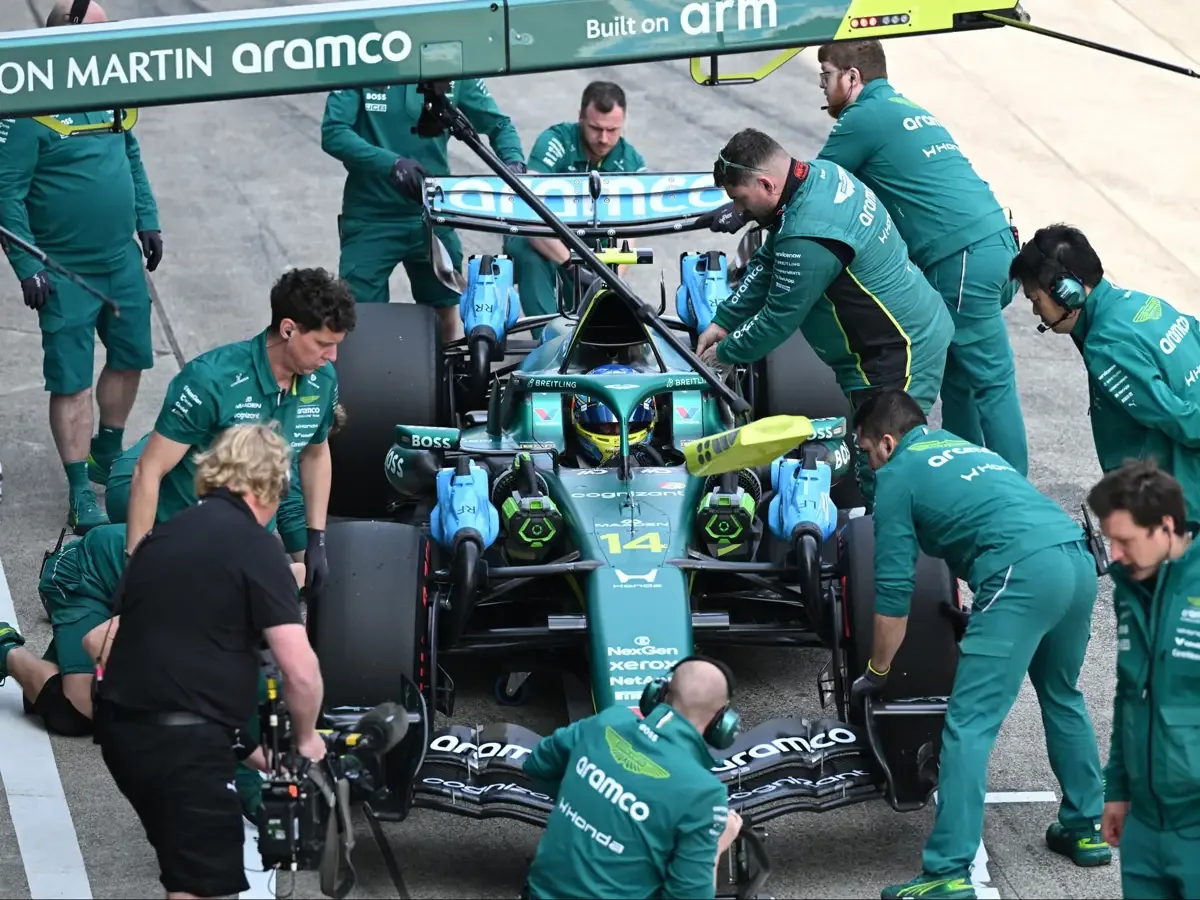
(Motorsport-Total.com) – HRC President Koji Watanabe says Honda cannot solve the current vibration problems in Formula 1 alone. Support from Aston Martin on the chassis side is required.
Read more Formula 1 Live Ticker: Mercedes also unbeatable in Japan
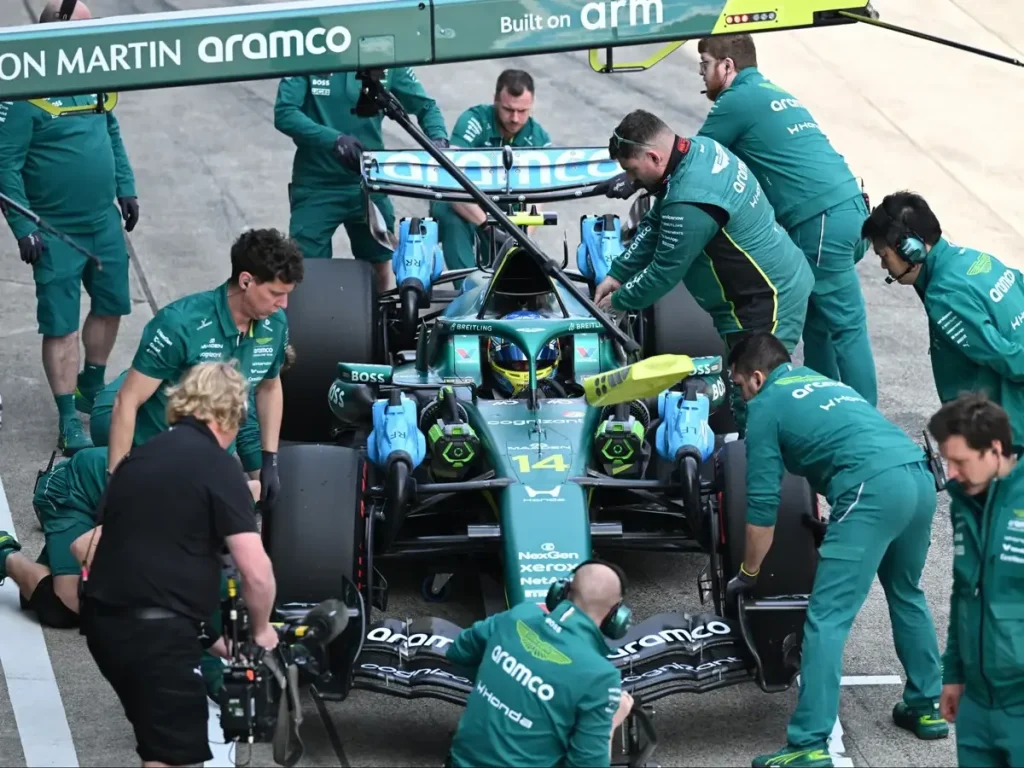
Since the first test drives of this Formula 1 season, vibrations have been plaguing Aston Martin and Honda. The consequences are twofold. First, the vibrations damaged the battery, leading to reliability problems and very limited test mileage for the Silverstone-based team.
In addition, the problem has physical effects on Fernando Alonso and Lance Stroll. The two-time world champion said in Shanghai that he had “started to lose all feeling in his hands and feet” before he had to retire at the Chinese Grand Prix.
“Real test bench” not real enough
During the home race in Suzuka, Honda admitted that the effects of these vibrations had not been fully visible on the test bench.
“During the pre-season tests in Bahrain, we identified a significant vibration problem,” explained HRC President Koji Watanabe. “On our so-called real vehicle test bench, the vibration level was not particularly high.”
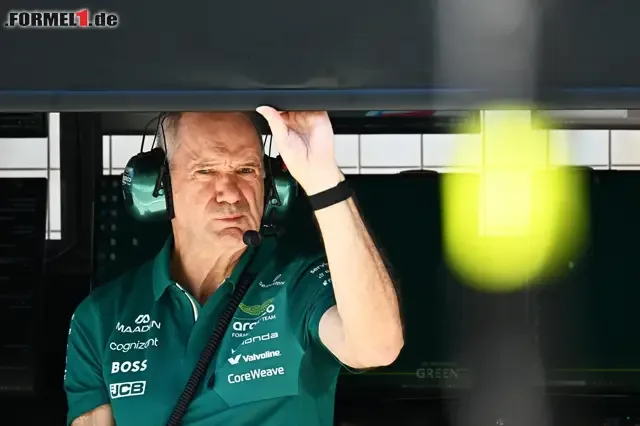
All Formula 1 team principals of Aston Martin
“However, very large vibrations occurred as soon as the power unit was integrated into the actual vehicle and used on the track.”
Improvement for the drivers will take more time
Honda states that the vibrations appeared to be at an “acceptable level” during the test bench trials. However, the true extent only became clear when the power unit was integrated into the Aston Martin chassis.
This also made solving the problem more difficult, as Honda had very limited data from the winter tests. The interaction with the chassis could not be fully replicated in a virtual environment.
“After that, we were unable to conduct any further on-track tests before the season opener,” Watanabe admitted. “Instead, we tried various countermeasures on the test bench and brought one of these solutions to the opening race, where it showed some effect.”
Drivers suffer more than the battery
“By the second race, this effect had improved further. The so-called aggressiveness of the vibrations towards the battery has now been significantly reduced,” said Watanabe. “It is still not ideal, but we are no longer at a level where the battery is being damaged.”
Read more After problems in China: «Terrible start» for McLaren in Japan
This solves part of the reliability problem, or at least mitigates it for the battery. However, the Chinese Grand Prix showed that this is only part of the story.
The physical effects on the drivers remain. Watanabe admitted that fixing them will take more time.
“Our main focus was on reducing the impact of vibrations on the battery. In the future, we will also work on mitigating the vibrations that affect the driver. However, that will take more time.”
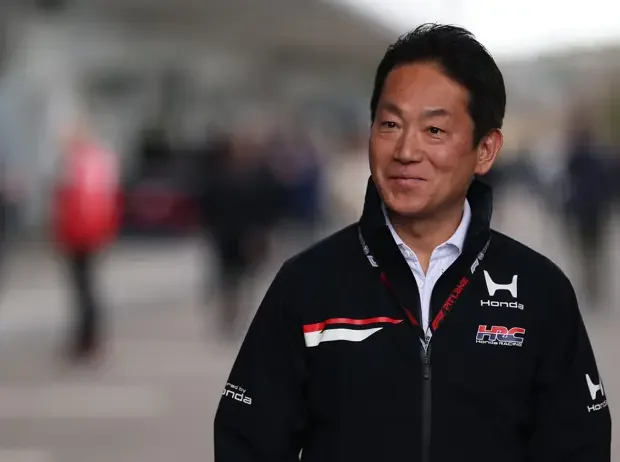
“Since we have not yet fully identified the cause, the only approach is to proceed step by step.”
Help needed from the chassis side
Since the problem only occurred after the engine was integrated into the chassis, the Japanese manufacturer needs help from Aston Martin to solve it. This concerns the interaction with the chassis, which needs to be improved in several areas.
“I believe so. Enrico Cardile [technical director of Aston Martin] is also currently working closely with us. This is not something that can be solved by the power unit alone. When it comes to vibrations, we tackle it together, with a shared understanding of the problem,” said Watanabe.
Effective communication between both parties is crucial, but Watanabe emphasized that good progress is being made here.
“Those responsible for the day-to-day work are functioning well and maintaining close communication. Therefore, we consider it important to support them by promoting an open and cooperative partnership that enables them to work effectively.”
Solving the vibration problems is crucial to being able to finish races at all. However, Honda knows that this is only the first step of a steep learning curve. After that, the focus will be on pure performance improvement.
Read more «Misunderstanding»: Why Aston Martin Noticed Honda’s Problems Late