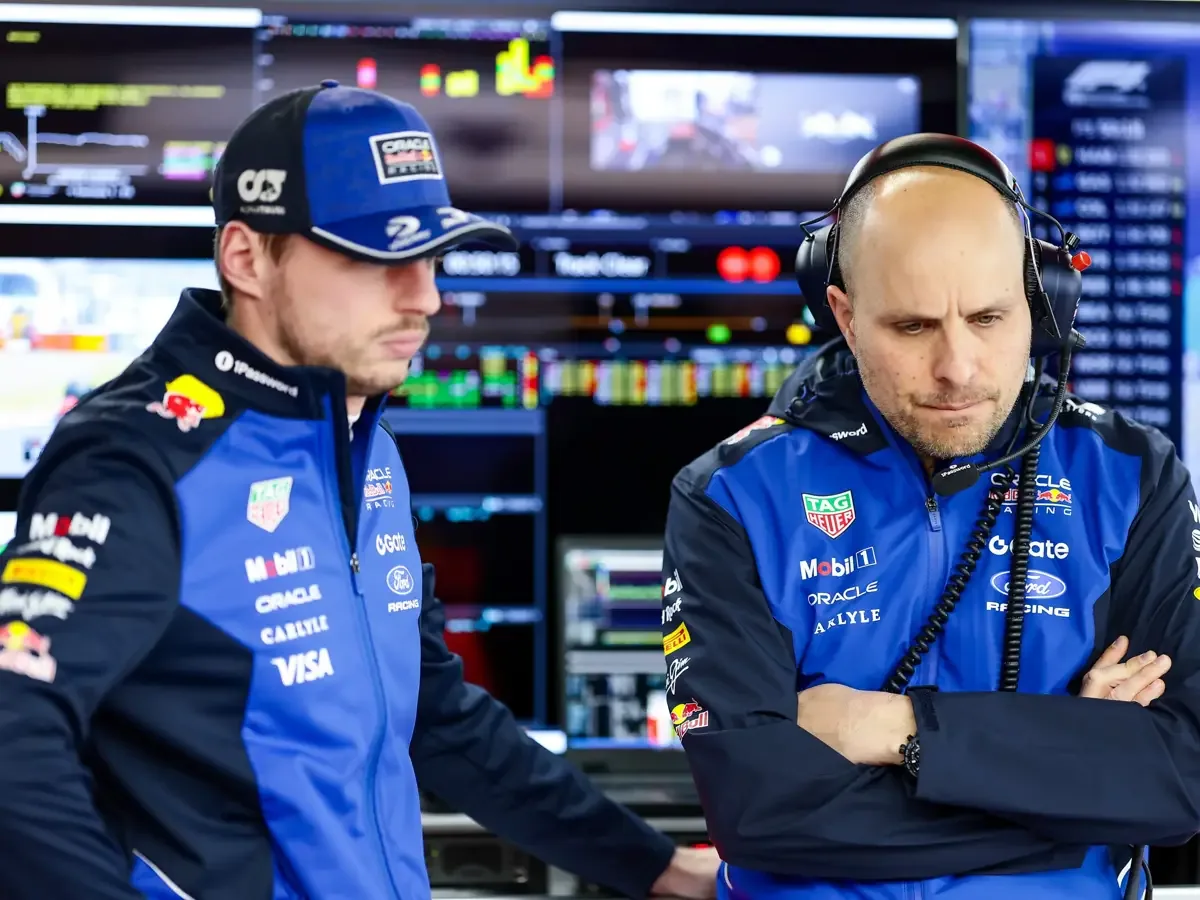
(Motorsport-Total.com) – When Max Verstappen appeared in the media round after qualifying in Suzuka, journalists were presented with an almost identical picture to the one in Shanghai. Although the Dutchman took plenty of time for the press, his statements were like a declaration of bankruptcy. This time it wasn’t about political infighting or technical regulations, but about the naked reality at Red Bull: the team is in a deep crisis.
Read more Honda cannot solve problems alone, help from Aston Martin needed
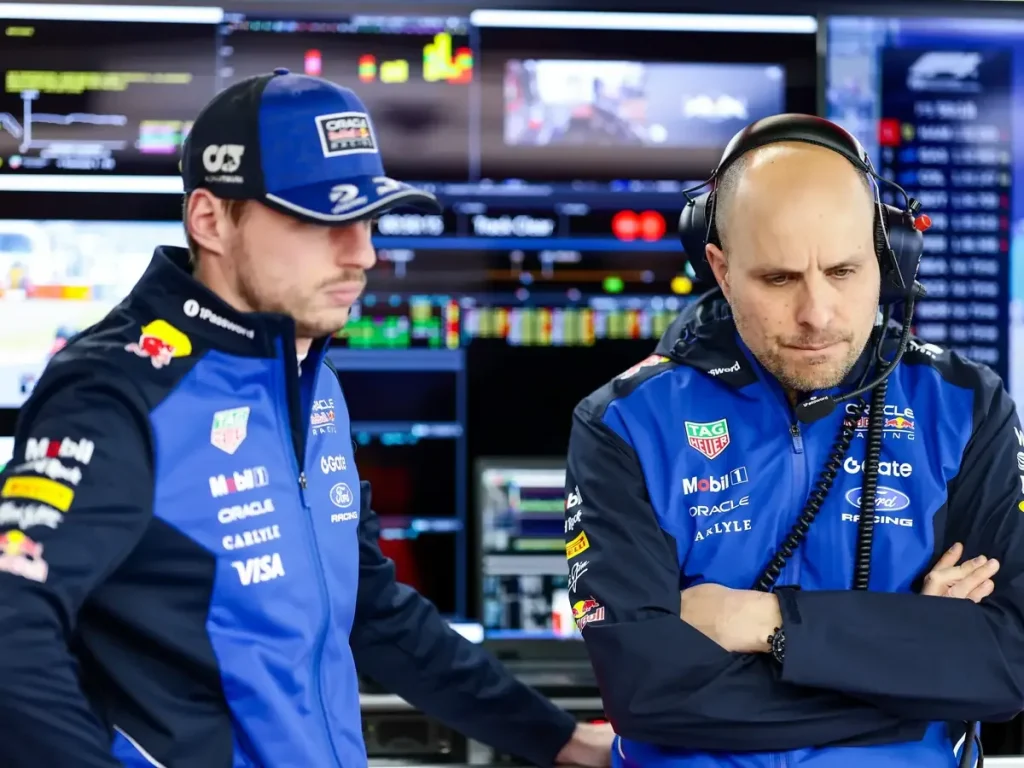
When asked if he was disappointed given the current material, the four-time world champion gave a deep insight: “Well, I’m not even disappointed anymore, I’ve long since passed that point. I’m far beyond any disappointment and I don’t even know what to call it. The bad thing is, I’m literally at a loss for words – and that’s definitely not a good sign.”
When a reporter brought up the word “resignation”, Verstappen just nodded dryly: “Yes, that might hit the nail on the head. But that is obviously fatal.” It is a drastic assessment, because right now the technical team around Pierre Waché would need the unconditional commitment and feedback of its star pilot more than ever.
A car out of control
Despite a completely different track layout, the Dutchman struggled in Japan with exactly the same demons as two weeks ago in China. The balance of the RB22 is an absolute catastrophe, and all set-up changes fizzle out without effect. “As soon as you really wanted to go to the limit, the balance was just completely shot,” Verstappen cursed.
The handling apparently changes radically from session to session. While Verstappen still experienced extreme changes between understeer and oversteer on Friday, the team didn’t even find the typical compromise overnight. “In qualifying it felt like the first practice session again – and that was simply the worst version of everything,” Verstappen analyzed ruthlessly. “You can’t attack, you can’t push, you feel zero comfort in the car, and the car doesn’t do what you want.”
The lack of confidence is ruthlessly evident in the fast S-curves of Suzuka. The onboard footage reveals how wildly Verstappen has to act at the steering wheel compared to the Mercedes competition. “Yes, that’s the worst section of the track, but to be honest, it’s lacking everywhere,” the Dutchman admitted. “Even in the slow corners, nothing came together at all in Q2.” Under these conditions, it is simply impossible to take calculated risks within the margins of energy management.
The big guessing game and failing upgrades
According to Verstappen, the fact that Red Bull is struggling so much after last year’s dominance is due to fundamental design flaws: “I think we currently have a few tangible problems with the car. And they can’t be solved simply with a bit of set-up work.”
Read more Formula 1 Live Ticker: Mercedes also unbeatable in Japan
Teammate Isack Hadjar agrees with him and draws a bitter comparison: “You absolutely cannot compare last year’s car with the current one. The old car was hard to drive, but it was fast. Our current car is hard to drive and slow on top of that. We simply lack efficiency.”
The urgently needed updates that Red Bull brought to Japan for the floor and sidepods did not bring the hoped-for salvation. “Well, I’m driving with the new package now, but it doesn’t feel good at all yet,” said Verstappen. The engineers in Milton Keynes also currently lack any compass. When asked if they knew how to dig themselves out of the hole, Hadjar replied ruthlessly: “No, we are currently in the dark. What we are seeing this weekend makes no sense at all.”


Apparently, the racing team is struggling with massive correlation problems – a ghost that has haunted Red Bull several times in the past. “Based on the data from the factory, we assumed that certain things would work,” Verstappen explained the dilemma. “But on the track, we simply don’t see the same numbers.” A massive mystery, underlined by photos from the scales in Shanghai showing that the weight of the car is still an issue.
The Melbourne miracle was a fallacy
The question remains why Red Bull suddenly looked so competitive at the season opener in Australia, when Hadjar drove to third on the grid and Verstappen shone in the race. “Melbourne obviously went better. After that, something happened to the car, even though we didn’t even touch it. That’s always a massive problem,” the four-time world champion wonders.
Formula 1 Quiz
On which track did the 2025 Belgian Grand Prix take place?
Test yourself now in the Formula 1 quiz and compare yourself with other users
The reality, however, is likely to be more mundane: in Melbourne, the new power unit masked the aerodynamic weaknesses. While competitors like McLaren were still struggling with the setup of their Mercedes engines, Red Bull exploited this advantage.
Of all things, the in-house engine project, which many experts had identified as the Bulls’ biggest Achilles’ heel before the 2026 season, is working perfectly. “The engine is actually not that bad at all,” Verstappen confirmed almost ironically. The real problem lies in the chassis. And as long as Pierre Waché and his team cannot find the source of the error in the wind tunnel, the team, which is actually so used to success, risks sinking into the midfield.
Read more After problems in China: «Terrible start» for McLaren in Japan