(Motorsport-Total.com) – The uncertainties of the 2026 Formula 1 regulations continue to cause headaches in qualifying. Ahead of the Miami Grand Prix in May, talks are already underway between the FIA, Formula 1, and the teams to refine the rules.
Read more Set-up puzzles and data chaos: Red Bull does not understand its own car
Qualifying is actually considered the ultimate test of driver skill and the maximum performance of the cars. However, Saturday afternoon currently seems far from that. The compromises in the 2026 power units, which have so far provided action-packed races, seem to have destroyed the essence of qualifying.
It has now been confirmed that the current cars cannot run at full power for an entire lap on tracks where energy recovery is difficult. Since hard braking zones are often lacking, energy must be harvested elsewhere. The most efficient way is so-called “coasting” in medium to fast corners to have more battery power available on the following straights.
This leads to an absurd situation: as drivers get closer to the limit from free practice to Q3 and full-throttle percentages increase, energy is paradoxically drained from them. Those who apply more throttle are punished on the straights by an earlier derating of the power unit.
“I was a bit disappointed in qualifying because the more you pushed, the slower you became,” explains Williams driver Carlos Sainz regarding the technical issue. “That’s exactly what happened to me in Q2. I think I had a bit less slipstream on my lap and was driving in clean air.”
“I was faster in every corner, but slower on every straight, and in the end, I was missing a tenth,” says the Spaniard. “It’s simply because I spent more time at full throttle because I was faster in the corners. The system cut the power, and there was even some ‘lift-and-coast’ in that qualifying lap. Overall, this is not good enough for Formula 1.”
FIA adjustments not enough so far
Before the Suzuka weekend, the FIA reacted and lowered the maximum energy limit in qualifying from nine to eight megajoules. While this step prevented an even more drastic loss of top speed, according to Lando Norris, “it still hurts the soul.”
For Fernando Alonso of Aston Martin, the influence of driver skill is lost through this system: “Fast corners have now become charging stations for the car. You drive slower, charge the battery in the fast sections, and then have full power on the straight. Driver consistency and skill are no longer really needed this way.”
Read more Honda cannot solve problems alone, help from Aston Martin needed
Top 10: The youngest race winners in Formula 1 history
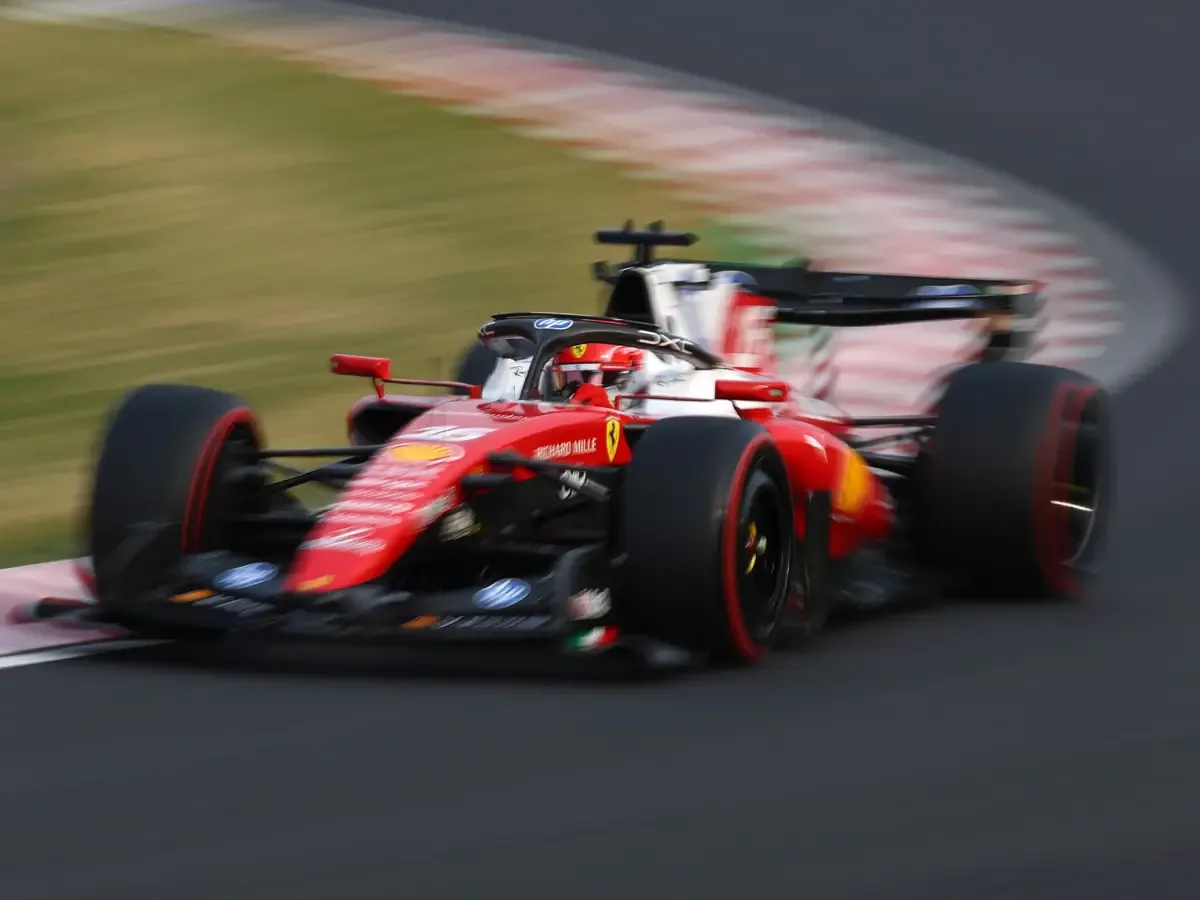
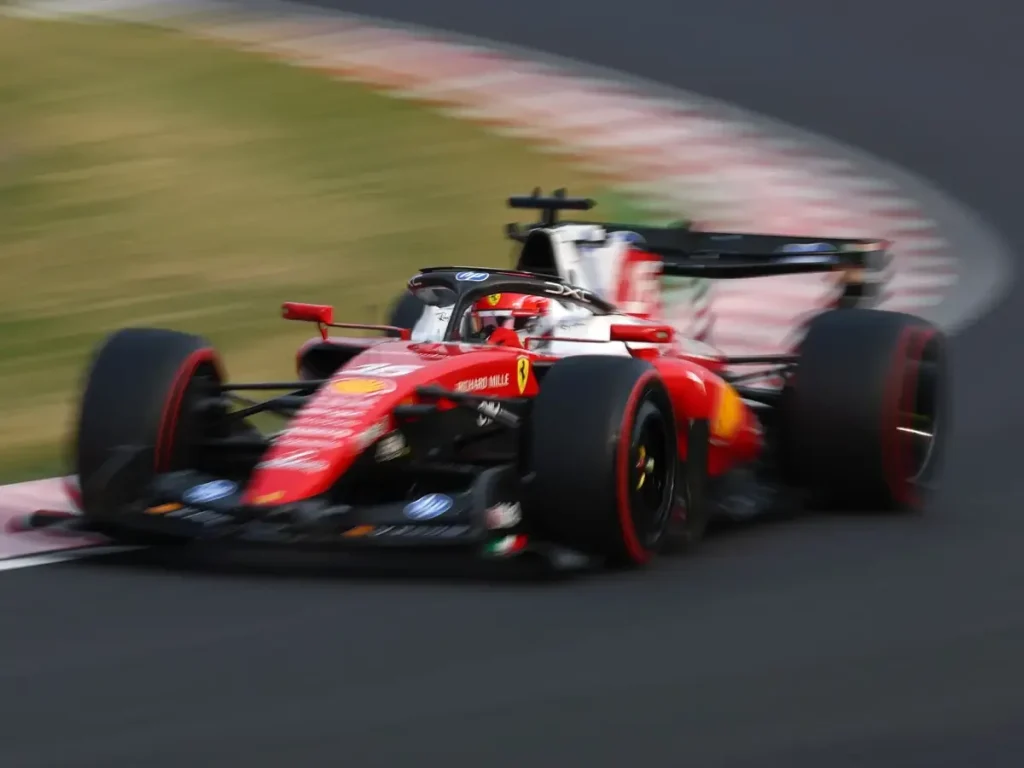
Another problem is the power unit software. This uses “machine learning” and adjusts energy delivery based on data from previous laps. Drivers who lose practice time due to accidents or technical defects are therefore at a disadvantage. Additionally, small driving errors can throw the algorithm off, as was the case with Charles Leclerc and Lewis Hamilton in Japan the fall was.
“I was ahead of Charles and then lost two and a half tenths on the back straight alone. It wasn’t just the normal deployment; I had oversteer, and that immediately changed the entire algorithm,” Hamilton explains.
Political hurdles for quick changes
The drivers have already expressed their concerns in a meeting with FIA representatives Nikolas Tombazis and Tim Malyon. While the FIA seems to be following a plan according to Sainz, the Spaniard fears resistance from the teams: “I am worried that the teams will block it. Some will be against changes that are too large because they have other interests. But we drivers have made it clear that it must get better.”
It is suspected that Mercedes in particular, who have made a strong start to the 2026 era, could be against profound changes. Nevertheless, Toto Wolff and his drivers have also publicly admitted that the qualifying format needs to be revised.
Sainz emphasizes that absolute speed is less important to him than drivability: “To be honest, I don’t mind being one or two seconds slower overall if the energy delivery is more consistent and you can really push again. I think 350 kW in addition to the internal combustion engine is almost too much in some areas. Also for safety reasons in the wet, I’m not sure if it’s necessary. A flatter, more conservative deployment would be better.”
Whether an agreement will be reached for Miami remains questionable. Hamilton is skeptical: “I don’t expect much, but I hope for big changes. There are simply too many cooks in the kitchen. That usually doesn’t lead to a good result.”
Read more Formula 1 Live Ticker: Mercedes also unbeatable in Japan