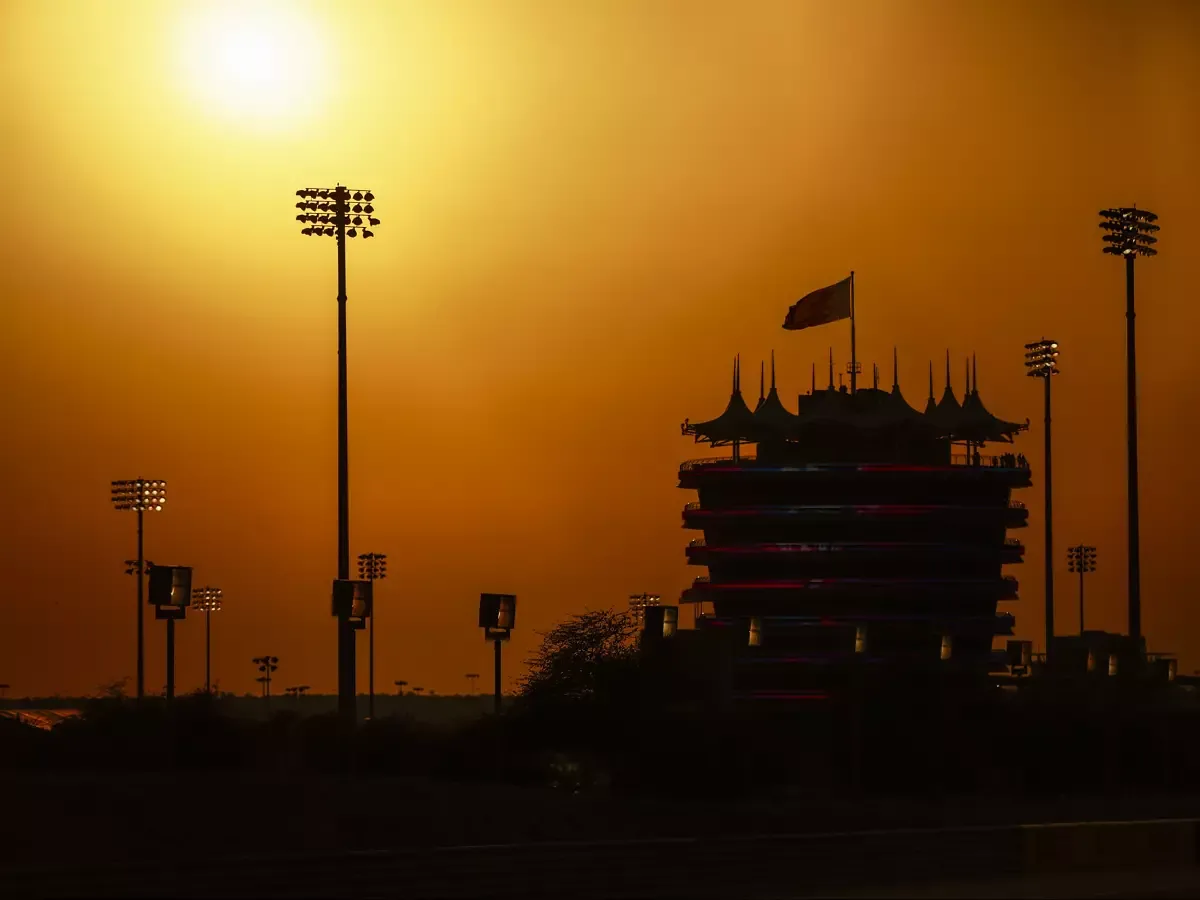
(Motorsport-Total.com) – If everything were going according to plan, most Formula 1 drivers would be sitting on the sofa in the press room or in their hospitality today to answer questions in front of the microphones. Instead, the war in Iran and the resulting cancellation of the races in Bahrain and Saudi Arabia have given the Formula 1 circus a kind of “spring break”.
Read more Condemned to testing: Williams team principal explains Albon’s strategy in Suzuka
Time to reflect on the first three rounds of the season before things really get going again in Miami at the beginning of May.
Even though April is now race-free, that doesn’t mean work is at a standstill – but it does take some pressure off the already completely overloaded workforce. And of course, it gives Formula 1’s technical minds the chance to calmly go through possible adjustments to the new regulations before Miami, without feeling forced into hasty knee-jerk reactions.
But is the whole thing entirely positive? For those who just want to watch Formula 1 and otherwise don’t know what to do with themselves on their weekends, it’s probably more of a disappointing development. The loss of two races also hurts financially – and that is something that will probably trickle down to the teams in the end.
While the regular paddock personnel pack away their travel gear for a few more weeks and stare nervously at their British Airways Gold membership points balance, it’s probably worth taking a closer look at the real benefits and consequences of this short-term April break.
The Positives: Rest, Restart, and New Focus
When you’re stuck in the Formula 1 bubble, you sometimes can’t see the forest for the trees. It’s easy to lose perspective, especially when you’re constantly on top of each other – this leads either to an echo chamber of self-congratulation or to small frictions escalating into huge problems.
With a break, such issues are easier to analyze and digest. Teams trying to process the first months of the season – especially problem children like Williams and Aston Martin – can now take a step back and work through their weak points one by one. This gives them more time to rethink planned upgrades and, if necessary, correct their course.
The 2026 Formula 1 calendar to click through
Williams knows, for example, that they have a weight problem. While the car actually handles quite well with little fuel in the tank, the excess ballast in qualifying has so far prevented a jump out of the bottom half of the table. With a full tank in the race, these problems are amplified, and the race pace has been relatively weak so far.
Even if the bigger problems are right in the car – such as additional mass on the chassis to strengthen the cell for crash tests – the team can now spend more time tinkering with solutions instead of just living hand-to-mouth in an improvised way during race weekends.
At Aston Martin, the obvious resonance problems between the powertrain and chassis are of greatest interest. The investigation of the data from Friday practice in Suzuka (where the vibrations were much better under control) should ultimately lead to further progress before Miami.
Since modern Formula 1 calendars are so packed, teams hardly have any time left to put the cars through their paces in their home factories. The break offers the perfect opportunity to put the car on the test benches and go through the data points that have accumulated in the first races.
In addition, the race team moves closer together again with the people in the factory – problems can be discussed directly on site instead of relying only on radio feedback and data interpretation.
As far as the big picture of the 2026 regulations is concerned, the view from the outside will hopefully help decision-makers to tune out the constant noise in the paddock. This should lead to clearer, better-thought-out decisions for the future of the World Championship, as the first races have revealed several areas for improvement.
Read more «Central role»: Long-standing Mercedes man moves to Williams
Is there a clear way to improve the show in qualifying? Can Formula 1 maintain the excitement in direct duels without these dangerous speed differences between the cars? Instead of just putting bandages on the wounds while rushing from race to race, a real analysis can take place in the coming weeks.
Given the critical scrutiny Formula 1 is under, it’s probably even a good thing that the Jeddah race isn’t happening. Many of the problems from Melbourne and Suzuka would likely have recurred on the Saudi Arabian circuit – and the combination of extremely different speeds and the many blind corners could have ended particularly badly there.
And above all, it’s a chance for the staff to step out of the hamster wheel for once and spend time with their families. Many sacrifice their private lives for their jobs in Formula 1, and such a break gives them something back for all their efforts.
The Negatives: Financial Losses and Frustrated Fans
Overall, Formula 1 is losing an estimated 100 million dollars in hosting fees due to the cancellations. In addition, there will likely be losses in sponsorship money, as contracts for 24 races can no longer be fulfilled. However, there are likely to be clauses in the fine print of the contracts to cushion such losses.
This will likely affect the prize money distributed to the teams, even if the difference won’t mean the world. Nevertheless, it is a factor for accountants when they close their profit and loss statements and set department budgets.
While it won’t directly jeopardize spending for the budget cap, there might be less luxury on the sidelines here and there.
Of course, it’s a bitter blow for the fans who wanted to travel to the races in Bahrain or Saudi Arabia and are now trying to get their money back for cancelled flights, unused hotel rooms, and tickets. Many save for months for a Grand Prix visit and are now left with the costs.
They will definitely lose money, as it has already leaked that the race tracks are keeping the processing fees and charging a small percentage for the reversal.
Even for viewers in front of the TV, the loss of two races slows down the momentum of the season quite a bit. For those who still need their motorsport: there’s a lot going on in April. The World Endurance Championship (WEC), MotoGP, the World Rally Championship (WRC), IndyCar, and NASCAR are all racing, as is the DTM season opener in Spielberg.
However, the cancellations don’t just affect Formula 1, but also the junior classes – Formula 2, Formula 3, and the F1 Academy are also losing out. In Formula 2 and Formula 3, drivers are not paid, but have to bring money with them just to be allowed to drive.
In Formula 2, this can be more than three million euros depending on the cockpit. Drivers at this level rely on sponsors, and many who are not placed in a Formula 1 academy have to find these themselves.
Without the races in Bahrain and Saudi Arabia, some of these sponsors could become restless. There are already considerations as to whether Miami and Montreal will additionally host Formula 2 (and possibly Formula 3) to compensate for the cancelled races and ensure that the drivers also get value for their money.
Read more These two Ferrari Formula 1 cars are going under the hammer