(Motorsport-Total.com) – Four out of five power unit manufacturers in Formula 1 are ready to support a proposal from the FIA to ban the “blown exhaust” from the 2027 season. Ferrari is thus isolated – and with a solution into which Ferrari engineers invested significant resources during the development of the SF-26.
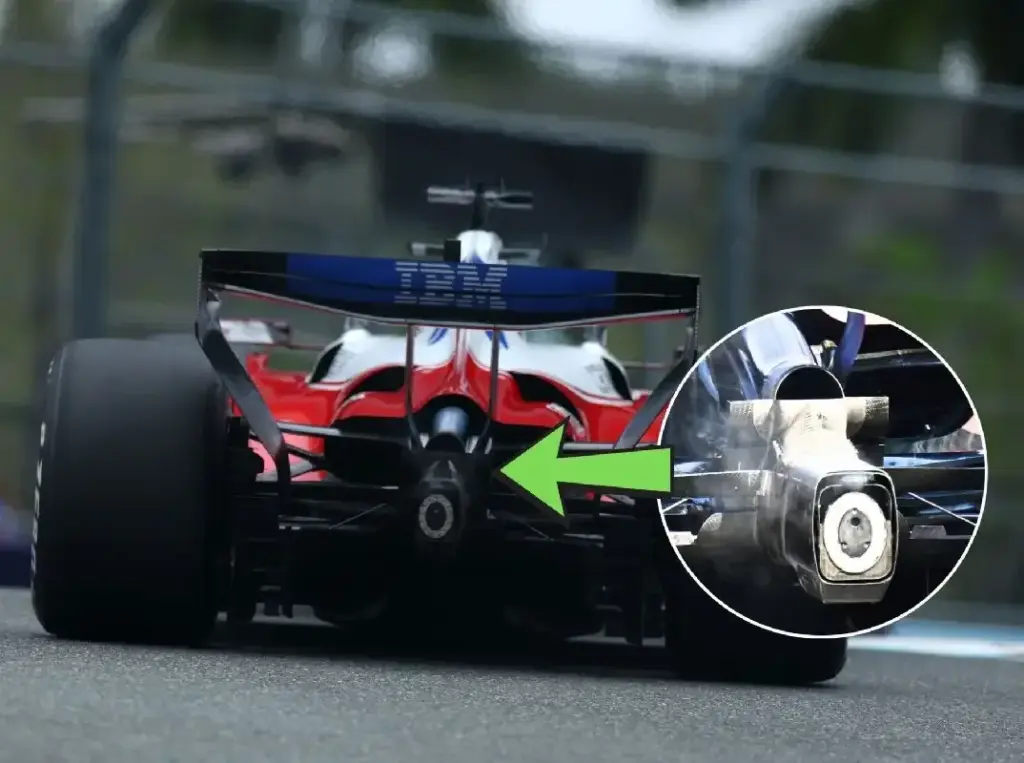
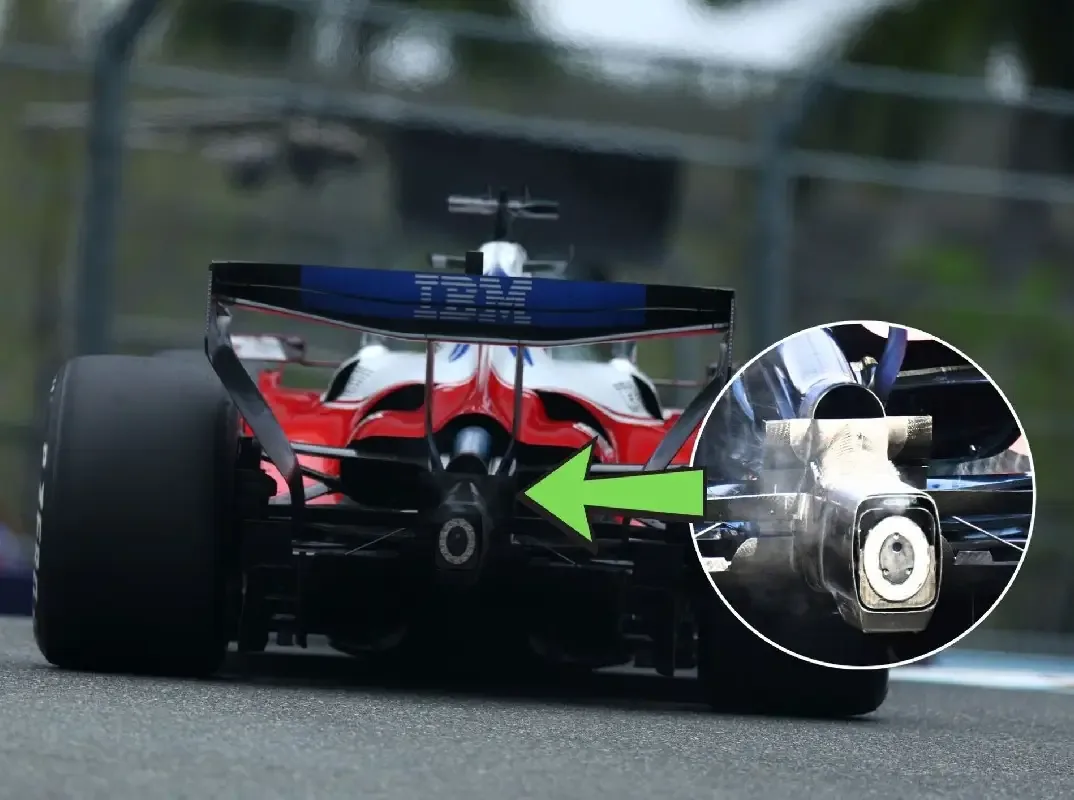
We are talking about the so-called Flick Tail Mode – short: FTM. This is an air guide element mounted below the rear wing directly on the exhaust pipe.
This Ferrari innovation had a long lead time: To be able to use the element aerodynamically in front of the exhaust, Ferrari had to release a gearbox where the output of the differential was moved further back. The reason: The profile was only allowed to be mounted within six centimeters of the rear axle.
Ferrari was in long exchange with the FIA technical commissioners before the concept was approved and first used in the second test week in Bahrain before the start of the 2026 season.
Why Haas quickly adopted an FTM copy
The blown exhaust initially seemed to be an exclusive Ferrari solution. Shortly thereafter, Haas adopted the idea because the US team uses the same rear area as the SF-26 – that is, power unit, gearbox, and suspension. For everyone else, the idea seemed out of reach.
Ferrari also developed a turbo that was supposed to ensure a strong, hot exhaust flow even at low revs. This was intended to increase the advantage of the solution conceived in Maranello.
What the Ferrari innovation is worth
It is also clear: Partially “blocking” the exhaust is certainly not ideal for the power unit. Some say the Ferrari power unit 067/6 lost 13 hp as a result. According to information from Motorsport.com Italy, the loss is rather seven to eight hp.
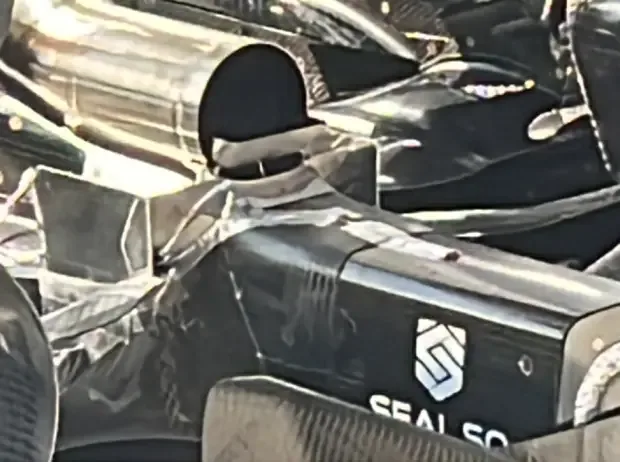
Less emphasized, however, is how much this idea can contribute to generating downforce at the rear. Some rated the concept at a maximum of two tenths of a second per lap. In the Ferrari environment, however, it is said: If everything works correctly, it brings at least half a second. Otherwise, the enormous effort in personnel and time would hardly have been worthwhile. At Haas, the less aggressive version brings 0.25 seconds.
How the Ferrari FTM works
And this is how the construction works: The deflection of the exhaust gases by the air guide element accelerates the flow exit from the diffuser and at the same time improves the efficiency of the lower rear wing area. This is aerodynamically a massive lever.
Therefore, it is not surprising that a further development came to the base version, which was maintained until the Japanese Grand Prix. This appeared for the first time at the Miami Grand Prix and shows a significantly more sophisticated airflow along the gearbox housing. The aerodynamicists around Diego Tondi and Franck Sanchez worked intensively in the wind tunnel to make the airflow more energetic.
In detail images, the combined effect of three separate air guides can be seen, forming a complex cascade of flaps. And the development in this area is not yet complete: Another expansion stage could follow in the summer to extract the maximum potential from this very creative interpretation of the rules.
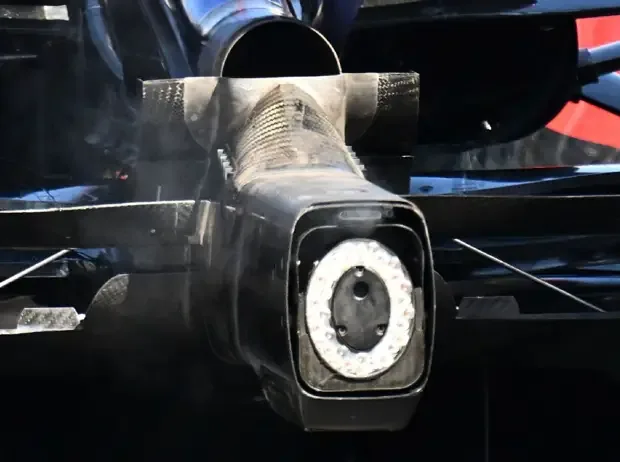
Because the drivers have also noticed the better driving feel: A more stable rear gives more confidence and improves safety at the limit.
The FIA intervenes – and Ferrari loses its advantage
However, the FIA thwarted Ferrari: Of all races, at the Miami race, it accepted an extended interpretation of the technical regulations. Article C3.9.2 defines the area of the exhaust pipe end. But through the generous interpretation of the rule, a bracket was “magically” redefined as an airfoil profile that serves to imitate the Ferrari FTM.
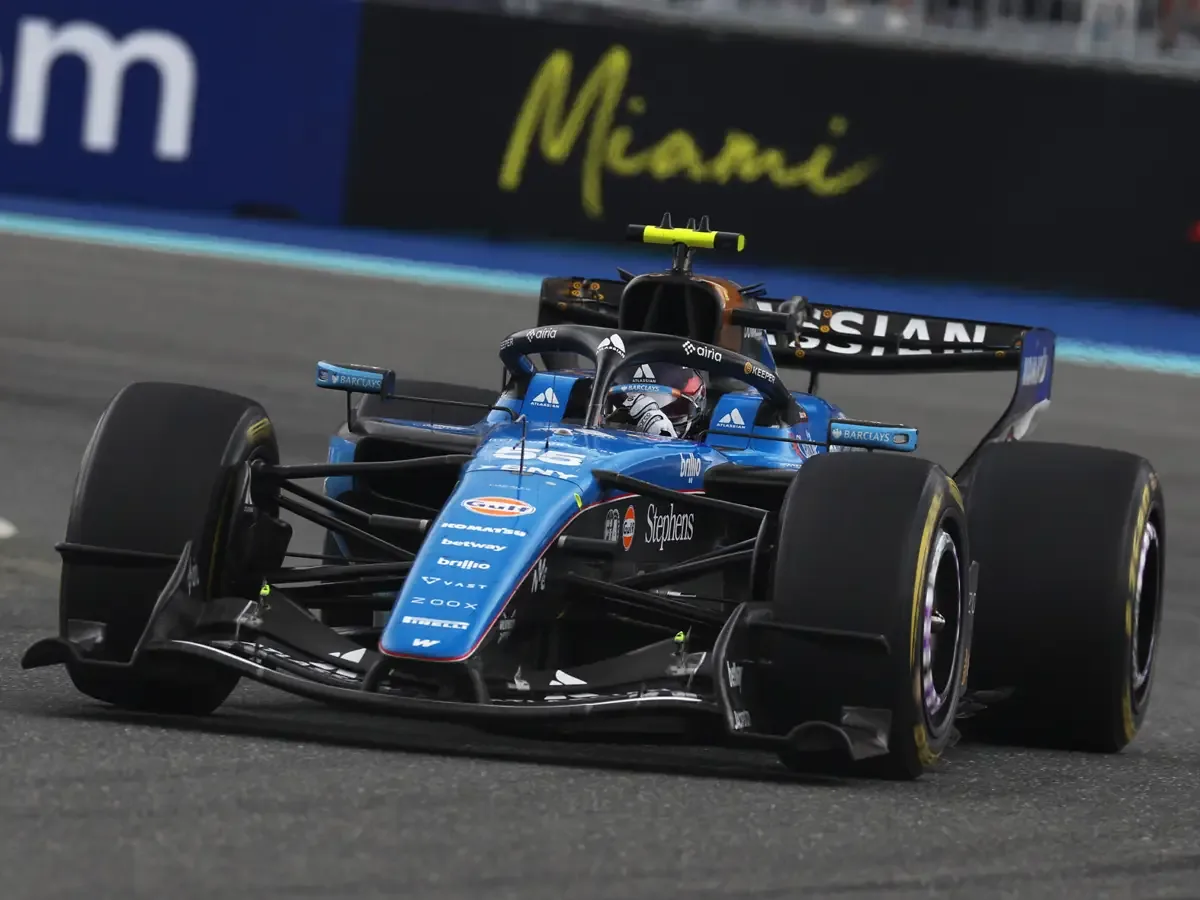
Besides Ferrari and Haas, six other teams – Alpine, Cadillac, McLaren, Mercedes, Red Bull, and Williams – appeared in Miami with a rudimentary version of the blown exhaust. This reduced the previously developed advantage of Ferrari.
Furthermore, it is interesting why the FTM ban for 2027 is being discussed among the power unit manufacturers – and not among the eleven constructors. Because this way, an aerodynamic topic is suddenly treated as a power unit topic.