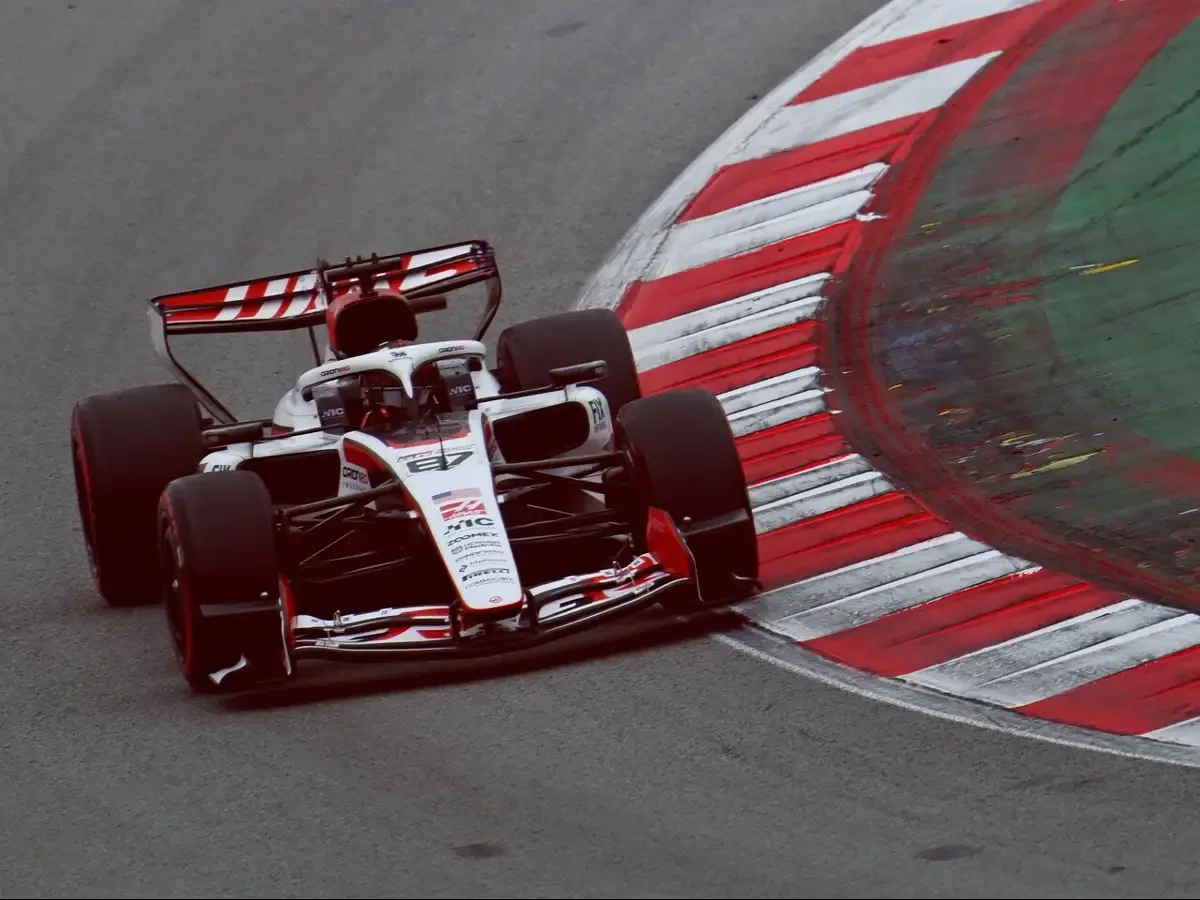
(Motorsport-Total.com) – One aspect of the 2026 Formula 1 regulations is becoming increasingly clear through feedback from engineers and drivers: the extreme track dependence of the new cars. There are circuits where drivers hardly have to deviate from their natural driving style to regenerate energy – and there are tracks that make charging the battery a real mammoth task.
Read more «That’s exactly why I’m here»: Isack Hadjar sets his sights on debut victory in 2026
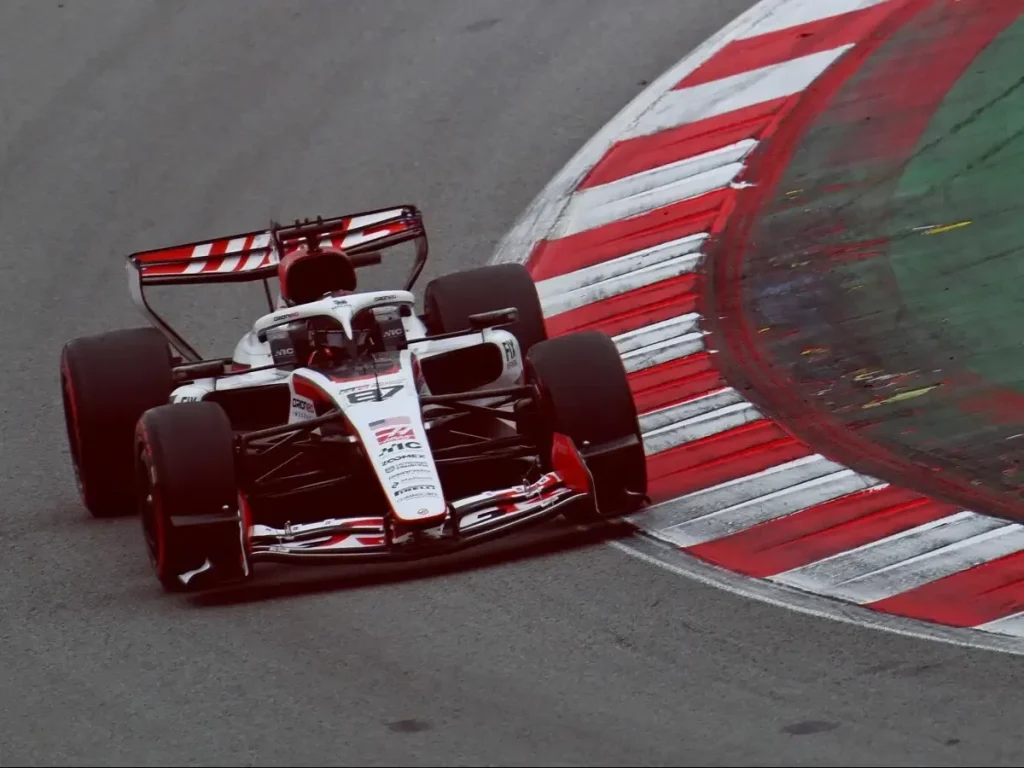
Melbourne definitely belongs to the second category. Since Albert Park was redesigned before the 2022 season, the course has become significantly faster. With the removal of a chicane at Lakeside Drive, the transition between the second and third sectors became a full-throttle passage, featuring only a single braking zone before a high-speed corner.
Apart from Turns 3, 11, and 14, there are hardly any slow corners left. This means: drivers can no longer primarily rely on the classic solution of braking for energy recovery. Instead, techniques such as “superclipping”, “lift-and-coast”, and maintaining high revs in corners are coming into focus as central tools for energy generation.
Out-lap could bring chaos
This becomes particularly critical on the out-lap in qualifying. To start a fast lap, the battery must be full. This gives the driver significantly more leeway when deploying energy, especially in the first sector. If this fails, less power is available, which immediately costs valuable tenths of a second.
“You want to start the lap with a full energy package,” Williams simulator driver Harrison Scott explains the challenge to Autosport. “That is extremely important for the lap time. At the same time, however, the tires are super critical regarding the correct temperature window. Getting these two things under one roof is currently a real challenge.”
Scott adds: “In the two test weeks in Bahrain, we worked on this a lot as a team. We have to make this process as efficient as possible because both factors must work together. You want to go into the first run with full energy and have the tires in the perfect window at the same time.”
The problem: to bring the tires up to temperature, you have to expend energy. “It’s a difficult balancing act, but it will get easier with every event,” says Scott. “We have fantastic tools to simplify this process. In our simulations, we can play through different scenarios to be as well prepared as possible.”
The crux with speed
In addition to the conflicting requirements of tire warm-up and energy recovery, the three relevant charging mechanisms work at different times: charging in corners requires slow driving, as does “lift-and-coast”. However, to gain energy via “superclipping”, the driver must be fast on the straights – which in turn consumes energy.
In qualifying, there will therefore be massive speed differences on the track. For drivers on a fast lap, it could be extremely tricky to weave their way through competitors who are currently trying to charge their batteries. This is likely to become particularly obvious in the last two corners, as drivers will be doing anything but full throttle there to prepare for their hot lap.
Haas team principal Ayao Komatsu clearly outlines the challenge in Melbourne, especially the trade-off between charging and tire preparation. While teams previously used free practice mainly for new parts and tire strategy, it is now about finding the balance for the out-laps in qualifying.
Read more Ollie Bearman warns: Australian GP as «worst-case scenario» for new rules?
“Potential for a disaster”
Komatsu even warns that qualifying has the “potential for a disaster” if teams don’t find the balance. Most will already use the first free practice to refine their procedures for Saturday.
“To charge the battery on the out-lap, you have to drive slowly in certain corners but go full throttle on certain straights,” Komatsu explains. “If you then let someone pass on a straight where you should actually be going full throttle, you have a problem.”
He emphasizes: “Honestly, there is a lot of potential for chaos in qualifying. That’s why practice is so important to me, to simulate this as often as possible. You can’t go into Q1 and try it for the first time.” Sessions must be used more operationally to find out how much tire preparation must be sacrificed for energy.
Melbourne is not Bahrain
While various harvesting techniques were already seen during testing in Bahrain, Sakhir is not considered critical for energy management due to the many hard braking zones. Komatsu compares the expectations for Melbourne more to the shakedown in Barcelona – especially with a view to the final corners.
The 2026 Formula 1 cars in their final designs on the race track
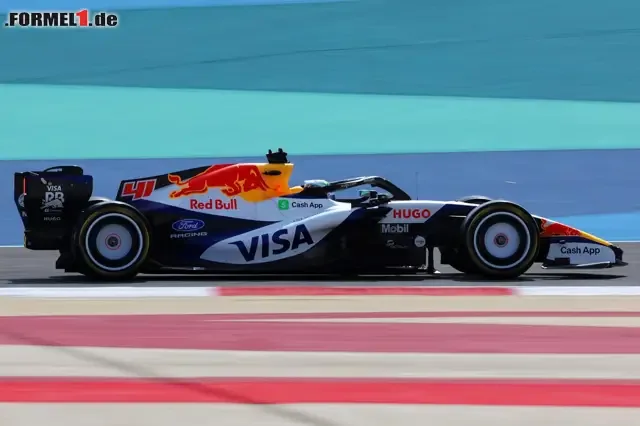
In Bahrain, a driver doesn’t have to carry as much speed onto the start-finish straight because the last corner is relatively slow. Barcelona’s returned double-right combination at the end, on the other hand, puts much more weight on the pace at the exit of Turns 13 and 14. In Albert Park, the situation is similar.
“Bahrain is much easier,” Komatsu continues. “Here it is much more difficult to recover energy. The nature of the last two corners has a massive impact. Barcelona is a very difficult course to start a lap properly. Bahrain is less of a problem. Here in Melbourne, it will be a big issue.”
What will happen?
His conclusion: “If you don’t carry enough speed, you’ll never make it up. You have to drive at a certain speed even though you don’t actually want to. Depending on traffic, throttle position, MGU-K deployment, and recuperation work against each other. Management in traffic will be extremely difficult. This applies to everyone; everyone has the same problem. I’m sure we’ll hear many complaining drivers on the radio.”
Whether you like the new regulations or not – Saturday promises high tension. Surprises are to be expected: some will get lost in the traffic chaos, others will stumble over the pitfalls of energy distribution. Over time, these processes will become routine – but the first time in Melbourne, that won’t be the case yet.
Read more Petronas fuel for the Mercedes engines homologated by the FIA