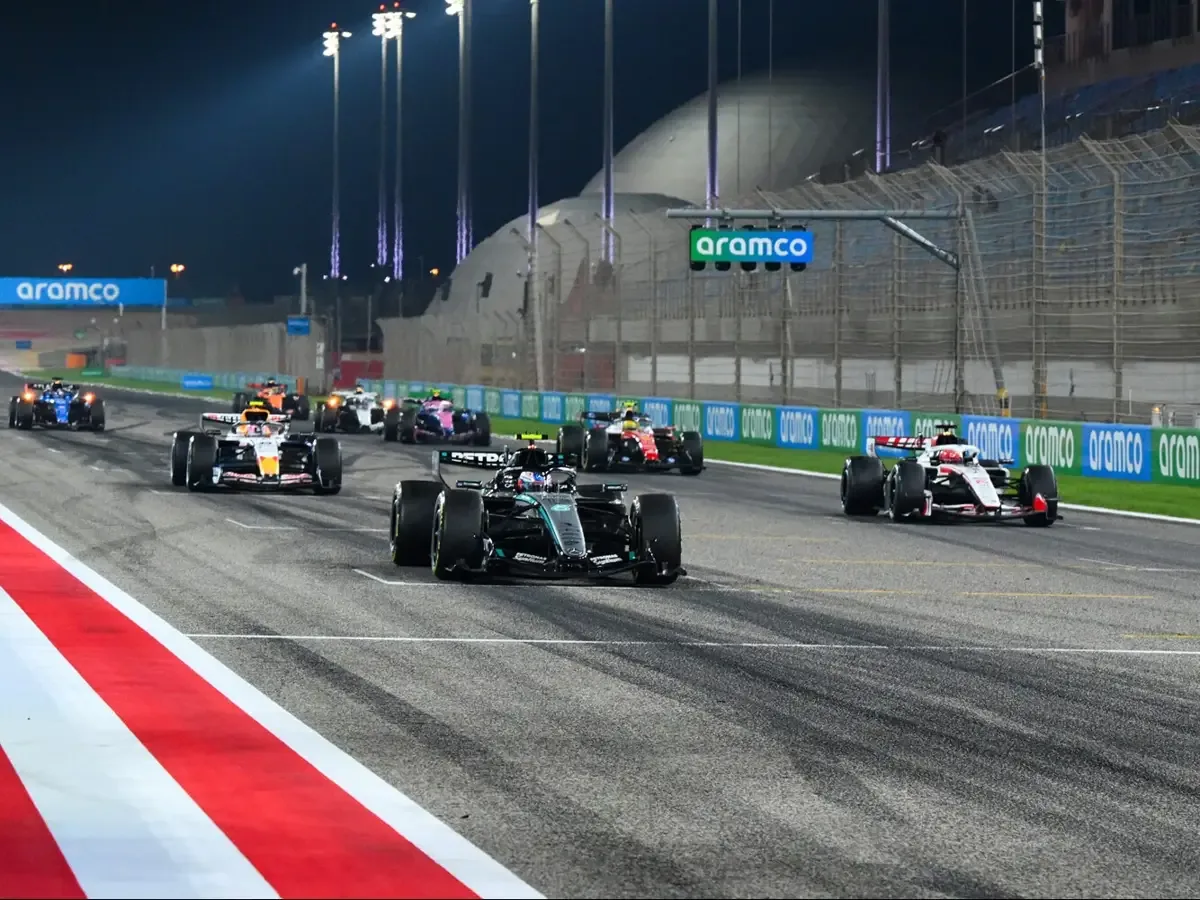
(Motorsport-Total.com) – Race control is drawing consequences from the winter tests in Bahrain and giving the Australian Grand Prix a brand-new starting procedure. Because the 2026 generation power units have to do without the MGU-H, the drivers lack the electric boost at the start to get the turbocharger up to speed immediately.
Read more «Potential for a disaster»: Chaos in Melbourne qualifying?
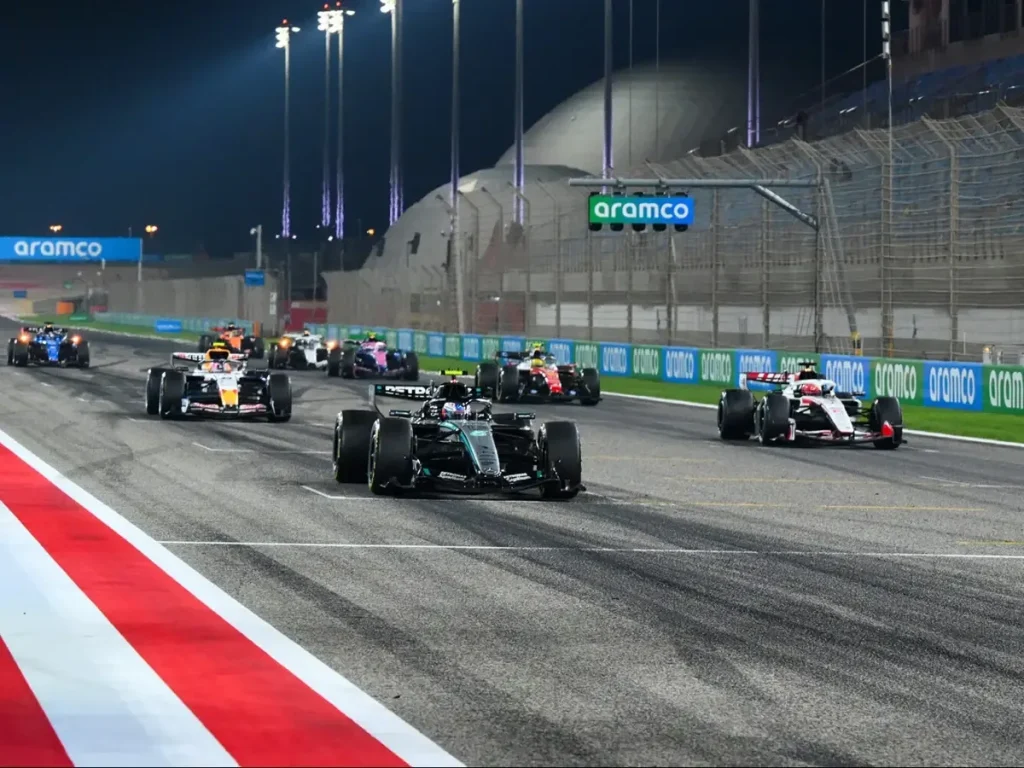
The consequence: Sluggish acceleration or, in the worst case, a radical intervention by the anti-stall systems. While this prevents the engines from “stalling,” it would completely ruin the start.
To prevent a collective stalling of the cars, the FIA is now granting drivers a five-second window as soon as the entire field is on the starting grid. A flashing blue board on the start gantry signals this extra time, during which the drivers can build up the necessary RPM before the red starting lights play their usual sequence.
Ferrari senses disadvantage
While most teams welcome the innovation after successful trial runs in the Bahrain desert, the adjustment is causing head-shaking in Maranello. Ferrari team principal Frederic Vasseur had put this weakness of the new engine era on the agenda ages ago. The Scuderia reacted proactively and reportedly designed a smaller turbocharger specifically to mask the notorious turbo lag.



The fact that the competition is now being given “artificial respiration” through the rule change and more time to react does not sit well with the Reds. Nevertheless, Ferrari maintained the upper hand during the test starts in Bahrain, while the rest of the field was still desperately tinkering with the perfect starting sequence.
Mercedes youngster Andrea Kimi Antonelli also openly admits that the Silver Arrows could currently still be at a disadvantage at the start. “With the blue board, it has naturally become a bit easier now,” the Italian explains the new procedure.
Read more «That’s exactly why I’m here»: Isack Hadjar sets his sights on debut victory in 2026
Mercedes still searching for the perfect moment
But the challenge in the cockpit remains enormous: “Getting the timing right and building up the boost pressure exactly at the perfect moment will be absolutely crucial. If you mess that up, you’ll have a really bad start,” Antonelli continued.
The slowest teams at the Formula 1 winter tests
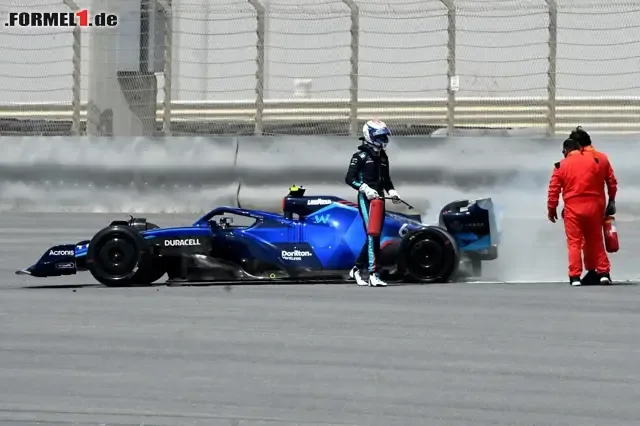
The 19-year-old looks concernedly at the competition from Italy: “Ferrari in particular looks extremely strong in this area. We absolutely have to keep working on it, because in Bahrain we still struggled quite a bit with this exact topic.”
Although Mercedes has analyzed the data and made progress, the gap has not yet been completely eliminated. “We have worked intensively on it and improved, but there is still a little bit missing to get to Ferrari’s level,” said Antonelli, who is not giving up hope for a breakthrough on Sunday: “But who knows, maybe we’ll just get a mega start in the first race in Australia. You never know.”
Ban on active aerodynamics in Turn 1
Aside from the starting drama, the race director’s new notes also clear up other issues. There is now final clarity regarding the use of the much-discussed active aerodynamics: the system remains strictly prohibited at the start and may only be activated after passing through the first corner.
In addition, the track at Albert Park is getting a small but important update: at the exit of Turn 6, track workers have laid a new strip of grass so that the cars throw less gravel onto the asphalt and the track remains cleaner.
Read more Ollie Bearman warns: Australian GP as «worst-case scenario» for new rules?