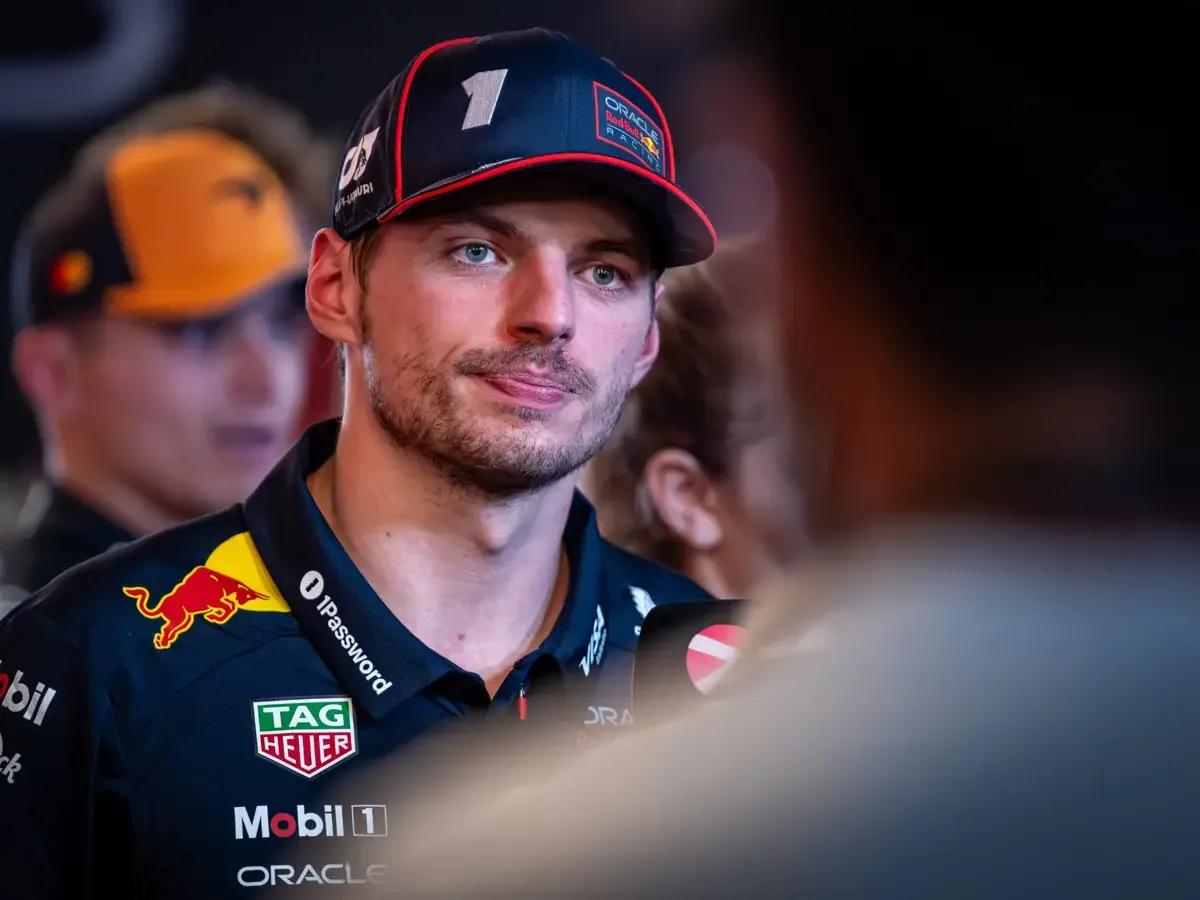
(Motorsport-Total.com) – Formula 1 heads into largely unknown territory in Melbourne this weekend, with new cars built to a fresh set of regulations that are still in the early stages of development.
Read more FIA intervenes in Melbourne: What changes in qualifying now
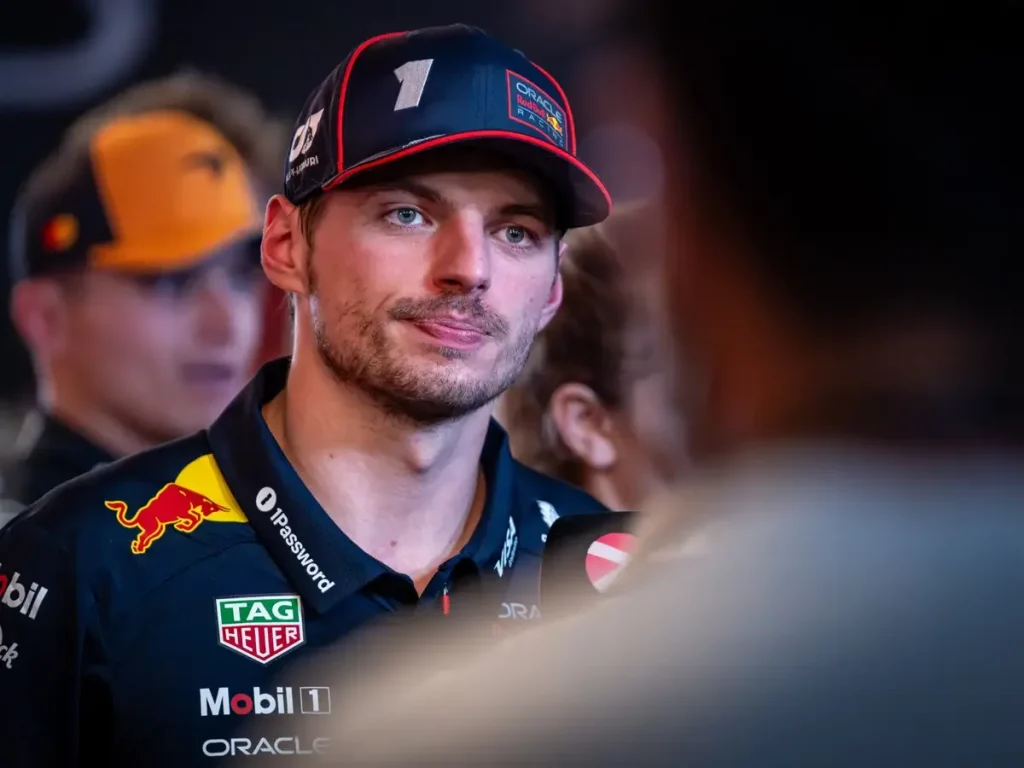
Unsurprisingly, there has already been plenty of debate about whether the series has chosen the right direction. The discussion gains even more momentum when the drivers speak up – and some of their initial comments were particularly blunt.
At the same time, it can seem questionable when those who benefit most from the championship’s growing popularity and commercial success are the ones publicly undermining it. On the other hand, the sport risks ignoring potential problems if legitimate concerns are not addressed.
Our international editorial team debates whether Formula 1 drivers have the right to express their concerns so openly.
Criticism should be constructive
Roberto Chinchero, Motorsport.com Italy
Taking a clear position on this issue is anything but easy. There is no doubt about the importance of the right to criticism and freedom of expression, even for the figureheads of a sport – that is not the point.
Some of the progress Formula 1 has made in its history was also possible thanks to the public statements of its most prominent drivers, who were able to shine a spotlight on issues that had previously remained largely unknown to the general public.
The safety campaign that Sir Jackie Stewart started in the 70s was not without personal cost, but his criticism hit home and helped drive significant changes.
Microphones and cameras can be either an asset or a liability – the difference lies in what is said. Drivers can criticize Formula 1; yes, they even must do so when necessary. But questioning a system or a specific problem requires a sound and, above all, complete understanding.
To be clear: in Formula 1, as in other sports, only the top people – those who have achieved a status that allows them to speak without fear of consequences – can afford to truly point the finger at those in charge. However, experience in the sport is not always a guarantee of a correct, let alone constructive, perspective.
The recent comments from Max Verstappen and Lewis Hamilton regarding the 2026 cars are an example of destructive criticism. The problem is not that two world champions are criticizing a system they are part of, but rather that they delivered instinctive snap judgments to the media after only three half-days of testing on the track.
It is undeniable that the questionable technical foundations of the new engine regulations have created a major challenge for Formula 1, which is now struggling with an electric motor that is oversized in relation to its charging capacity.
However, one would expect more from two world champions like Max and Lewis than just a destructive headline – perhaps an analysis of the causes of the problem or a vision for a possible solution.
Reducing the matter to them biting the hand that feeds them misses the point. If that were the only criterion, no one in Formula 1 would ever have the right to complain about anything.
It is right that Verstappen and Hamilton are bringing these concerns into the spotlight, but a more constructive, analytical approach would be desirable – something that goes beyond Lewis’s “GP2 feel” or Max’s “Formula E on steroids.”
Formula 1 Quiz
On which track did the 2005 Belgian Grand Prix take place?
Test yourself now in the Formula 1 quiz and compare yourself with other users
Both drivers are capable of astute analysis and carefully chosen words when they want to be.
If they choose a frontal assault on the system instead, they end up creating two problems: one for Formula 1, which finds itself under fire from its own stars; and one for themselves, as they are accused of targeting the very sport that has made them global celebrities and multi-millionaires. Seen this way, no one emerges as a winner in the end.
Their voices must be heard
Isa Fernandes, Motorsport.com Brazil
For me, the answer is: Yes. Drivers have every right to criticize Formula 1 because, at the end of the day, they are the ones who strap themselves into the car and deliver the show for the fans, sponsors, and a global audience.
Regulations change, cars are redesigned, and entire concepts are reshaped in the name of the show, primarily for the spectators on the outside. But no matter how entertaining or appealing something may seem to the public – it ultimately falls short if this satisfaction is not also shared by the drivers themselves.
They are the ones at the wheel, risking their lives every weekend and fighting on the track. Their voices must be heard, whether in praise or criticism, because if they are not satisfied, the rest carries less weight.
Criticism is part of the process that keeps the sport in balance and evolving. It is a way to ensure that Formula 1 remains attractive and fair for everyone involved. Drivers often use public platforms to make their views clearer and thus initiate necessary debates about ongoing changes and transformations within the championship.
Formula 1 is a sport, and as in any other, its main protagonists have both the autonomy and the responsibility to question it when they believe it can improve for the benefit of all.
The sport thrives on its characters
Norman Fischer, Motorsport.com Germany
Of course, drivers must be allowed to express their free opinion – and that is exactly what I want to hear. It’s enough that we’ll likely get platitudes again when the inevitable questions about possible race cancellations in Bahrain and Saudi Arabia come up, saying that everyone trusts the FIA and Formula 1 for the next steps.
Real opinion has unfortunately become rare in Formula 1. Drivers speak in PR-talk and usually stay completely out of difficult topics. So it’s all the more refreshing when stars like Hamilton and Verstappen really speak their minds and convey them in a striking way.
Sure, as a journalistic portal, we are grateful for that, but such statements also go beyond the specialist press. Formula 1 is on everyone’s lips – and even bad press is still press. Better than having none at all and no one talking about you.
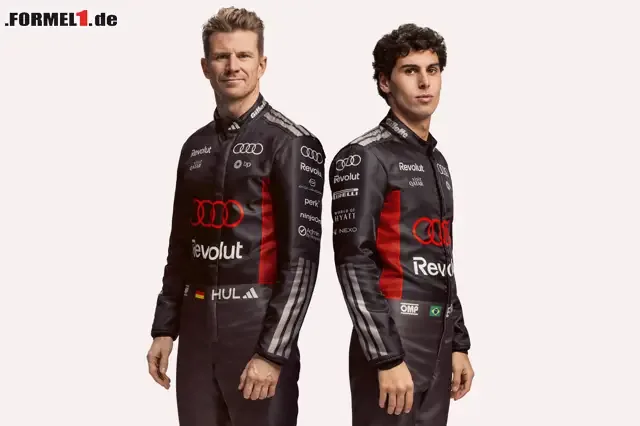
The 2026 Formula 1 drivers in their new racing suits
Formula 1 has been too polished for many years anyway and appears professional and perfect on the outside – but that’s boring. It’s topics like the criticism of the new regulations or the drama surrounding Aston Martin and the surprisingly clear statements that are exciting for all of us.
A sport thrives on its characters, not on its press releases. We don’t want interchangeable drivers who recite sponsor names like remote-controlled avatars. We want passion, frustration, and real emotions.
Read more Victory and Tragedy: The Eventful History of US Teams in Formula 1
When a driver tears into the regulations, it shows how much he cares about the sport. This friction generates the energy that keeps fans glued to their screens. Without this discourse, Formula 1 degenerates into a clinically pure advertising event that looks perfect but no longer has a soul.
Let them talk
Fabien Gaillard, Motorsport.com France
I am generally not an advocate of absolute freedom of expression – there must be both legal and moral limits – but specifically for Formula 1, my view is simple: let them talk.
Besides, criticizing F1 is almost a sport in itself. I’m not sure if many world sports are criticized as often and as repeatedly for their fundamental aspects as Formula 1.
We are used to this form of self-criticism; we are constantly exposed to it, and the recent comments from Verstappen or Hamilton are just further episodes in this ongoing saga. The strength of F1 is that it will still be there when they have retired.
I don’t want to fall directly into the cliché that “bad publicity is also publicity,” but there is a bit of truth to it.
It may not be met with enthusiasm by a portion of the audience, but when it comes to the 2026 regulations and the start of the season, curiosity will be huge as to whether the driving, qualifying, and racing in F1 will really be as catastrophic as some predict.
Ultimately, F1 has long suffered from the fact that it can’t always produce more than 1 hour and 40 minutes of boredom every two weeks.
Therefore, it is not necessarily a bad thing for the sport – and for us in the media, let’s be honest – when key players, especially the star drivers, provide entertainment and fuel the debate with controversial statements off the track. That, too, is part of the big circus.
And if we’re being completely honest, we should remember that the sport’s recent surge in popularity was rooted around 2019-2020 – in a context where there was a lot of criticism of F1, its engines, and its inability to produce anything better than processional races that ended with Mercedes cruising to easy 1-2 finishes.
Anyone who was around after