(Motorsport-Total.com) – For two years now, Max Verstappen has been compensating for his frustration in Formula 1 with a pronounced preference for adventures outside the Grand Prix circus. It is no longer a secret that the Dutchman has a deep passion for virtual sim racing. But nowadays, the three-time champion is increasingly drawn to real, analog motorsport.
Read more No real racing until 2030? This is what drivers think about upcoming rules
Looking back at 2024: Verstappen dominated the Emilia-Romagna Grand Prix in Imola, winning from pole position. But that was only half the story that weekend. At the same time, he completed stints in the team motorhome at the virtual 24-hour race at the Nürburgring via iRacing – and won that event with his team as well.
It was the starting signal for more. Later, he lent his name to a real team in the GT World Challenge Europe. As frustration grew over Red Bull’s declining performance in the 2025 Formula 1 season, the next step followed: between the Grands Prix of Azerbaijan and Singapore, Verstappen successfully competed in a round of the Nürburgring Endurance Series (NLS).
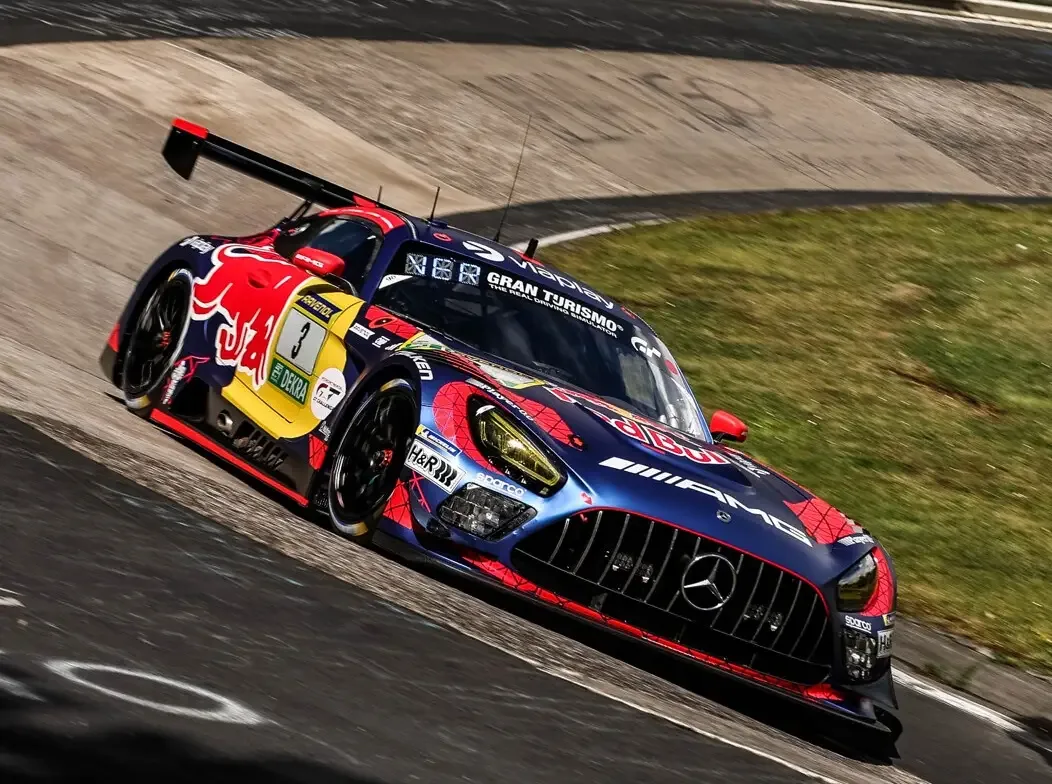
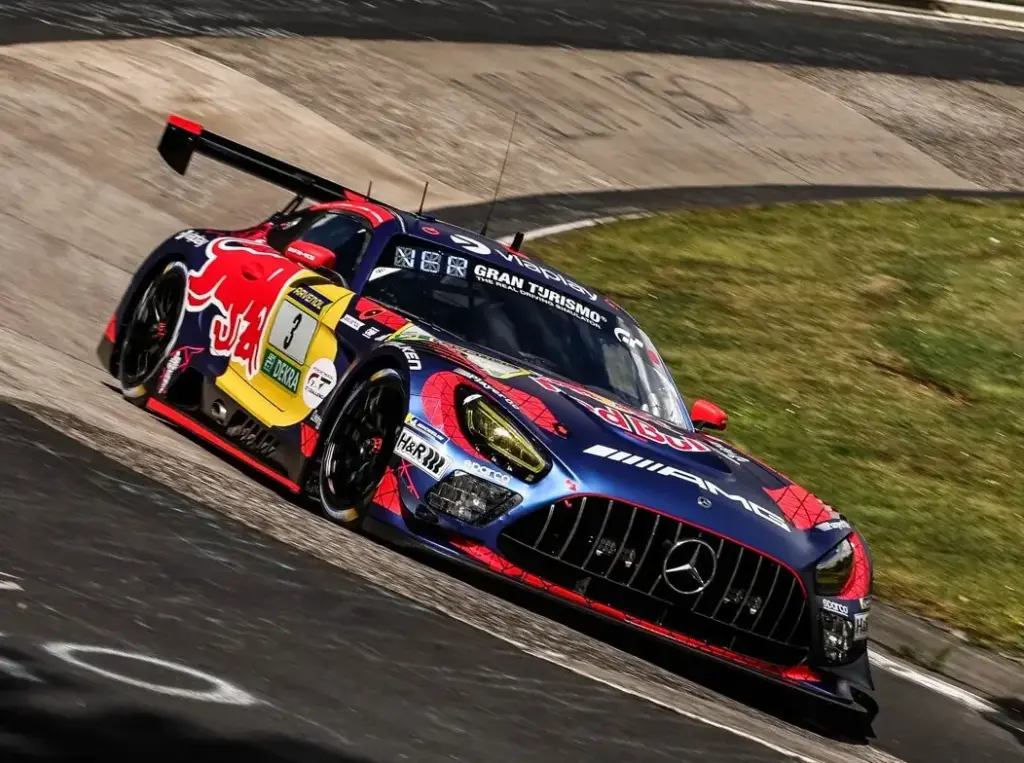
Last weekend marked the provisional highlight: alongside Lucas Auer, Daniel Juncadella, and Jules Gounon, Verstappen celebrated his “real” debut in the Mercedes-AMG GT3 at the legendary 24-hour race at the Nürburgring. The quartet was comfortably in the lead until a driveshaft failure during Juncadella’s stint three hours before the end shattered all dreams.
A rare phenomenon in modern Formula 1
Active Formula 1 drivers stepping outside the sport mid-season has become an absolute rarity in the modern era. Fernando Alonso skipped the Monaco Grand Prix in 2016 to compete in the Indianapolis 500. Nico Hülkenberg crowned himself Le Mans winner in a Porsche in 2015. Apart from that, such guest appearances were mostly dismissed by Formula 1 officials as unwanted distractions.
Nevertheless, the entire Formula 1 paddock looked eagerly to the Eifel last weekend. However, Verstappen will probably not find imitators anytime soon.
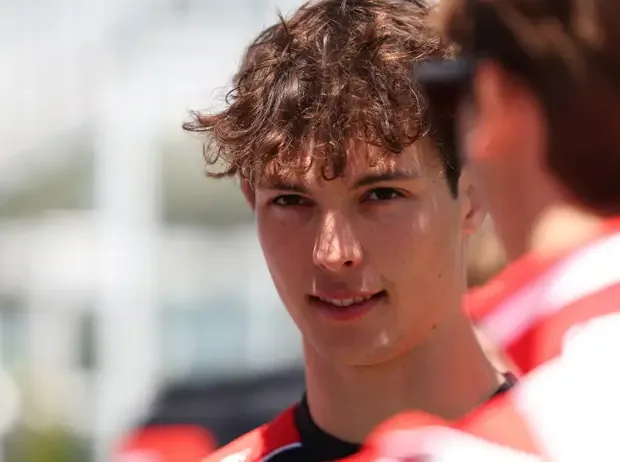
When asked if he could imagine starting in a classic like the 24 Hours of Nürburgring, the youngster waves it off. Bearman still shows respect: “What Max has shown is that every category has its own nuances and fun factors.
“Endurance racing is something really, really cool and unique in motorsport. But Max has won four world championships and is one of the best drivers, if not the best driver on the grid. I think you have to earn something like that first – the right to explore other categories. And I haven’t done that yet.”
Things were different before: When sports cars were more lucrative
In the early years of the top class, when the Formula 1 calendar barely included double-digit races, regular side ventures by top drivers were common. Until the 1970s, sports car races were often even more lucrative in terms of prize money than Formula 1.
Read more Alonso convinces: I am the best!
This changed in the 1980s with increasing TV presence and global attention for Formula 1. As the calendar expanded in the 1990s and testing increased, the number of GP drivers in sports cars dropped drastically.
Before Hülkenberg’s triumph in 2015, Yannick Dalmas in 1994 was the last (part-time) Formula 1 driver to win the 24 Hours of Le Mans. However, since Dalmas only competed in two Grands Prix that season, the term “active F1 driver” was broadly interpreted anyway.
Besides scheduling pressure, increasing professionalism and exclusive contracts of manufacturer teams blocked such engagements. Additionally, the former Formula 1 boss Bernie Ecclestone was known for hating anything that diverted attention and sponsorship money from F1. Traditionally, he deliberately scheduled Formula 1 races on the Le Mans weekend.
Ecclestone’s legacy and the power of the champion
In 2015, there was a rare exception without a scheduling conflict – with consequences for first-time winner Hülkenberg. When he appeared in the paddock in Austria the following weekend, he was promptly summoned to Ecclestone’s motorhome. The message was unmistakable: he was to stop talking about his Le Mans victory.
The Ecclestone era is history, but Formula 1 today is bigger business than ever before. The focus is to remain on its own stage. With now 24 Grands Prix per year, the time window for outside interests is shrinking to almost zero.
That Verstappen is even allowed to do this is due to his status. When he competed in the virtual 24-hour race in 2024, he had a custom sim rig installed in his motorhome. Neither Red Bull team principal Christian Horner nor motorsport consultant Dr. Helmut Marko were thrilled about these nightly activities. But you don’t deny such a wish to a multiple world champion and the team’s most valuable asset.
A driver who is only in his second full Formula 1 season simply does not have this political weight.
Read more Cost explosion in Formula 1: Team boss warns about 2027