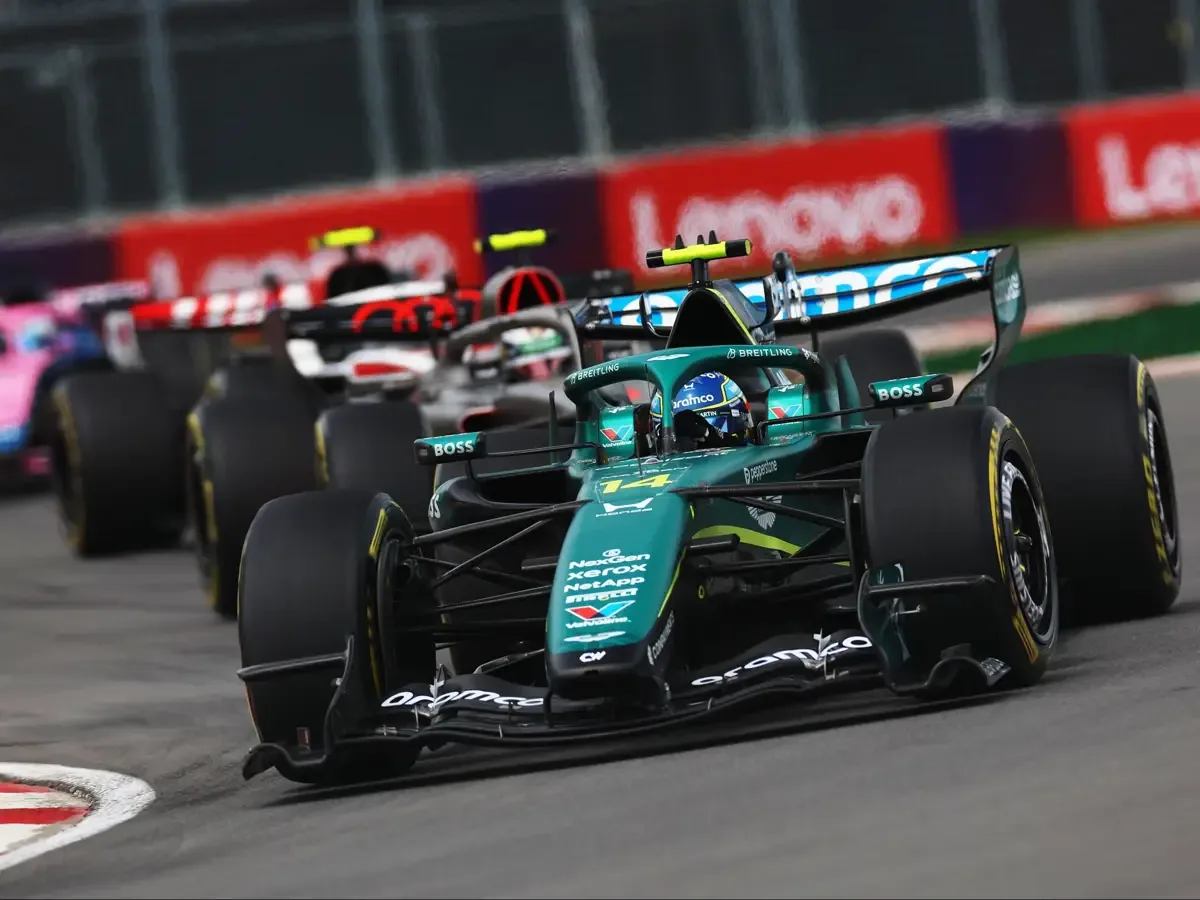
(Motorsport-Total.com) – Every adjective imaginable to describe Aston Martin’s start to the 2026 Formula 1 season has likely been exhausted by now – and few of them are positive.
Read more Montoya sounds the alarm: Antonelli becomes a danger to everyone
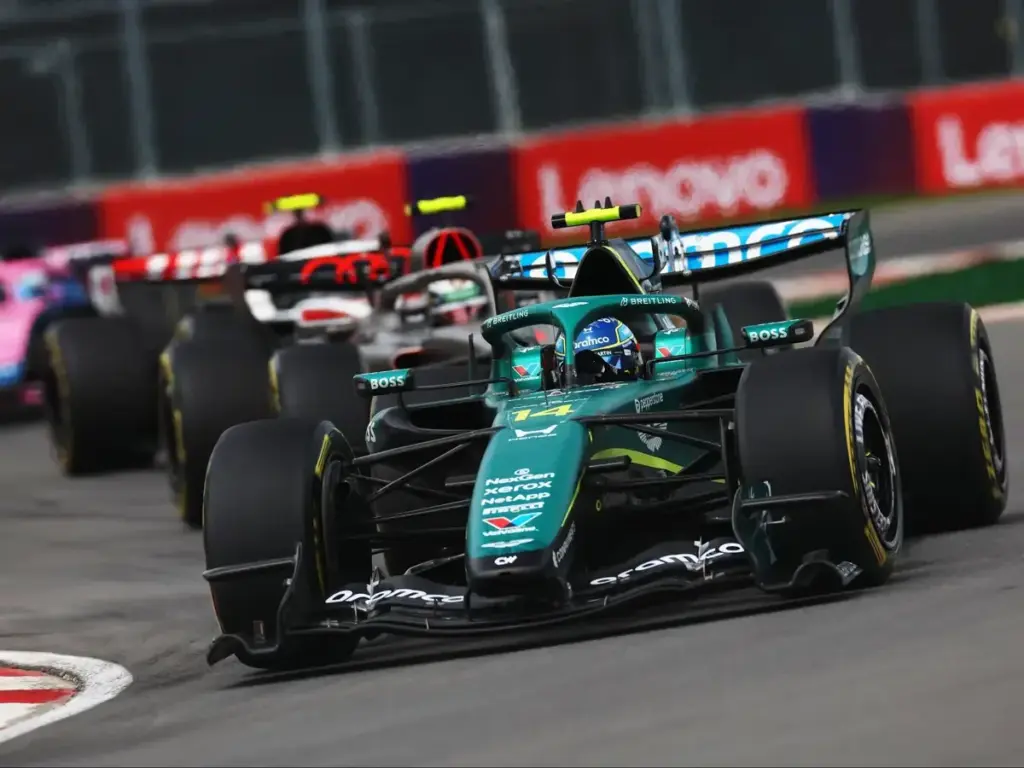
The first five months have been, to put it mildly, extremely tough for the team from Silverstone. A perfect storm of delayed chassis completion, a low-performing Honda power unit, and vibration issues that arose when both components interacted has massively extended the team’s to-do list.
Not surprisingly, the entire team is working intensively to fix these problems, which is why all potential aerodynamic updates were initially put on hold. Aston Martin plans to bring these later in the season in a large package, probably at Spa or Zandvoort.
While the vibration problems have now been resolved, allowing the AMR26 to cover significantly longer distances without irreparably damaging the drivers’ nervous systems, new difficulties have emerged.
One of these is the synchronization of the gearbox. If the so-called “Gear Sync” is even slightly off, a gear change causes a delay before the gearbox responds. This means upshifts do not occur in the optimal range of the power and torque curves, slightly impairing the car’s acceleration.
Progress was made here between Miami and Montreal. It should not be forgotten that the team developed its own gearbox for the first time since 2008, back then in its first season under the name Force India. In the meantime, units from McLaren and Mercedes were used. Developing their own solution was therefore a steep learning curve.
“Yes, there are always improvements,” said Fernando Alonso in Montreal after retiring due to a problem with his seat. “Every time we go out on track, there are new things on the car, the engine, the settings, the gearbox. From Miami to here, we have significantly improved the gearbox, the synchronization, and the downshifting.”
“How that translates into lap time is hard to quantify. But we were definitely faster here than in Miami – with exactly the same car, simply because we fine-tuned things. That’s why I expect many small improvements between here and Monaco and hopefully another step forward.”
“But the fundamental problem and the three-second deficit must come from the engine power and the aero package. And that will only happen in the second part of the season,” Alonso said.
The Spaniard’s seat problem was another issue that emerged due to the increased reliability of the car, as it became clear that the seat was too uncomfortable for Alonso. This should be relatively easy to fix with a new custom build at the factory.
What improvements Honda plans
Honda has also now identified where it can improve for next season – regardless of the regulations. Shintaro Orihara, Honda’s trackside leader, explained some key points.
The ADUO rules, which grant engine manufacturers an upgrade token for every two percent deficit to the best power unit, were adjusted in favor of Honda. Additionally, a new budget and usage hours regulation was introduced for manufacturers with more than ten percent deficit.
According to Orihara, Honda mainly needs to improve combustion speed and reduce the internal friction of the engine.
Read more Monaco double risk: Williams struggles with aftermath from Canada
Given the FIA’s plans to increase fuel flow next year to achieve a 60:40 power ratio between the combustion engine and electric components (which faces resistance from Ferrari and Audi), reliability must also be kept in mind.
“In terms of performance, the direction remains the same. We need to improve combustion efficiency. Whether 60:40, 50:50, it doesn’t matter. We need to increase combustion speed,” said Orihara.
“If the fuel flow increases next year, we will adjust the tuning accordingly. But the fundamental direction remains the same. And less friction applies regardless of the percentage share.”
“So the performance direction remains unchanged. We are continuing to work hard on this year, and that flows directly into the development of the engine for next year,” Orihara said.
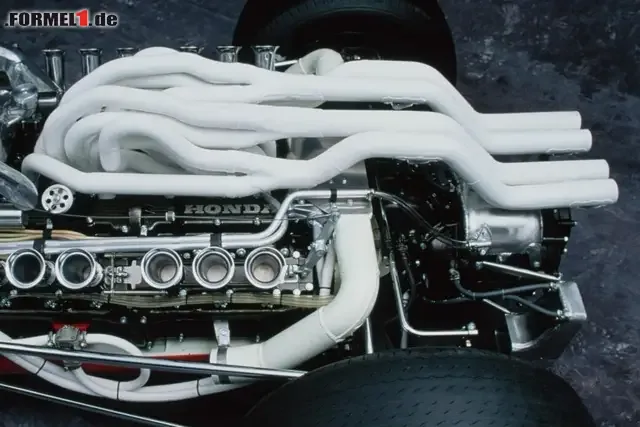
Honda Formula 1 power units since 1964
“Regarding reliability, however, it could become challenging if the fuel flow increases. That is one of the more difficult points of this regulation change.”
“We brought some updated parameters and tuning [in Montreal] and saw positive data.”
“The drivers still have many requests for improvement. But the data shows positive developments, confirming that our direction is correct. Nevertheless, there is a gap between the drivers’ demands and our torque delivery.”
“However, we see ways to reduce this gap. At the previous event, it was still difficult to precisely tune the torque delivery to the driver. Now we have found a method to reduce this difference, and it worked here.”
“We will continue to work in this direction to close the gap between driver demand and torque delivery.”
Aston Martin and Honda still have a long way to go to fully overcome the crisis. The back-shaking vibrations are under control, but the resulting follow-up problems are now appearing one by one and are being addressed step by step.
Although Alonso managed to extract some short but promising performance moments from the car in Canada, for now the team must continue to face the familiar “What happens next?” questions while battling the disappointing reality. In a crisis, pragmatism prevails.
Read more Rob Smedley about Kimi Antonelli: «A generational talent»