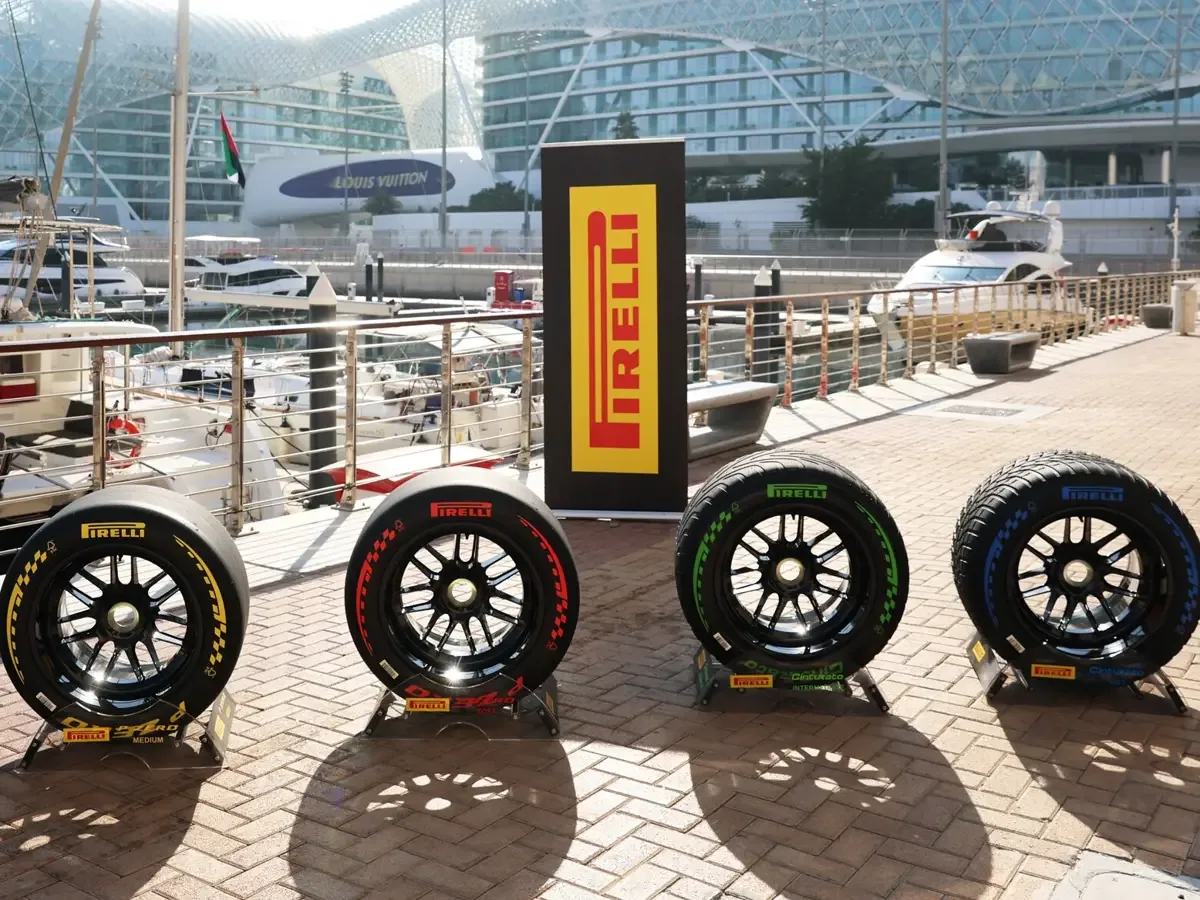
(Motorsport-Total.com) – Pirelli is advancing the development of tires for the 2026 Formula 1 season with a combination of virtual simulations and classic track tests. The Italian manufacturer recently gave selected journalists insights into its work at the research and development center in Milan.
Read more Why Frustration Management is a Priority for Aston Martin
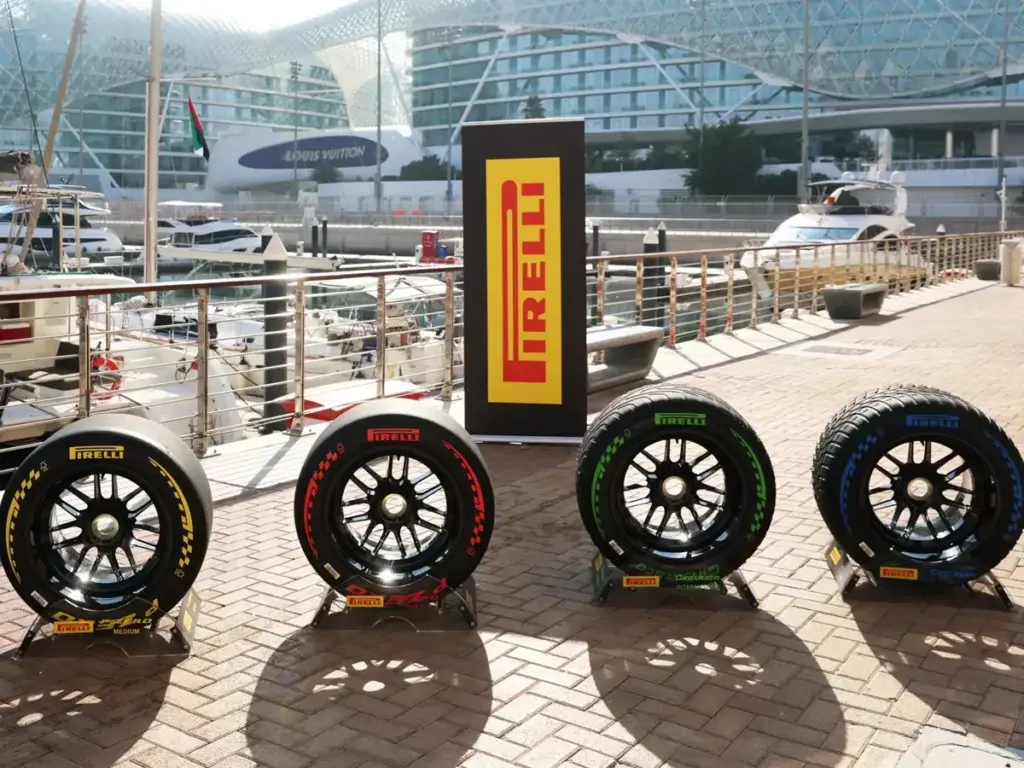
The tires are considered the only connection between a Formula 1 car and the racetrack, thus playing a crucial role in performance. At the same time, the tires must keep pace with the profound regulation changes of the current season and continuously evolve. To meet this challenge, Pirelli increasingly relies on modern development tools.
The visit in Milan took place following the Miami Grand Prix. Unlike the production facility in Slatina, Romania, the plant in Milan serves as a modern development center. According to Pirelli, around a thousand people work there. In addition to virtual simulation rooms, the facility has several floors with various test benches and laboratories.
Combination of Simulation and Real Tests
Special focus is placed on the combination of digital and physical tests. “We develop the tire using state-of-the-art methods on computers and test benches, but in the end, a real tire must still be validated to check whether certain concepts also work on the track,” explains development head Guido Carosio.
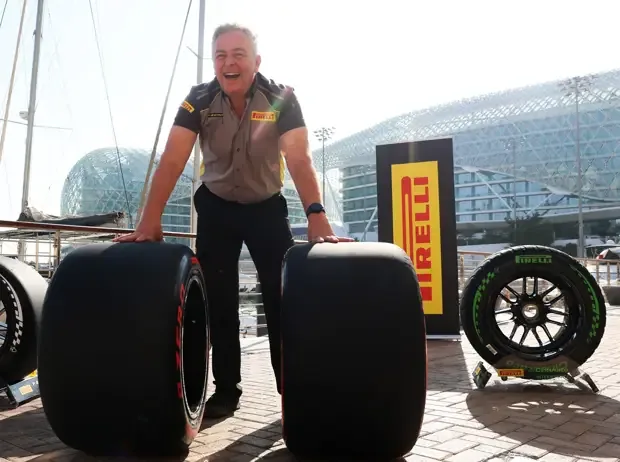
According to Carosio, the work thus begins with a virtual version of the tire. First, the construction and materials are simulated. Nevertheless, real tests are indispensable: “Once the construction and compounds have been defined, physical tires are needed to see if the construction actually delivers the desired behavior.”
Traditional methods also continue to play a role in Milan. In a special department, employees referred to by Pirelli as “Scorbiatori” manually cut different tire profiles into the tires. Genuine Italian craftsmanship. The manual processing serves to test new profile variants and concepts under real conditions.
Test Bench to Simulate Real Conditions
Another central element in Milan is the so-called indoor test bench. Various road surfaces can be simulated there by precisely controlling speed, temperature, and movements. According to Pirelli, the system is fully automated and allows multiple sets of tires to be tested under identical conditions.
Read more Racing Bulls attack in Canada: New updates and Fallows debut
“We can compare different tire types with different characteristics and analyze the effect of construction, compound, and profile exactly,” says Carosio. The test bench also enables reproducible results and excludes external influences.
Data Analysis as an Important Part of Development
Besides the indoor tests, data evaluation also plays an important role. Pirelli feeds the gained insights into its own vehicle simulators to predict tire behavior under various conditions. The goal is not only to increase absolute performance but also to better understand differences between various compounds.
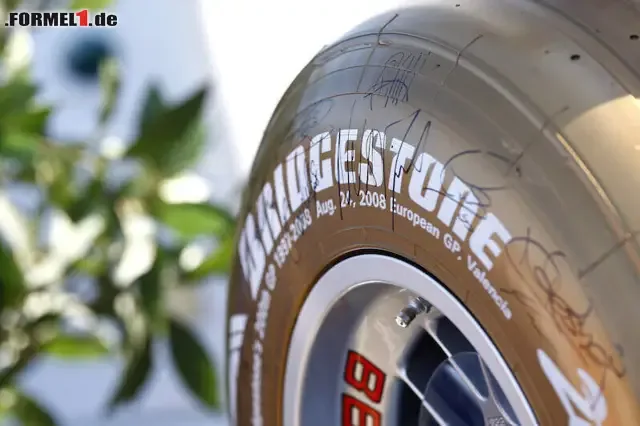
Black Gold: All F1 Tire Manufacturers
According to Pirelli, the development of tires for 2026 is particularly demanding. The new cars feature different aerodynamic concepts and technical specifications, which also change the requirements for the tires. Additionally, the simulation results differed significantly from each other in an early phase.
“The task is complex because Formula 1 tires nowadays are very demanding,” Carosio continues. “But that is exactly what makes the work interesting.”
This weekend at Circuit Gilles Villeneuve, known for hard braking points and changing grip conditions, tire management plays a central role. It will be especially interesting to see how Pirelli’s soft compounds behave under the track’s demands.
Read more Formula 1: Bernd Mayländer explains the history of the safety car