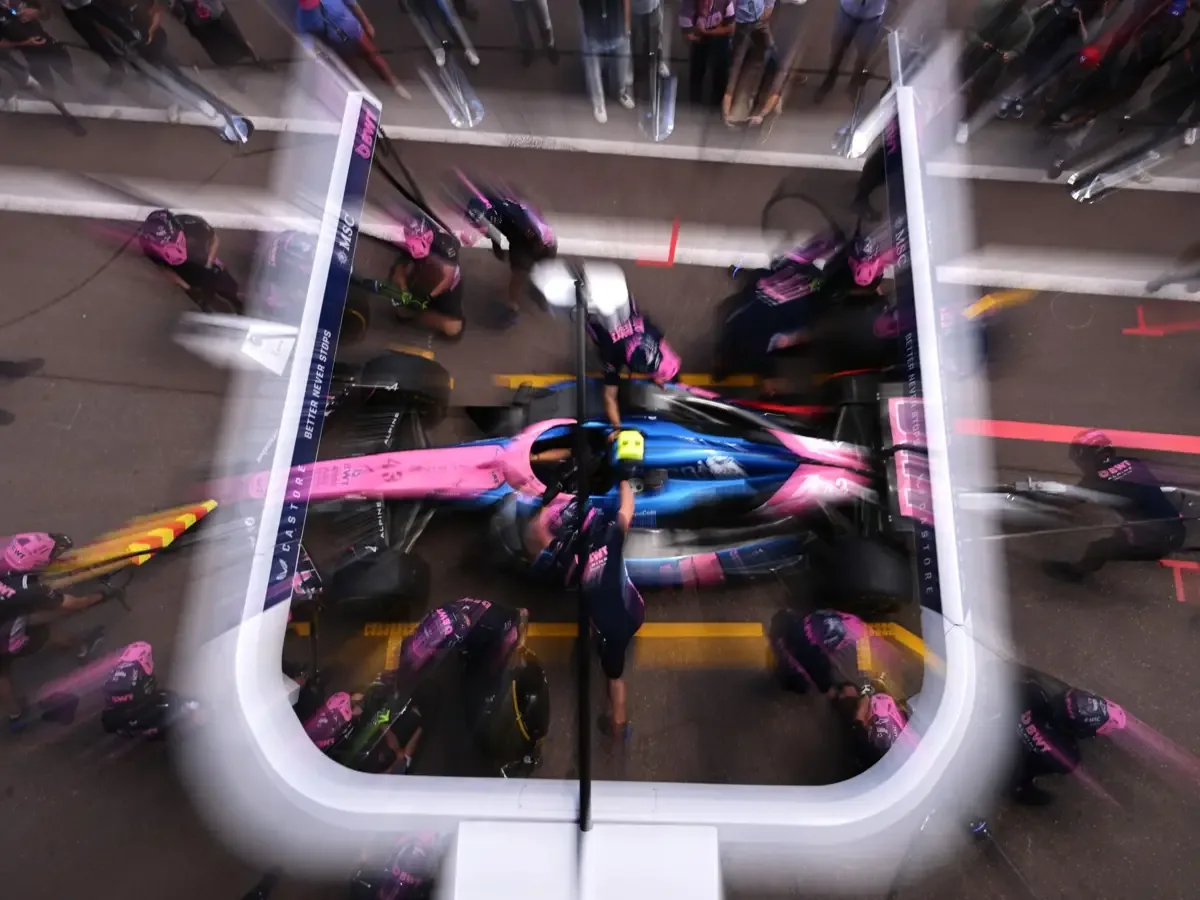
(Motorsport-Total.com) – Following the controversies of the past year, Formula 1 will dispense with mandatory pit stops for the Monaco Grand Prix in the future. As the latest version of the Sporting Regulations for 2026 shows, the FIA World Motor Sport Council (WMSC) has also decided on an adjustment to the qualifying format.
Read more FIA relents: What’s behind the change of course in the F1 engine dispute
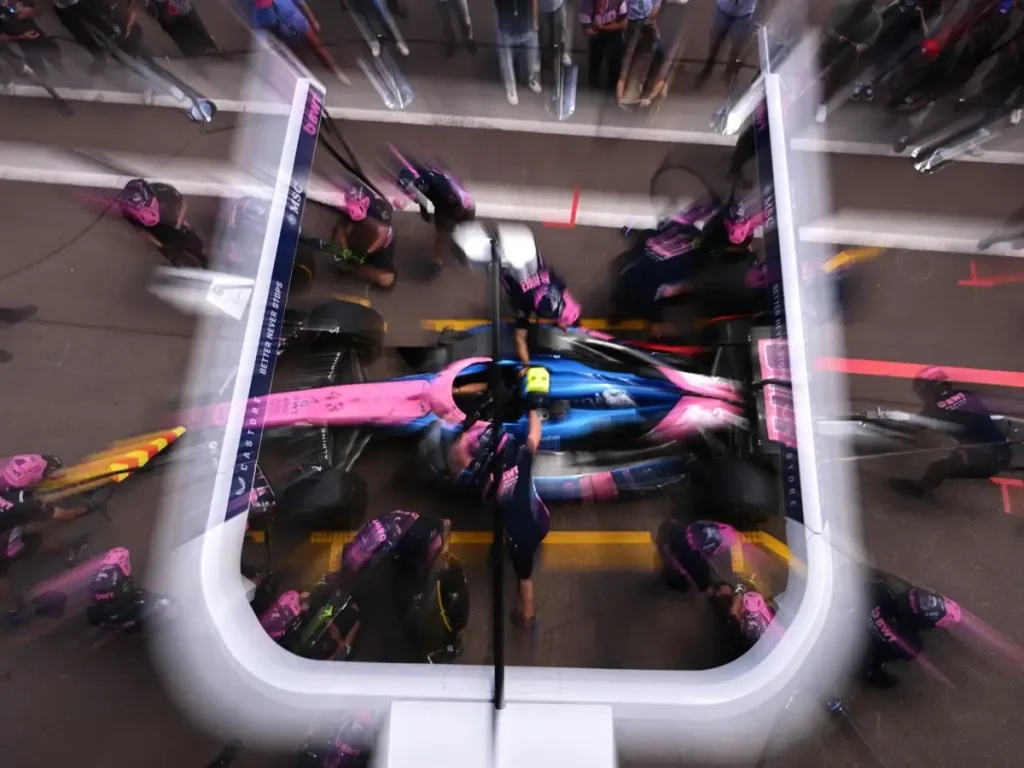
To solve the overtaking problem in the narrow streets of Monte Carlo, the FIA had prescribed the use of three sets of tires last year. This was intended to force teams into a two-stop strategy and provide more excitement. However, the move backfired: teams like Racing Bulls or Williams used the rule for tactical maneuvers in which one driver slowed down the field massively to open a pit stop window for their teammate.
This tactic led to drivers sometimes driving more than four seconds per lap slower than the car would have allowed. Williams team principal James Vowles was less than enthusiastic about this necessity at the time. “That was the most uncomfortable feeling I’ve ever had. I want to go out there and fight for points that you’ve earned, instead of having to manipulate the system to achieve them,” said Vowles.
Q3 to be one minute longer in the future
Although the regulation had initially been anchored in the 2026 regulations via e-vote, the association has now backtracked. Nikolas Tombazis, the FIA’s single-seater director, had already hinted that the change was not set in stone. In the latest version of the rulebook, the corresponding passages for Monaco have now been deleted without replacement.
In addition to the decision on the Monaco race, there is a formal change to the qualifying mode. The decisive phase of the final ten, Q3, will be extended by one minute starting from the 2026 season. This means the battle for pole position will last 13 minutes instead of the previous 12.
With Cadillac joining as the eleventh team on the grid, the number of vehicles eliminated in Q1 and Q2 will also increase. As the field grows to 22 cars, six drivers instead of five will be eliminated in each of the first two segments. However, this adjustment was already provided for as a standard procedure in the regulations for larger grids and did not require a separate redrafting of the statutes.
Read more Pirelli tire test cancelled: Fear in Bahrain after Iran attack
Cooling vests remain optional for drivers
The FIA made another U-turn regarding measures against extreme heat. After the grueling 2023 Qatar Grand Prix, where many drivers suffered from symptoms of heat exhaustion, cooling vests were actually supposed to become mandatory for 2026. These plans have now been scrapped.
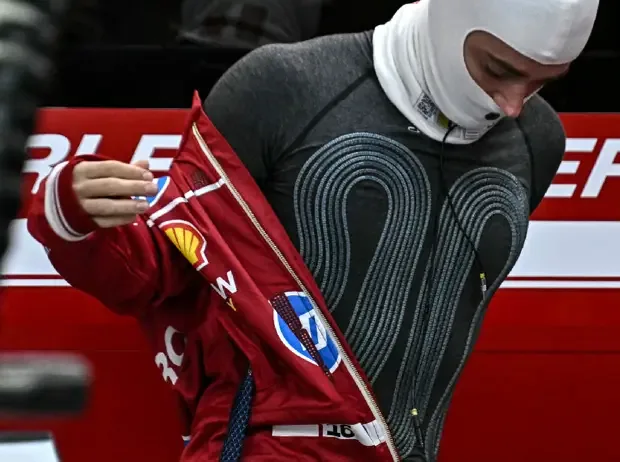
Last year, the FIA already introduced a “Heat Hazard” warning, which is activated as soon as temperatures on the race weekend exceed the 31 degrees Celsius mark. In this case, all cars must have the necessary components for operating a cooling vest on board. Drivers have so far been able to opt out of wearing the bulky vests, but then had to carry additional ballast weight.
The planned general mandatory requirement met with little approval, as opinions in the paddock diverged regarding the effectiveness and comfort of the vests. The FIA therefore decided to maintain the voluntary nature. The rulebook now states: “However, each driver is free not to wear any parts of the personal equipment that are part of the cooling system for the driver. In such a case, all other components of the cooling system, including any cooling media, must be installed.”
Additionally, the weight difference between the normal equipment and the parts of the cooling system not worn must be compensated for by 0.5 kilograms of ballast in the cockpit. This ballast is added to the total mass of the vehicle. While the additional weight limit for cooling systems in races and sprints remains at five kilograms, it has been reduced to two kilograms for qualifying sessions.
Read more Derating & Super-Clipping: The hidden time losses in qualifying