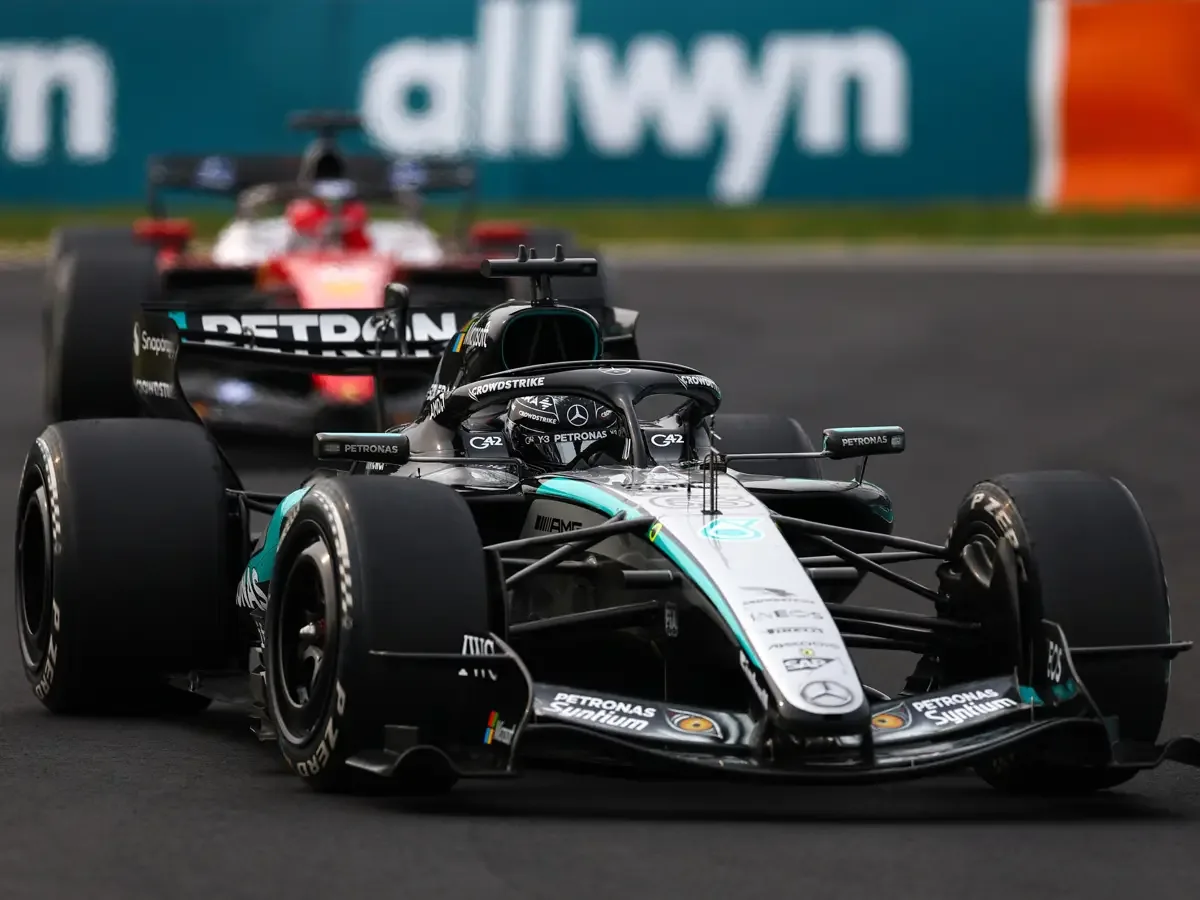
(Motorsport-Total.com) – The asphalt in Suzuka has barely cooled down as the premier class falls into an unwanted state of shock. For five weeks, the engines will remain silent before the circus picks up speed again in Miami on May 3.
Read more Points in every race: Haas continues to enjoy fourth place in the championship
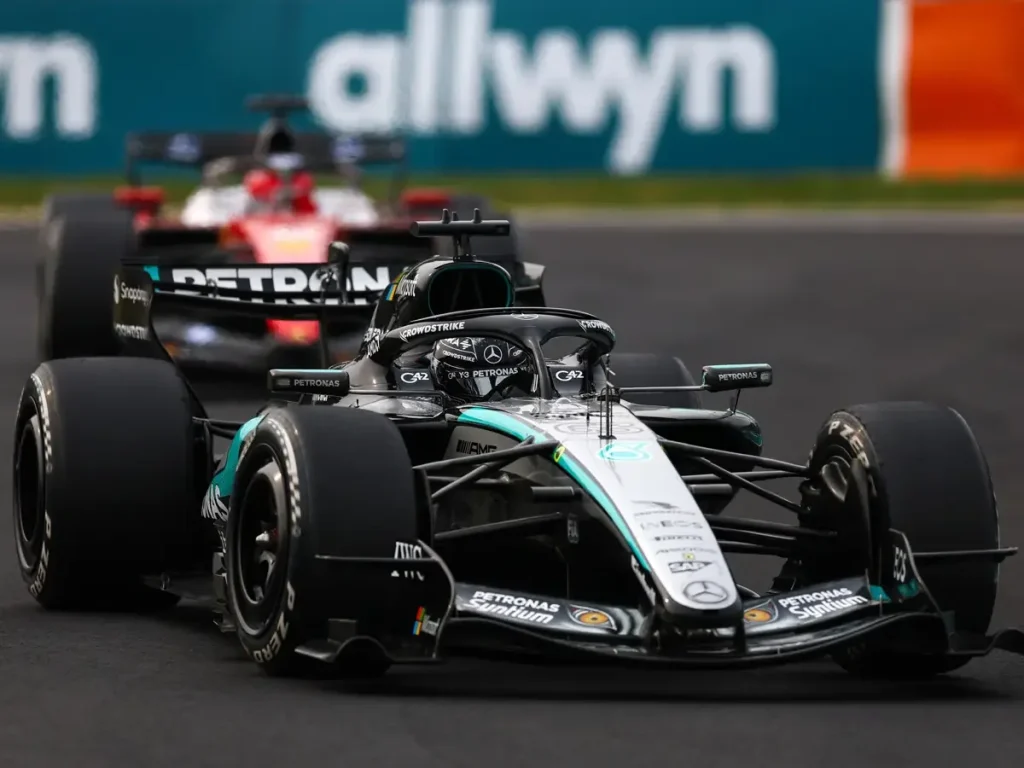
The reason for this unprecedented forced break lies in the geopolitical escalation in the Middle East. The war between Israel and the USA against Iran made holding the races in Bahrain and Saudi Arabia impossible for security reasons. Since possible replacement dates in Portugal or Turkey were also rejected, the World Championship calendar shrinks from the original 24 to now 22 stops.
This forced break leaves a deep furrow in the racing series’ balance sheets. The organizers of both Grands Prix pay around 100 million euros annually to Formula 1 – funds that Formula 1 is now missing. For the racing teams, this means a noticeable drain, as each team loses several million from the prize money pot.
The fact that the teams have to burn less budget for spare parts in return only partially alleviates the financial pain. At least the TV revenues remain stable, as the contractually fixed minimum number of races is still being met.
The Mercedes dilemma and the ticking clock
While the accountants are calculating, the computers in the factories are glowing. The involuntary timeout fuels a new development battle. Problem children like Williams, whose cars are struggling with over 20 kilograms of excess weight, or Aston Martin with the so far disappointing Honda power unit, are using the breathing space for massive error correction.
But the top teams are also gearing up. Ferrari team principal Frederic Vasseur predicts a complete reset: “Everything will change, it will be a new season.” In Maranello, Woking, and Milton Keynes, engineers are preparing update packages that could reshuffle the field in Florida.
Read more New Audi team principal? Expert suggests possible internal candidate
Suzuka: The driver ratings from Marc Surer and the editorial team
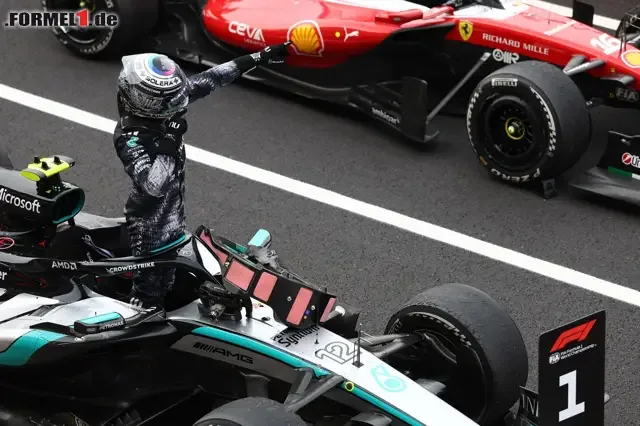
The break is particularly bitter for the Mercedes camp. The Silver Arrows dominated the start of the season; child prodigy Kimi Antonelli and George Russell shared the victories in Australia, China, and Japan among themselves.
But behind the current dominance lies a technical trick for more engine power, whose expiration date is relentlessly approaching: On August 1, the regulatory window for this specific advantage closes. Due to the canceled April races, valuable opportunities to convert this lead into points are vanishing.
Pilot rebellion against the technical revolution
Hovering over everything is the fundamental debate about the new era of Formula 1. The drivers are increasingly rebelling against their role as mere “energy managers.” The high dependence on the electric portion of the engine forces superstars like Max Verstappen and Lando Norris into tactical restraint instead of unconditional full throttle.
Many drivers emphasized the urgency of corrections after Oliver Bearman’s heavy crash in Japan revealed the dangers of massive speed differences caused by the electric boost. When the lights in Miami turn green again, it won’t just be a race starting, but a completely new phase of this World Championship.
Read more Expert: Formula 1 drivers mentally «completely exhausted» by new regulations