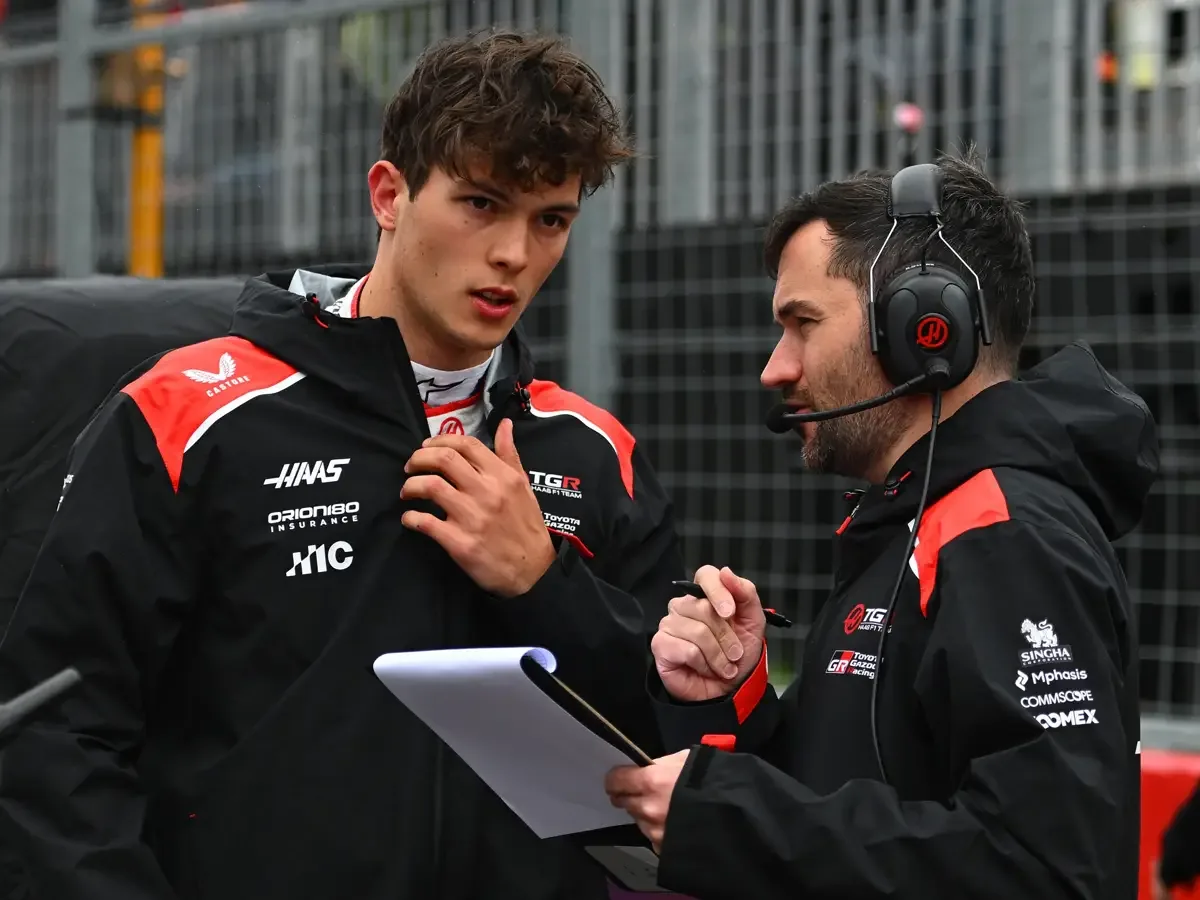
(Motorsport-Total.com) – The adjustments to the Formula 1 rules for 2026, according to Oliver Bearman, not only have technical consequences but also lead to a significantly higher need for coordination within the teams. The Haas driver describes managing the electrical energy as one of the most complex challenges of the new regulations.
Read more After Montoya’s criticism: Now Max Verstappen fires back!
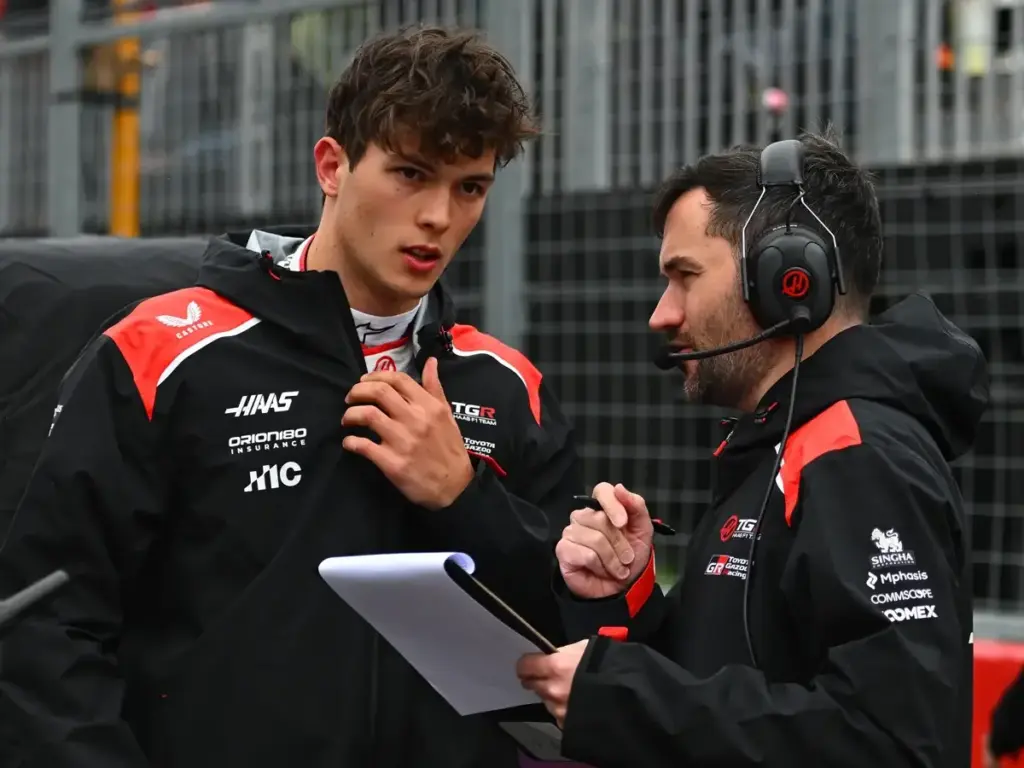
A central task is to optimally use the available electrical energy over a lap while simultaneously recovering enough energy. Since the FIA specifies various parameters, the teams must calculate individually for each track where energy should be used or saved.
Energy storage is limited to four megajoules, while up to nine megajoules can be used depending on the track section, which requires particularly precise planning.
Although the FIA publishes usage limits, engineers still have to analyze numerous details to identify areas with low power output or additional energy gain. The goal is an optimal balance between energy use and energy recovery, which varies depending on track characteristics—such as straight length, corner layout, and corner radii.
“A lot of numbers on a sheet of paper”
The complexity of the new regulations is particularly evident in the analysis of energy data, according to Bearman. “There are a lot of numbers on a sheet of paper,” Bearman explains. “And indeed, the lap distances are also somewhat confusing. Fortunately, we have a good group of people upstairs who do all the work for us and sort it out.”
Read more Franz Tost: What sets Sebastian Vettel and others apart from other drivers
Montreal: Driver ratings from Marc Surer and the editorial team
The additional complexity is also noticeable in everyday work, according to Bearman. “Of course, there is much more to discuss,” says the Brit. “For example, we now have a fixed meeting of 45 minutes to an hour at every race weekend where we go through how we use the energy and where it is most effectively applied on the straights.”
FIA eases some issues of the 2026 regulations
Before the Miami Grand Prix, the FIA announced changes to the energy regulations. The background was the concern that drivers would be forced to lift and coast too much on some tracks or could lose power before the end of long straights. The adjustments are intended to mitigate these effects and improve the drivability of the new cars.
However, they cannot completely solve the underlying problem. Haas chief engineer Gary Gannon emphasizes that the energy balance still needs to be carefully managed: “If you reduce the amount of energy recovered, the amount you can use also decreases.”
Nevertheless, Bearman sees progress in dealing with the new requirements: “It is definitely another topic to think about. But now that we are getting used to it, we are making progress step by step.”
Read more Franz Tost: Vettel and Verstappen are «insane egotists»