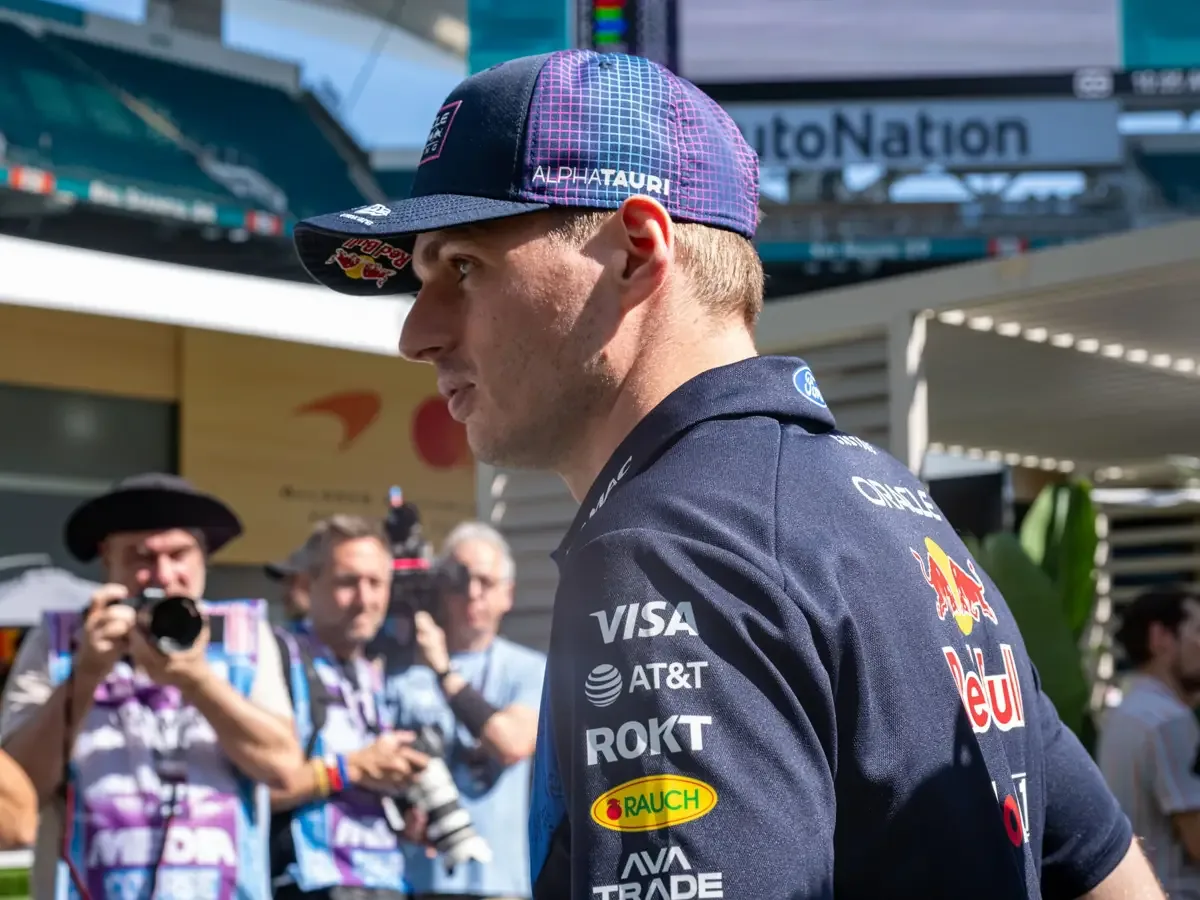
(Motorsport-Total.com) – After a five-week break, the return of Formula 1 in Miami was under special observation. At the race in the USA, the series introduced several changes aimed at the new rules for 2026. These had met with mixed reactions since their introduction.
Read more Is McLaren now a contender for both world championship titles again, Andrea Stella?
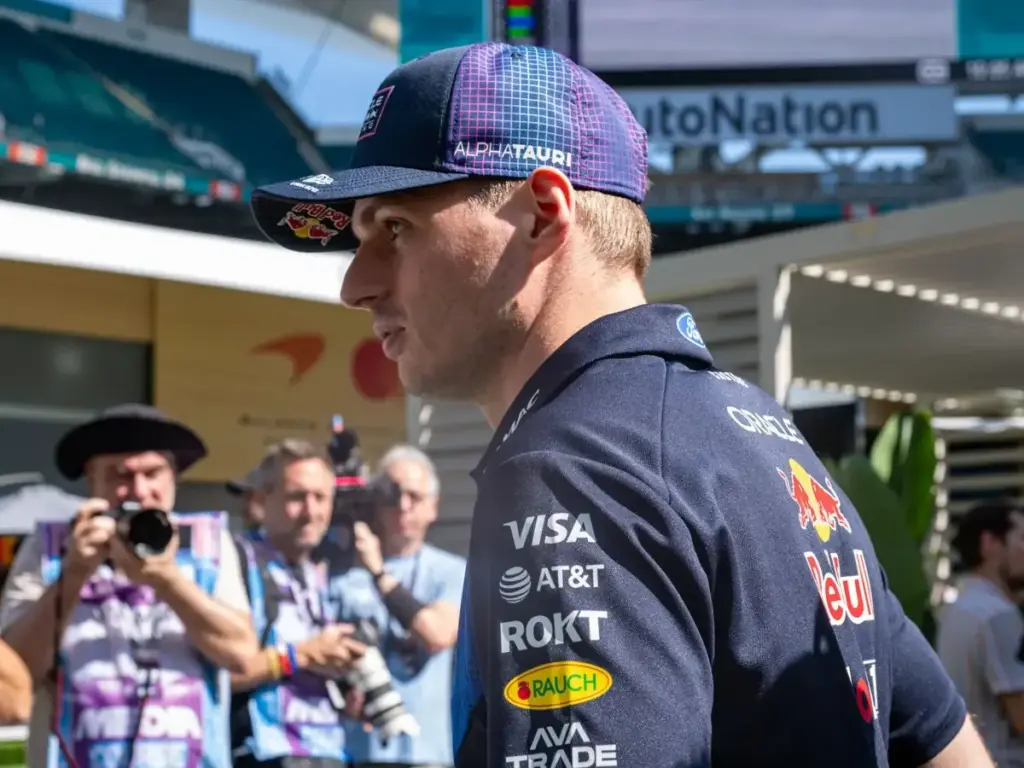
For the 2026 season, smaller and lighter vehicles were introduced to enable closer duels. In addition, new hybrid drives were used, where the energy comes roughly equally from electric and conventional power.
This aspect in particular is causing discussions. Critics complain about “artificial” overtaking maneuvers due to the additional electric boost as well as the increased focus on energy management.
Max Verstappen has also already expressed critical views on the new rules several times. He called them “Formula E on steroids” and explained that anyone who likes them does not understand real racing.
First adjustments show limited effect
The criticism of one of the most popular drivers did not go unanswered. The officials made adjustments to energy recovery and usage to improve the racing action.
“It has gotten a little better,” says Charles Leclerc after the race. “The duels themselves, I think, have not changed massively. Some things changed in qualifying. It was a step in the right direction.”
Among the changes is the reduction of energy recovery in qualifying from eight to seven megajoules. This made the cars somewhat slower but should allow them to be driven closer to the limit. In addition, the FIA increased the so-called superclipping power to 350 kilowatts to make the speed profile more predictable.
Drivers still see structural problems
Lando Norris also appears skeptical after the race: “It is a small step in the right direction, but not yet at the level Formula 1 should be.” He adds: “If you push flat out everywhere in qualifying like in previous years, you are still punished for it. You can’t drive flat out everywhere. It should never be the case that you are punished for that.”
Read more Zak Brown: Formula 1 is «24 Super Bowls» for fans
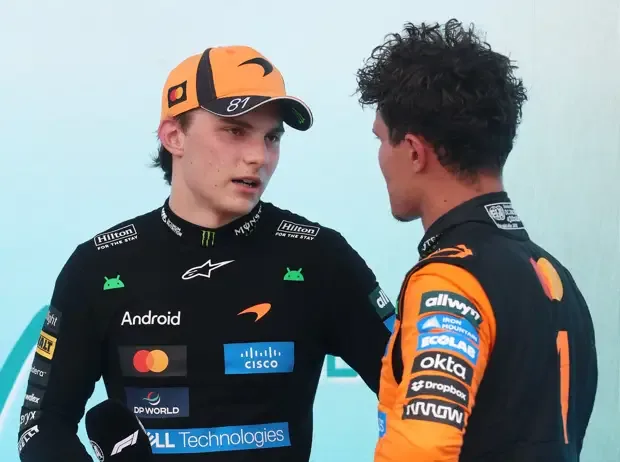
His teammate Oscar Piastri expresses a similar view: “I think the reduction of energy recovery in qualifying helped a little. It hasn’t completely solved the problem, but it helps in one point.” About the races he says: “They have basically stayed the same. Today was my first real experience with overtaking and defending. And honestly, it’s pretty crazy.”
Piastri also points to still large differences in approach speeds, which are difficult to assess and therefore dangerous. This is an area the FIA actually wanted to improve after a serious accident of Bearman in Japan.
Verstappen remains critical, Piastri hopeful
“The cooperation between FIA and Formula 1 was good,” explains Piastri. “But with the existing technology, only limited changes can be made. Further adjustments are definitely needed for the future. The question is how quickly this can be implemented.”
Critic Verstappen, on the other hand, sticks to his assessment: “What I said before about the regulations still applies. It is still not how I would like it to be.”
He elaborates: “It still punishes you. The faster you go through the corners, the slower you are on the next straight. It shouldn’t be like that. But at least my car works a bit better, so it is less stressful to drive.”
Mixed conclusion in the rest of the field
A similar picture emerges across the driver field. Sergio Perez speaks of a “step in the right direction” that can lead to “significantly fewer complaints.” Gabriel Bortoleto explains that the changes felt “a bit better” in qualifying, even though the lap times were about 1.5 seconds slower than the previous year.
The revised rules are now to be observed further before new adjustments are decided. At the same time, the FIA is already working on the engine rules for 2027, which could include a lower dependence on electric energy.
Read more Lewis Hamilton demands more rule power for Formula 1 drivers