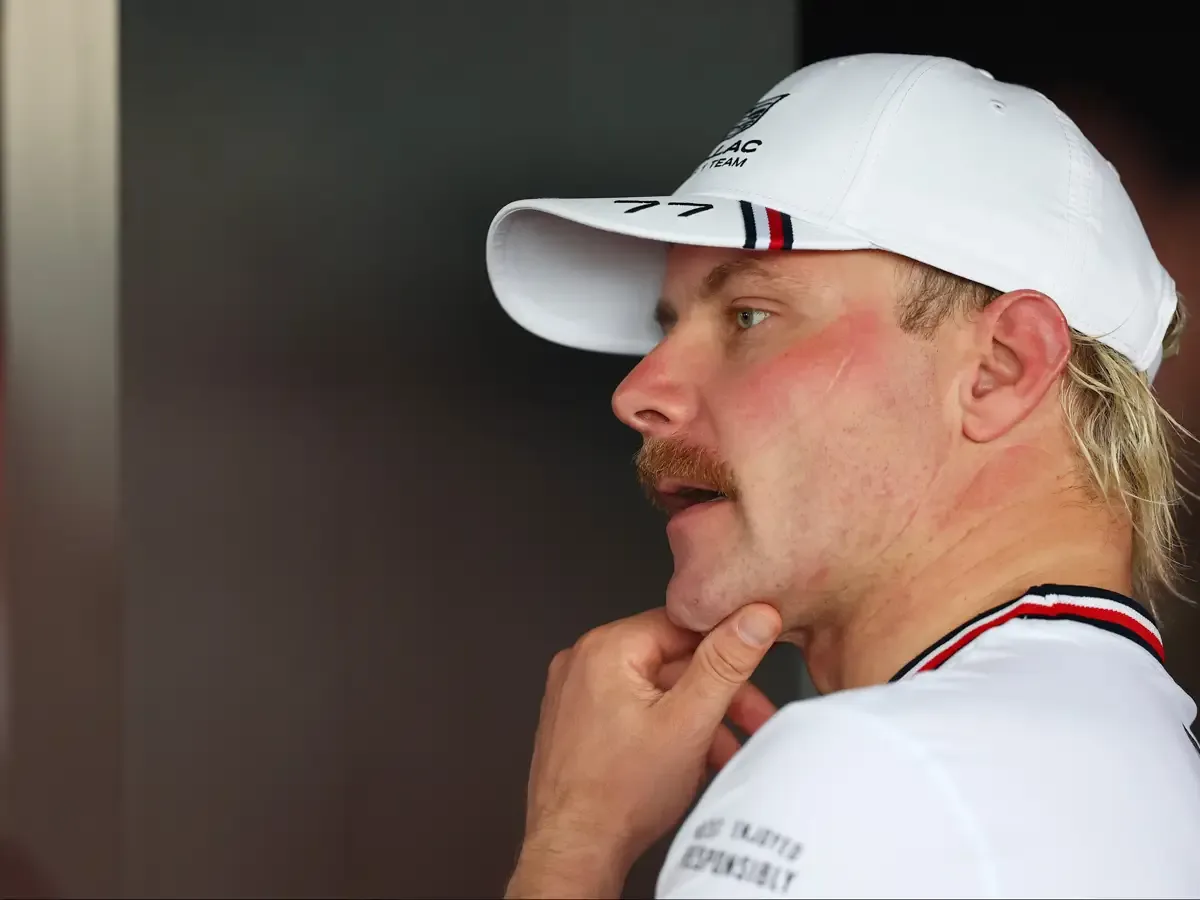
(Motorsport-Total.com) – The serious accident of Oliver Bearman at the Japanese Grand Prix triggered a remarkable dynamic in the paddock. As Valtteri Bottas describes, the internal communication among the drivers then ran at full speed – and not in official meetings, but mainly digitally.
Read more No chance for Ferrari? Charles Leclerc skeptical before Miami
“All drivers were in a WhatsApp group, and we communicated a lot there,” explains Bottas. Especially after the Japan weekend, there were consultations and intense discussions. The goal: to find a common line towards the FIA.
According to Bottas, it is crucial that the drivers present a united front: “Usually only a few drivers speak directly with the FIA, but they do so on behalf of everyone.”
The unity in the field seems greater than usual. Especially in a phase of growing criticism of the rules for 2026, it was important to react quickly. The Bearman crash acted like a catalyst – not as the sole cause, but as a clear warning signal for many drivers.
Small steps instead of a big revolution: Drivers see progress
Substantively, many drivers evaluate the recent adjustments as sensible, albeit cautious. Bottas speaks of a “step in the right direction.” Specifically, it mainly concerns the reduction of speed differences during approaches as well as less aggressive “clipping” effects on the straights.
“It is not a big change, but a start,” emphasizes Bottas. According to the drivers, this is exactly where the challenge lies: Radical interventions are hardly feasible in the middle of the season without distorting the balance of power in the field. “You don’t want to punish teams that have done good work,” says the Finn.
Pierre Gasly also strikes the same chord. The adjustments are not a “gamechanger,” but an important test run: “It goes in the direction we have demanded.” It is now crucial to observe the effects on the track and sharpen them if necessary.
More say for the drivers: Communication significantly improved
A central point highlighted by several drivers is the improved cooperation with the FIA. Gasly even speaks of the “best communication in a long time.” The drivers feel more involved – an aspect that was often criticized in the past.
“We sit in the car, we feel everything,” explains Gasly. Accordingly, the feedback from the drivers, which is now more strongly considered, is valuable. At the same time, he emphasizes that the interests remain complex: Teams, manufacturers, and the FIA must be equally considered. Nevertheless, one factor stands above all: safety.
Read more FIA takes action: Overtake boost banned in rain from Miami onwards
Charles Leclerc also highlights the new culture of discussion. Particularly remarkable was that the drivers consciously excluded performance topics to focus on the driving feel and the characteristics of the cars. “We wanted the cars to feel more like Formula 1 again,” says Leclerc.
Bearman himself: Accident as a trigger, but not a turning point
For Bearman himself, his accident plays a special role – however, he relativizes its influence. “My crash helped, but it did not change the main issues,” he clarifies. Rather, the discussions had already been initiated beforehand.
His insights into concrete changes are interesting: For example, the start of a qualifying lap will be automated in the future instead of being manually controlled via the throttle position. “Previously, we sometimes had to look at the display to hold exactly 50 percent throttle – that is dangerous,” explains Bearman. Automation is therefore a clear safety gain.
Nevertheless, he remains cautious: Simulations can only provide limited insight because they do not realistically depict behavior in traffic. “When other cars come into play, everything changes,” says Bearman. The real test is yet to come.
Patience required: Drivers rely on gradual development
Liam Lawson also views the process positively overall but urges patience. The past weeks have helped to analyze problems in detail and discuss constructively. At the same time, everyone involved is aware that you cannot “just turn everything upside down.”
This gradual approach is considered sensible by many drivers. Instead of hasty decisions, iterative improvements are relied upon – also because today’s Formula 1 cars are extremely complex. Every change can have unpredictable side effects.
Leclerc sums it up: “It’s about not overreacting.” The current adjustments are a good start, but development will continue. The upcoming race weekend in Miami is likely to be the first real assessment – and show whether the chosen path is indeed the right one.
Read more Software issues slow down FIA: New start system delayed