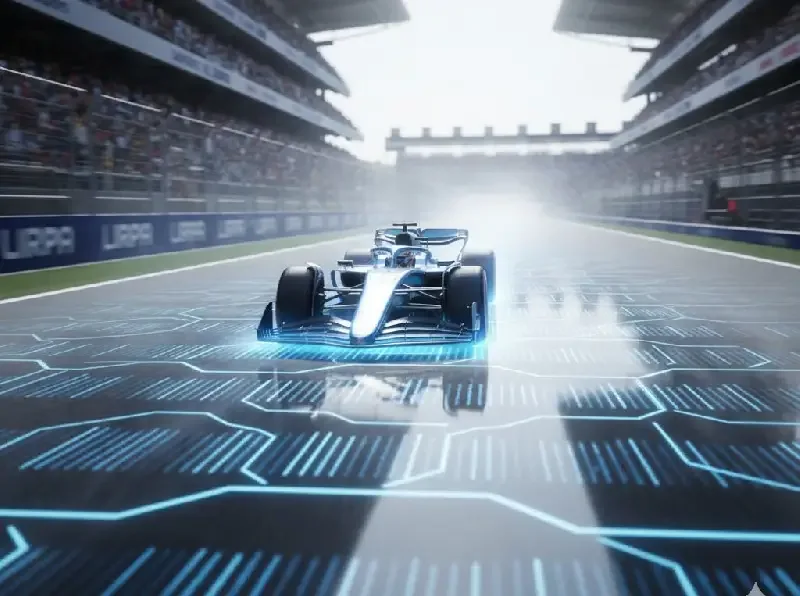
(Motorsport-Total.com) – Following the dramatic incidents at the Japanese Grand Prix, when Oliver Bearman lost control of his car and collided with the wall after a massive drop in performance on Franco Colapinto’s vehicle, Formula 1’s new engine regulations are under massive criticism.
Read more Team principal applies pressure: The FIA must finally act!
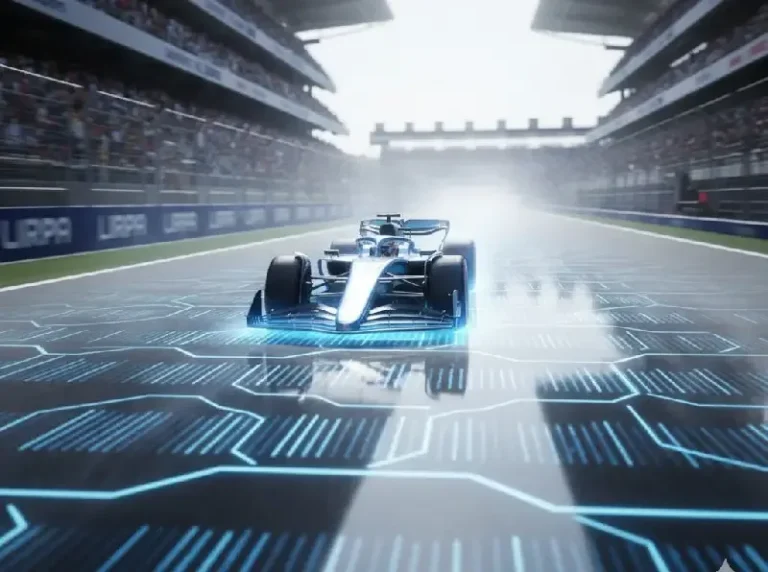
The so-called “superclipping” is problematic. The sudden end of electrical support at the end of the straights makes the races not only unpredictable but obviously also dangerous.
Huge speed differences of sometimes over 90 km/h at the end of the straights have led to calls for an immediate adjustment to prevent rear-end collisions at speeds of 340 km/h.
Since the start of the season, clipping problems have increasingly become part of the standard repertoire of technical analyses at the pit walls. Due to the high electrical share of the power units, recuperation via the MGU-K is not sufficient on many tracks to keep the battery capacity stable over the entire lap.
The victims of this development are the fans due to the unpopular “yo-yo racing”: constant position changes that are not based on driving skill but on the mere management of discharge cycles. Drivers complained that they would drive “as if against a wall” on the straights as soon as the deployment ends.
Especially in Barcelona, where aerodynamics traditionally play a major role, teams feared a tactical stalemate due to empty energy storage units.
Strategic PitBoost: 18 Megajoules in 15 Seconds
Catalunya specialists are now sitting up and taking notice: This is where a two-stage package of measures from the FIA comes in. Starting exactly with the Barcelona-Catalunya Grand Prix (14. June 2026), the so-called “PitBoost” will be introduced in cooperation with the British charging specialist Fortescue.
Behind the concept is a direct adaptation of fast-charging technology from Formula E, but raised to the absolute technological maximum. Via a special high-performance contact at the rear of the vehicle, electricity is pressed into the energy storage unit during a mandatory pit stop with a peak power of 1,2 Megawatts (1.200 kW).
Energy expert and head of the FIA’s Technical Research Group Naysan Pehla explained to our sister portal Motorsport.com: “We are giving the strategists a tool to actively compensate for the deployment deficit.”
“Also relevant for tactical planning is the fixed minimum stationary time of 15 seconds. This allows exactly 18,0 Megajoules of additional energy to be transferred.”
Read more Surprising verdict from Damon Hill on the Formula 1 rules
In addition, a sub-item of the new technical directive TD-0104/26 requires teams to handle the charging process via a standardized interface to prevent manipulation attempts on the energy flow rate.
Graphics on the charging data are also to be integrated into the TV broadcast in real time so that viewers can follow the fill level of the energy storage unit live during the stop.
Pehla is correspondingly optimistic about the tactical value: “This will completely change the classic undercut. A lightning-fast tire change without energy transfer could be tactically less valuable than a 15-second PitBoost stop, which guarantees the driver full electrical performance for the following stint.”
Induction Loop: 1 Megajoule per Lap
Loop systems mark the second pillar of the plan: “Dynamic Induction Charging” (DIC). Special induction loops from Spanish partner “LIRPA Engineering” have been laid under the asphalt both on the start-finish straight and shortly before and on the back straight (from Turn 8).
Suzuka: Driver ratings by Marc Surer and the editorial team
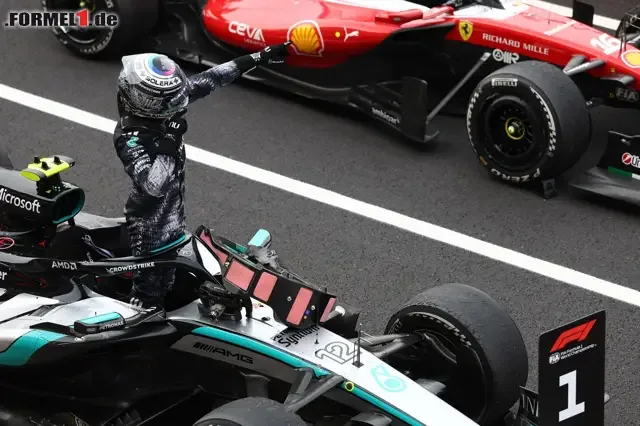
Cars driving over the novel charging option can absorb additional energy to prevent clipping in the crucial acceleration phases. The technical directive allows a total intake of 1,00 Megajoules per lap, distributed over both sections.
Chief developer of LIRPA, Dr. Alejandro Abril: “The DIC in Barcelona is a test run. If we get the yo-yo effect under control here, inductive energy supply will be made standard from 2027.”
Doubts in the paddock and “NetZero” ergometer solution
Meanwhile, a former world champion who wishes to remain anonymous expressed doubts about the sporting integrity: “To be honest, we’re building a life-size slot car track here. First the wings fold away, now we’re recharging on induction strips. All that’s missing are the banana peels from video games.”
A technical component of the project is also the FIA’s “NetZero” strategy. To sustainably meet the massive power demand for the 1,2-MW chargers, mobile SMR containers are being used in the paddock.
Question marks currently only remain behind a proposal from a member of the FIA working group that mechanics could “pedal” additional Megajoules on special ergometers in the garage to unlock them as bonus energy during the pit stop. An idea that would probably only be considered for the 2028 regulations at the earliest.
Read more Escape from Formula 1: Jenson Button on Max Verstappen