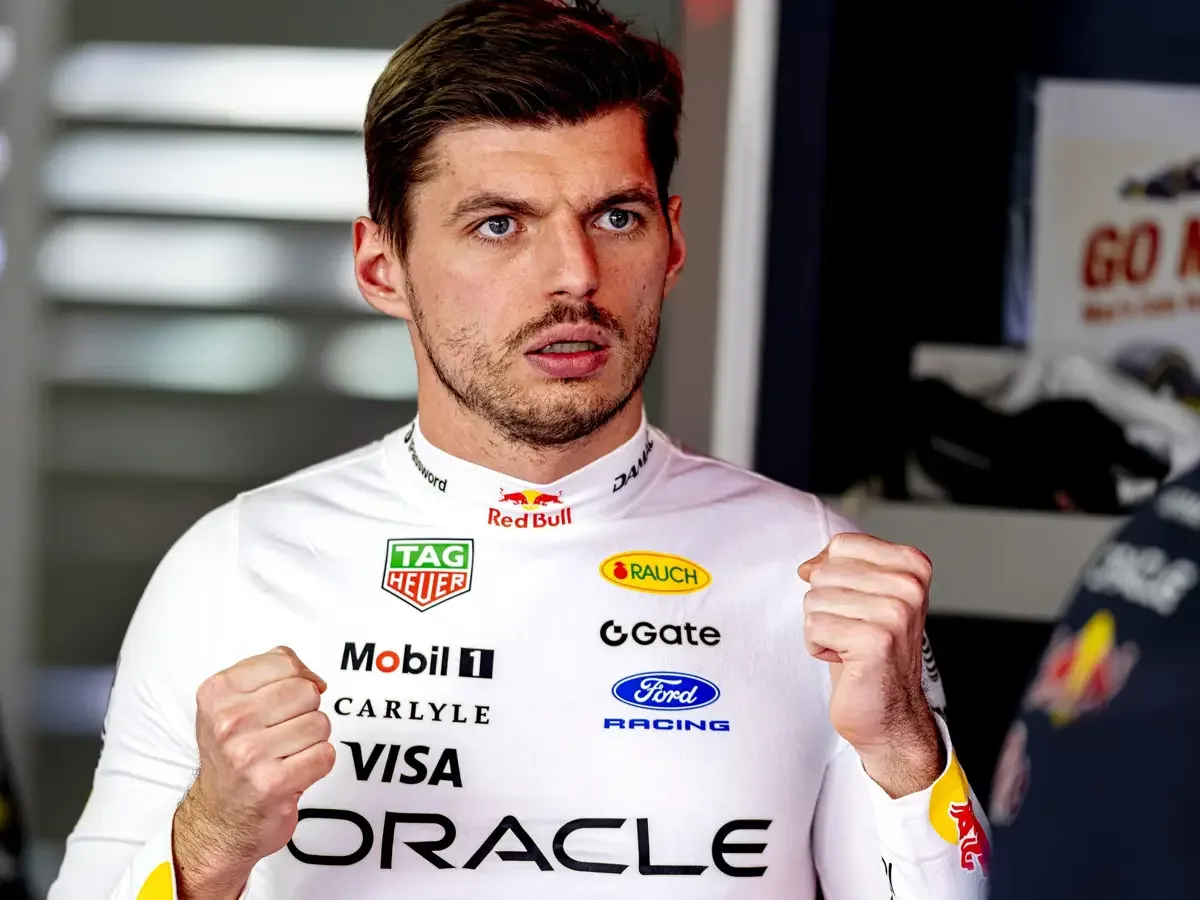
(Motorsport-Total.com) – You first have to let the irony sink in: Max Verstappen sharply criticizes the current state of Formula 1, while at the same time praising GT3 racing in the highest terms – of all things, a category that is the prime example of artificial regulations and in which participants regularly complain about the Balance of Performance (BoP).
Read more Tech Revolution: Formula 1 gets PitBoost and Induction Asphalt
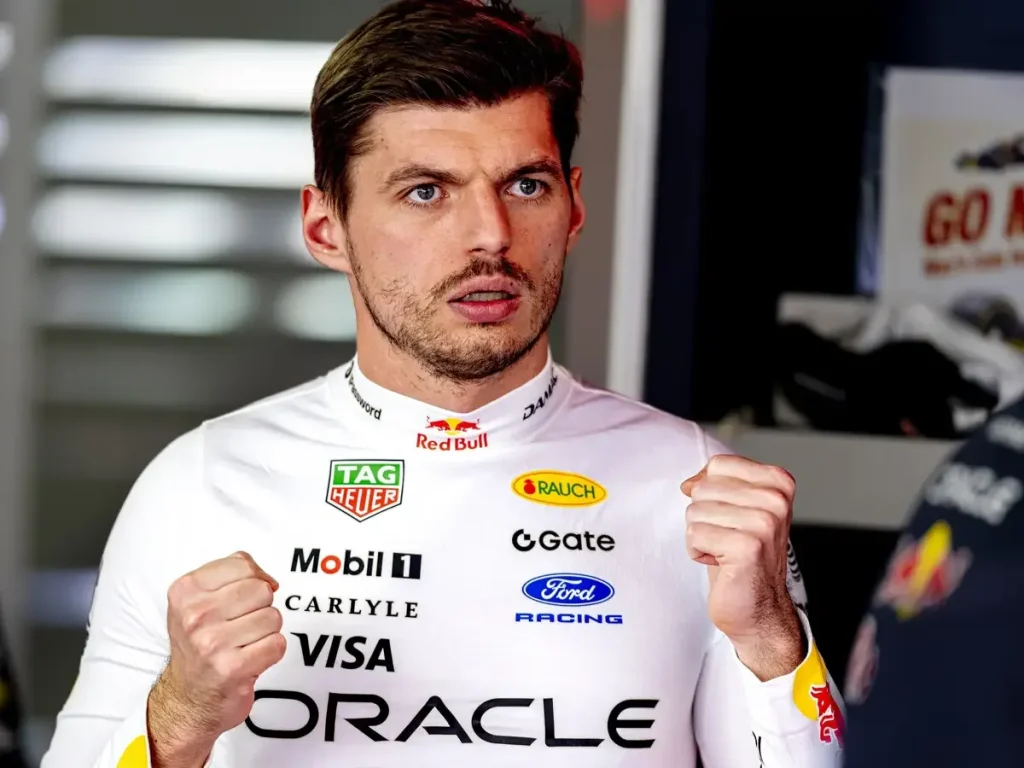
But his body language over the past race weekends spoke volumes: The hints about fading motivation are no bluff, they are real.
“Every day I wake up, I convince myself anew. I try,” he confessed after the Japanese Grand Prix, when our sister portal Motorsport.com asked him how difficult it was to stay motivated in a regulatory period he clearly detests, with an unruly car.
Verstappen fittingly compared his state of mind to one of the new power units: “In the morning it starts off okay, and then it just goes: mehhhh …”
“Is it worth it?” – Verstappen ponders retirement
Shortly afterwards followed the now infamous interview with Jennie Gow from the BBC. When asked if he was seriously considering leaving Formula 1 at the end of this season, he replied tellingly: “I have my thoughts about everything here in the paddock…”
“Privately, I am very happy. But you also wait for 24 races. This time it’s 22, but normally 24. And then you just ask yourself: Is it worth it? Or do I enjoy being at home with my family more? Seeing my friends more often, when you no longer enjoy your sport?”
Verstappen has been a vocal critic of the new technical regulations since his first experiences in the simulator. The fact that he is currently in an inferior car has undoubtedly sharpened his perspective, even if he consistently denies that Red Bull’s current performance deficit is the main reason for his thoughts of retirement.
Already in the middle of last year, he signaled a declining interest in the premier class – only to find his focus again when Red Bull finally understood the car and initiated a real renaissance starting from the Italian Grand Prix. Since major changes to the technical regulations are unlikely in the short term, Red Bull must improve its car as quickly as possible if it doesn’t want to lose Verstappen’s interest for good.
“A fast Max is a happy Max”
“We are focusing fully on the competitive picture,” replied team principal Laurent Mekies when asked by Motorsport.com if he feared Verstappen might lose interest. “That’s exactly what we’re doing. We’re not having any discussions about other aspects.”
Mekies is combative: “We have a lot of work ahead of us. I’m sure: as soon as we give him a fast car that he can push and make a difference with, he will be a much happier Max. That is 100 percent our focus at the moment.”
Regarding the regulations, he added: “As you know, there are good and more difficult aspects. As a sport, we will sit down with the other teams during the break [between Japan and Miami] to see how we can readjust things.”
The problem for Red Bull: They don’t seem to know exactly where the package is failing yet. “It’s the chassis, the drive, it’s everything,” Mekies admitted openly in Japan.
Read more Team principal applies pressure: The FIA must finally act!
Although the team is confident that the power unit developed in-house and in cooperation with Ford falls into the group eligible for changes under the ADUO framework (Additional Development and Opportunities), the timing for the first “window” is still a subject of discussion.
The internal combustion engines are eligible for an upgrade during the season if their “performance index” is two percent below the top value in the field. However, upgrades may only be introduced every six races – and due to the cancellations of the GPs in Bahrain and Saudi Arabia, this threshold has potentially shifted backwards.
No miracle cure expected for Miami
Even if Red Bull receives a performance bonus for the power unit, the dynamic deficits in chassis and aerodynamics must be resolved. Tellingly: this season, the team has not yet managed to completely overhaul the car overnight from free practice to qualifying, as was so often seen last year during Verstappen’s winning streak.
“I am confident that we will use the break to take a proper step forward,” said Mekies. “We need the time for a deep dive into our data. We have to reflect what we see in the data back into the tunnel and the simulator.”
However, he dampens expectations: “Does that mean we’ll come to Miami and have everything solved by a miracle? No. But I am confident that the team will get to the bottom of things and bring improvements as early as Miami. But only the track and the lap time will show us if the direction is right. One should not expect miracles in terms of closing the gap, because the deficit is substantial.”
“Anti-Racing”: Why Verstappen hates the 2026 cars
Another problem that cannot be solved so easily is the characteristic of the 2026 cars, which Verstappen so despises. He is particularly bothered by the fact that the decision-making power over torque delivery is hardly in the driver’s right foot anymore, but is controlled by algorithms.
The system is programmed to start every lap with a full battery. Anyone who pushes too hard in the corners is punished with power withdrawal on the straights. This dependence on machine learning means that drivers have to use the boost when they don’t actually want to – a point that Lando Norris also criticized last weekend.
“I can accept being in seventh or eighth place, where I am right now,” Verstappen told the BBC. “I know you can’t dominate or fight for the podium all the time. I’m realistic about that, I’ve been through that before. I haven’t only won in Formula 1.”
When passion becomes a torment
But the frustration runs deeper: “When you’re driving in P7 or P8 and don’t enjoy the whole formula behind it, it doesn’t feel natural for a racing driver. Of course I try to adapt, but the way you have to race is not nice. It’s literal ‘anti-driving’. And at a certain point, that’s just not what I want to do anymore.”
Verstappen’s philosophy is clear: “For many successful athletes, it all starts with enjoying what you do before you can commit 100 percent. I think I’m giving 100 percent right now and I’m keeping at it, but the way I have to force myself is not very healthy at the moment because I’m not having fun with what I’m doing.”
His final verdict to his critics: “People easily say: ‘Yes, you’ve won so many titles and races, and now you’re just complaining because the car isn’t good.’ Maybe you can see it that way, but I see it differently.”
Read more Surprising verdict from Damon Hill on the Formula 1 rules