
(Motorsport-Total.com) – Williams has started the 2026 Formula 1 season with a significant deficit. The main reason for this is the overweight FW48, which according to current estimates is about 28 kilograms above the prescribed minimum weight of 768 kilograms. This was lowered as part of the new regulation changes compared to the previous year.
Read more Track limit violation: Antonelli loses two positions in the Miami sprint

After three races, the team has only collected two points and currently ranks ninth in the constructors’ standings. Only Cadillac and Aston Martin are behind. To improve the situation, Williams is bringing seven new components to the car for the Miami Grand Prix, with weight reduction being the focus.
Team principal James Vowles makes it clear, however, that progress will take time. Despite completed development work, implementation cannot happen immediately. “Why does it take so long to reduce weight? The engineering work is done, so the designers are no longer fundamentally redesigning,” he explains.
Weight reduction only possible step by step
“You have to ensure that the components are manufactured sensibly,” Vowles continues. “We could save several kilos simply by making parts lighter. But it makes no sense, for example, to just make the same front wing lighter.” Instead, weight reduction must be combined with aerodynamic improvements, also with regard to the budget cap.
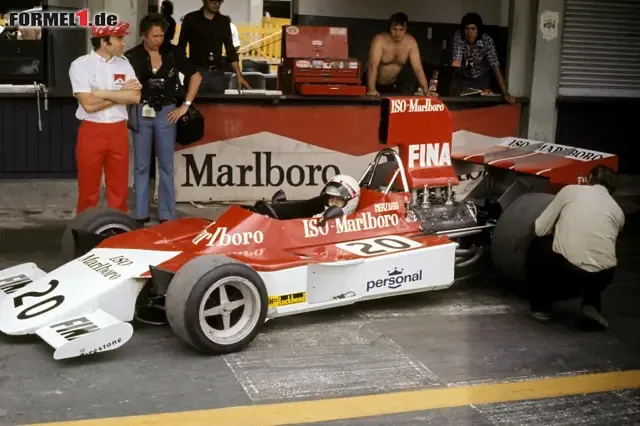
All Williams Formula 1 cars since 1974
“You have to combine it with aerodynamic updates, and that is the most efficient way within the budget cap,” says Vowles. Without these restrictions, a faster reduction would be possible, but in practice various processes have to be considered. “It is painful because you have to balance aerodynamic performance and weight reduction at the same time.”
Driver Carlos Sainz also does not expect short-term improvements. According to Vowles, only “a few kilos” will be saved in Miami. Further steps are to follow gradually over the course of the season.
Read more F1 Sprint in Miami delivers new power dynamics and open questions
Changes and system switch as triggers
The difficult start to the season comes as a surprise to Williams. After a significant performance increase in 2025, the team had already started early preparations for the new regulations. Nevertheless, the winter break was “chaotic” according to Vowles. Williams missed the opening test in Barcelona, which further complicated development.
Vowles cites extensive changes within the team as causes. “We made many changes a few years ago, new systems, new planning processes, and new ways of working,” he explains. “This was the first car where all of this was fully implemented. We made mistakes in the process.”
Especially the complexity of the new car posed challenges for the team. “The car we built is the most complex ever,” says Vowles. Many processes did not run smoothly, leading to delays. Added to this were difficulties with crash tests and limited opportunities to seek external support.
Goal: Return to the front midfield by the end of the season
“Once you fall behind, you get into trouble,” says Vowles. In such situations, weight often becomes a compromise solution to complete parts on time. “When time is tight, weight is often the easiest way to finish a part.”
Williams plans to complete the development of the FW48 by around the end of August. A realistic goal for the season, according to Vowles, is to re-establish themselves at the top of the midfield. Crucial will be how quickly the planned updates on both weight and aerodynamics take effect and translate into consistently better results.
Read more Antonelli «bad in one-on-ones»? Charles Leclerc backtracks